Choosing the right fasteners for aluminum can make all the difference in your project’s strength and durability. If you’ve ever struggled with loose connections or corrosion, you know how frustrating it can be.
But don’t worry—understanding which fasteners work best with aluminum will save you time, money, and headaches. You’ll discover easy-to-follow tips that help you pick the perfect fasteners for your aluminum projects, ensuring everything stays secure and lasts longer. Ready to get it right the first time?
Let’s dive in.
Types Of Fasteners For Aluminum
Choosing the right fasteners for aluminum is important for strong and lasting connections. Aluminum is a soft metal, so the fastener must fit well and avoid damage. Different types of fasteners work best depending on the project and environment.
Fasteners for aluminum should resist corrosion and provide good grip. Some types are better for light tasks, while others suit heavy-duty work. Understanding each fastener helps pick the best match for your aluminum project.
Bolts And Screws
Bolts and screws are common fasteners for aluminum. They create strong, tight joints. Use stainless steel or coated bolts to prevent rust. Self-tapping screws work well for thin aluminum sheets. Choose the right size to avoid cracking or bending.
Rivets
Rivets join aluminum parts permanently. They are simple and quick to install. Blind rivets are popular because they work from one side. Aluminum rivets match the metal and reduce corrosion risks. They hold well under vibrations and stress.
Nuts And Washers
Nuts and washers support bolts and screws. Washers spread the load to protect aluminum surfaces. Nylon or metal washers prevent loosening from movement. Use lock nuts for strong, secure fits. Select sizes that fit your fastener and material thickness.
Clips And Clamps
Clips and clamps are flexible fasteners for aluminum. They hold parts without drilling holes. Useful for temporary or adjustable connections. Plastic or metal clips resist weather and corrosion. Clamps provide strong pressure without damaging aluminum edges.
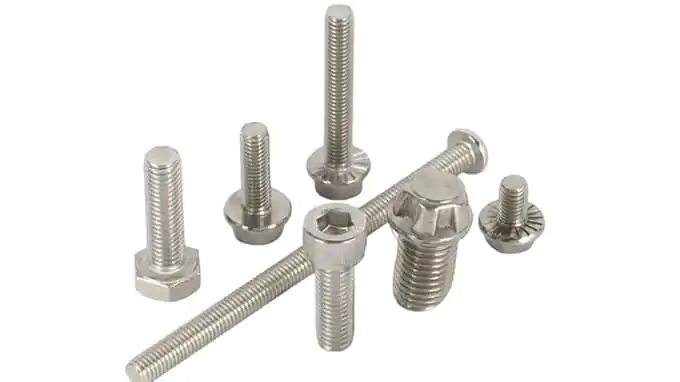
Credit: hrfastener.com
Material Compatibility
Choosing the right fasteners for aluminum is key to ensure strength and durability. Material compatibility affects how well the fastener works with aluminum. It helps prevent damage and extends the life of your project. Different metals react in different ways when combined with aluminum.
Stainless Steel Fasteners
Stainless steel fasteners are a popular choice for aluminum. They offer good strength and resist rust well. These fasteners work best in dry or mildly wet conditions. They do not corrode easily, making them reliable for many uses. Stainless steel fasteners maintain a strong hold over time.
Aluminum Fasteners
Aluminum fasteners match the base material perfectly. They prevent issues like metal wear and corrosion. These fasteners are lightweight and resist rust. Ideal for projects where weight matters. Aluminum fasteners help keep the structure stable and lasting.
Brass And Copper Options
Brass and copper fasteners offer good resistance to corrosion. They are softer than stainless steel but still strong. Use them where electrical conductivity is important. Brass fasteners add a decorative look too. Copper fasteners are good in marine or damp environments.
Avoiding Galvanic Corrosion
Galvanic corrosion happens when two different metals touch in a wet place. It causes one metal to corrode faster. Avoid mixing metals like aluminum with steel without protection. Use coatings or barriers to stop direct contact. Pick fasteners close in the metal group to reduce risk.
Coatings And Treatments
Choosing the right coatings and treatments for fasteners is key to protect aluminum from corrosion. Aluminum reacts with many metals, which can cause rust or damage. Coatings help prevent this by creating a barrier between the fastener and aluminum. They also improve the fastener’s durability and lifespan.
Various coatings suit different environments and uses. Some protect against moisture, while others guard against chemicals or wear. Understanding these options helps select the best fastener for aluminum projects.
Anodized Fasteners
Anodizing adds a protective oxide layer on the fastener’s surface. This layer increases resistance to corrosion and wear. Anodized fasteners match well with aluminum parts, reducing metal reaction. They come in different colors, which helps with visual matching and identification. Anodized coatings are thin but strong, offering long-lasting protection in most conditions.
Zinc Plating
Zinc plating covers fasteners with a thin zinc layer. This layer protects steel fasteners from rust and corrosion. Zinc plating is affordable and common for many uses. It works well in dry and mildly wet environments. The coating also helps fasteners last longer when used with aluminum. However, zinc plating may wear off in very harsh conditions.
Other Protective Coatings
Other coatings include nickel plating, phosphate coatings, and polymer coatings. Nickel plating provides strong corrosion resistance and a shiny finish. Phosphate coatings improve paint adhesion and add some corrosion protection. Polymer coatings create a flexible barrier to keep moisture away. Each coating has unique strengths for different applications. Choosing the right one depends on the environment and project needs.

Credit: marshfasteners.com
Choosing Fasteners For Strength
Choosing the right fasteners for aluminum is key to building strong and lasting joints. Aluminum is lightweight but needs support from fasteners that can handle stress. Fasteners must match the strength needs of your project. This section covers important points to consider for strength.
Load-bearing Considerations
Fasteners must carry the weight and forces on the aluminum parts. Understand the load type: static or dynamic. Static loads stay steady, while dynamic loads change or move. Choose fasteners that can hold the maximum expected load. Use materials that resist corrosion and wear. This keeps joints secure over time.
Shear And Tensile Strength
Shear strength is the fastener’s ability to resist forces that try to slide parts apart. Tensile strength is the force needed to pull the fastener apart. Both strengths matter for aluminum joints. Select fasteners with shear and tensile ratings above the working stress. Strong steel or stainless steel fasteners often suit aluminum well.
Thread Engagement
Thread engagement means how much the fastener’s threads grip the aluminum. Proper thread depth prevents stripping and loosening. Use fasteners with enough length to engage fully in the aluminum or in a nut. Avoid over-tightening, as aluminum threads can strip easily. Match thread size and pitch carefully for a tight fit.
Fastener Installation Tips
Installing fasteners in aluminum requires care and precision. Proper techniques ensure a strong and lasting connection. Poor installation can cause damage or failure. Follow these tips for the best results.
Proper Torque Settings
Use the correct torque for each fastener type. Too little torque can loosen the fastener. Too much torque can strip or damage the aluminum. Always check the manufacturer’s torque specifications. Use a calibrated torque wrench for accuracy.
Use Of Locking Mechanisms
Locking mechanisms help prevent fasteners from loosening. Examples include lock washers, thread lockers, and nylon inserts. These methods secure fasteners under vibration or movement. Choose locking options compatible with aluminum parts.
Avoiding Over-tightening
Over-tightening can crack or deform aluminum surfaces. Stop tightening once resistance increases sharply. Over-tightening reduces the fastener’s grip and lifespan. Use a torque wrench to avoid applying too much force.

Credit: marshfasteners.com
Applications And Use Cases
Fasteners are essential for joining aluminum in many fields. Choosing the right type ensures strength and durability. Different applications need specific fasteners to fit their needs. Understanding where and how to use these fasteners improves the quality of the final product.
Automotive Industry
Aluminum fasteners are common in cars due to their light weight. They help reduce the overall vehicle weight, improving fuel efficiency. Stainless steel and aluminum bolts resist corrosion in harsh environments. These fasteners hold parts like engine components and body panels securely.
Aerospace Components
Aerospace demands high strength and light materials. Aluminum fasteners fit this need perfectly. They hold aircraft parts together while keeping weight low. These fasteners also resist extreme temperatures and pressure changes. Safety is critical, so fasteners must meet strict quality standards.
Construction Projects
Aluminum fasteners are popular in building because they resist rust. They work well in outdoor structures like bridges and roofs. Fasteners like rivets and screws attach aluminum panels firmly. Their durability helps structures last longer under weather stress.
Consumer Electronics
Electronics use aluminum fasteners to keep devices light and strong. They secure parts like screens and casings. Small screws and clips are common to avoid damage. These fasteners also help with heat dissipation, protecting sensitive components.
Frequently Asked Questions
What Types Of Fasteners Work Best With Aluminum?
Stainless steel and aluminum fasteners work best with aluminum. They prevent corrosion and ensure a secure hold. Avoid using carbon steel to reduce galvanic corrosion risks. Choose fasteners designed for metal applications for durability and strength.
Can I Use Stainless Steel Fasteners With Aluminum?
Yes, stainless steel fasteners are ideal for aluminum. They resist corrosion and provide strong, lasting connections. Use fasteners with compatible coatings to prevent galvanic corrosion. Stainless steel fasteners ensure long-term durability in aluminum assemblies.
Why Avoid Carbon Steel Fasteners With Aluminum?
Carbon steel fasteners can cause galvanic corrosion with aluminum. This corrosion weakens joints and damages materials over time. Using stainless steel or aluminum fasteners prevents this issue. Proper fastener selection extends the lifespan of aluminum components.
How To Prevent Corrosion With Aluminum Fasteners?
Use stainless steel or coated fasteners to prevent corrosion. Apply protective coatings like anodizing or plating on aluminum surfaces. Ensure fasteners and aluminum have compatible materials to avoid galvanic reactions. Regular maintenance also helps maintain corrosion resistance.
Conclusion
Choosing the right fasteners keeps aluminum strong and safe. Use stainless steel or aluminum fasteners to prevent rust and damage. Avoid mixing metals that cause corrosion. Consider the environment where aluminum will be used. Proper fasteners improve durability and performance.
Always match fastener type to your project needs. This makes your aluminum work last longer and stay secure. Simple choices lead to better results.


