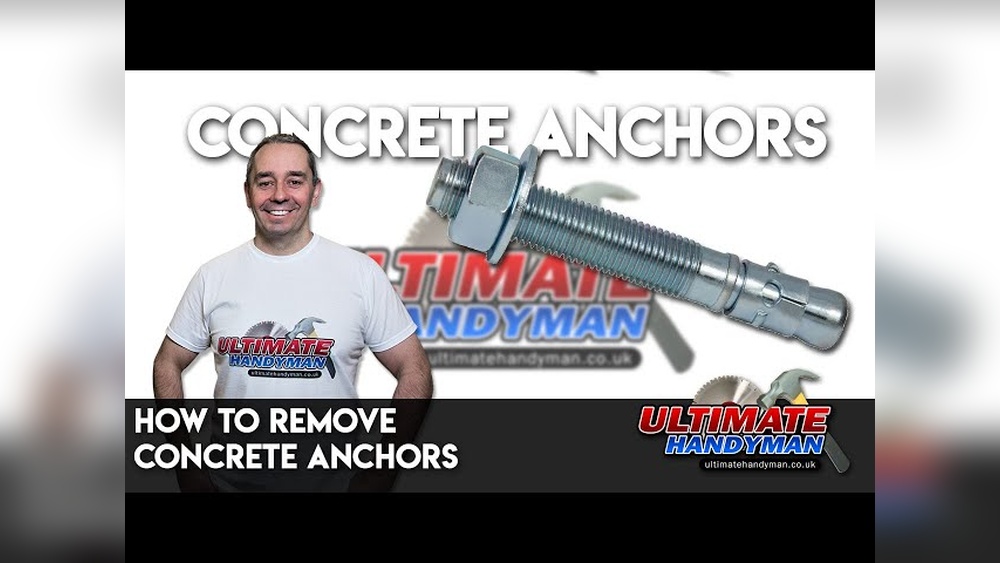
Removing fasteners from concrete can feel like a tough job, especially if you don’t have the right tools or know-how. But what if you could do it quickly and without damaging your surface?
Whether you’re fixing a wall, changing fixtures, or just cleaning up, learning the best way to remove these stubborn fasteners will save you time and frustration. In this guide, you’ll discover simple, effective methods that anyone can use. Keep reading, and you’ll gain the confidence to tackle this task like a pro.
Types Of Concrete Fasteners
Concrete fasteners hold objects firmly to concrete surfaces. Different types suit different jobs. Knowing these types helps in choosing the right removal method. Three common types include mechanical anchors, adhesive anchors, and nails and screws.
Mechanical Anchors
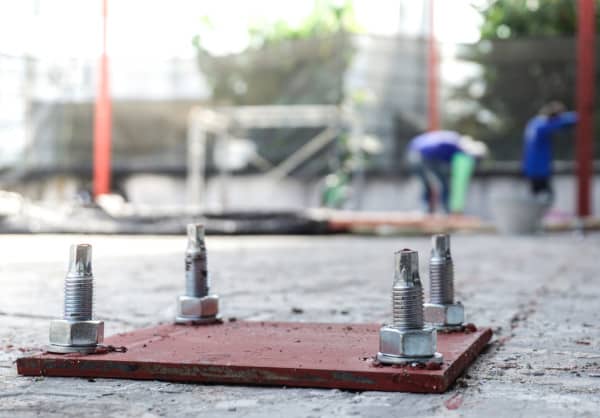
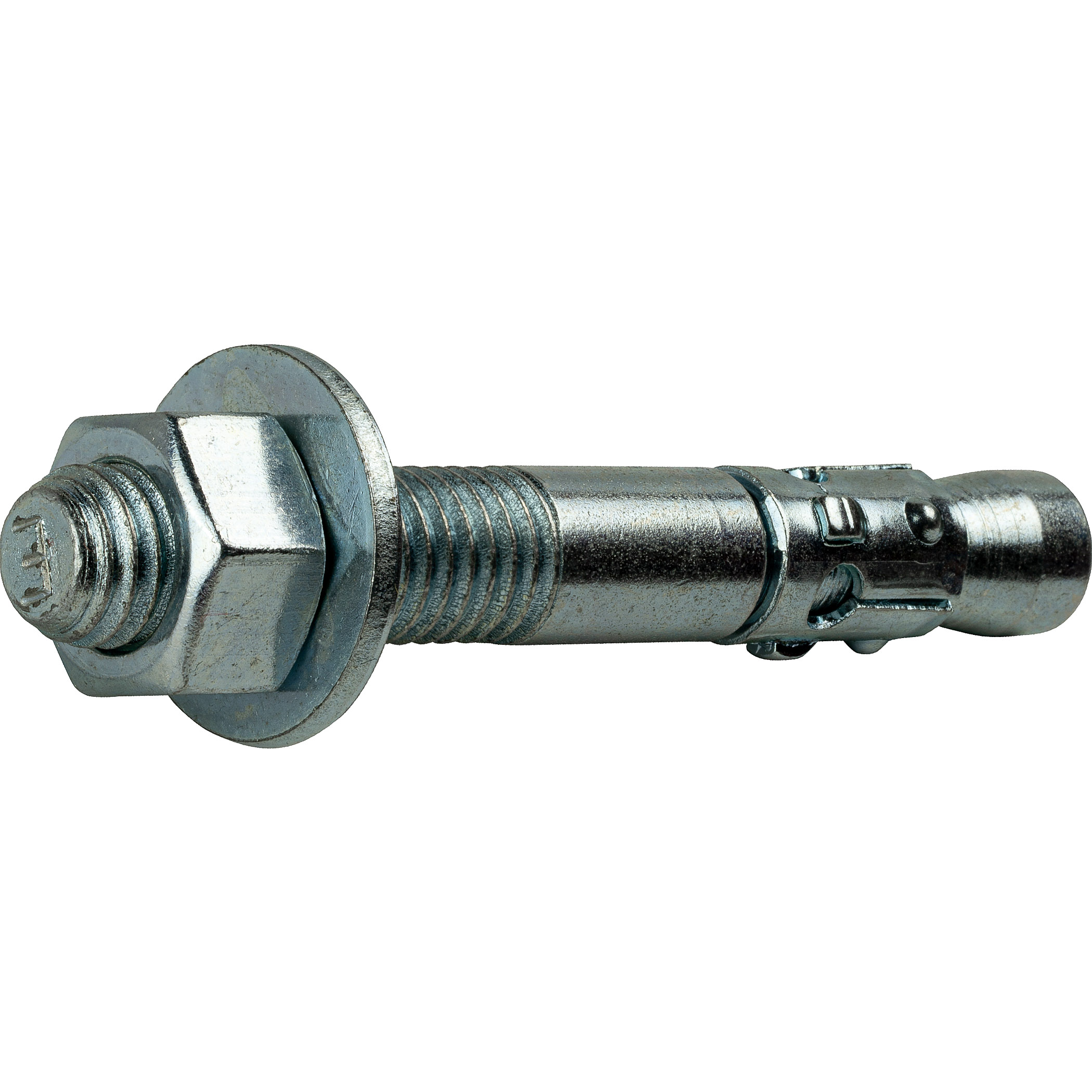
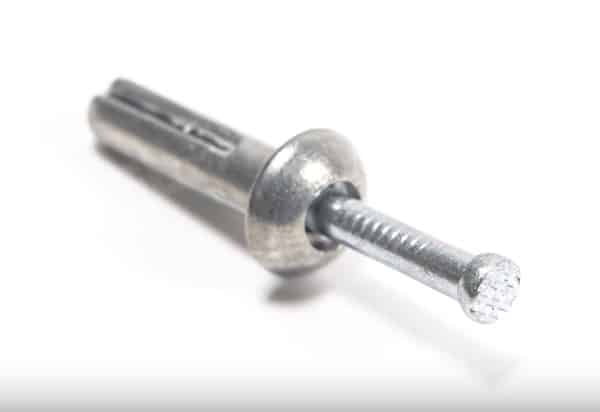
Mechanical anchors use expansion to grip concrete. They expand inside the hole when tightened. This creates a strong hold. Examples include wedge anchors, sleeve anchors, and drop-in anchors. Removing them usually means loosening the bolt or nut. Sometimes, the anchor may need to be drilled out.
Adhesive Anchors
Adhesive anchors use glue or resin to stick in holes. The fastener bonds tightly with the concrete. These anchors provide strong, vibration-resistant hold. Removing them can be tricky. Often, the bonded fastener must be drilled out carefully to avoid damage.
Nails And Screws
Nails and screws are simple fasteners for light jobs. Concrete nails are hammered directly into concrete. Concrete screws have threads designed for concrete. They usually have a special drill bit for installation. Removing nails or screws can be done with a claw hammer or screwdriver. Sometimes, they can be unscrewed or pried out.
Tools Needed For Removal
Removing fasteners from concrete requires the right tools for a smooth job. Using proper tools makes the process faster and safer. The tools needed depend on the type of fastener and the removal method.
This section covers basic hand tools, power tools, and safety gear. Each tool plays an important role in removing fasteners effectively.
Basic Hand Tools
Start with basic hand tools. A hammer helps loosen nails and anchors stuck in concrete. Pry bars are useful for lifting and pulling fasteners out. Wrenches and pliers assist in turning bolts and screws. A chisel can chip away around the fastener for easier removal. These tools are easy to use and often found in any toolbox.
Power Tools
Power tools speed up the removal process. An electric drill with a screwdriver bit removes screws quickly. An angle grinder cuts through stubborn bolts and metal fasteners. Rotary hammers or demolition hammers break concrete around embedded fasteners. Use power tools carefully to avoid damage to the surface and fasteners.
Safety Gear
Safety gear protects you during removal. Wear safety goggles to shield eyes from flying debris. Gloves protect hands from sharp edges and rough surfaces. Ear protection reduces noise from power tools. Dust masks prevent inhaling concrete dust. Proper safety gear lowers injury risks on the job.
Removing Mechanical Anchors
Removing mechanical anchors from concrete requires care and the right tools. These anchors hold objects firmly in place. Removing them without damaging the concrete is important. Mechanical anchors include expansion anchors and sleeve anchors. Each type needs a different removal method. This section explains how to remove these anchors safely.
Pulling Out Expansion Anchors
Expansion anchors expand inside the hole to grip tightly. To remove them, first try pulling straight out. Use pliers or a puller tool for better grip. If the anchor does not come out easily, tap it lightly with a hammer. This can loosen the grip inside the hole. Avoid twisting too much to prevent breaking the anchor.
For stubborn anchors, drill around the anchor carefully. This weakens the concrete holding the anchor. After drilling, try pulling again. The anchor should come out more easily. Always wear safety glasses to protect your eyes from debris.
Unscrewing Sleeve Anchors
Sleeve anchors have a nut and a sleeve around a bolt. Start by unscrewing the nut using a wrench. Turn the nut counterclockwise until it is free. After removing the nut, pull the bolt out of the sleeve. The sleeve may stay inside the hole.
To remove the sleeve, tap it gently with a hammer. Use a punch tool if needed to push it deeper. This allows you to fill the hole later for a clean finish. Handle tools carefully to avoid injury or damage to the concrete surface.
Extracting Adhesive Anchors
Extracting adhesive anchors from concrete can be challenging. These fasteners use strong glue to hold firmly in place. Removing them requires patience and the right method to avoid damage. The process involves softening the adhesive and drilling out the remaining residue. This approach helps clear the hole for new fasteners or repairs. Follow these simple steps for safe and effective removal.
Softening Adhesive
Start by softening the adhesive inside the hole. Heat is a good way to loosen the glue. Use a heat gun or a propane torch carefully. Apply heat evenly around the anchor to avoid cracking the concrete. Keep the heat on for several minutes to weaken the bond. Do not overheat as it may damage the concrete. Once softened, the adhesive becomes easier to remove with tools.
Drilling Out Residue
After softening, drill out the leftover adhesive and anchor parts. Use a hammer drill with a masonry bit for best results. Start with a small drill bit to create a pilot hole. Then switch to a larger bit to clean out the space fully. Drill slowly to avoid overheating the bit or damaging the concrete. Remove dust and debris often during drilling. This clears the hole and prepares it for new fasteners or patching.
Handling Nails And Screws
Removing nails and screws from concrete requires care and the right tools. These fasteners often hold materials tightly. Removing them without damage is key. Two common ways to handle nails and screws are using pry bars and pliers or drilling out stripped fasteners. Each method works well in different situations.
Using Pry Bars And Pliers
Pry bars and pliers are simple tools to remove nails and screws. Pry bars help lift nails out by getting under the head. Use steady pressure to avoid breaking the nail.
Pliers grip the fastener firmly. Twist and pull the screw or nail slowly. Pliers work best on smaller nails and screws with exposed heads. Avoid quick jerks that can damage concrete.
Drilling Out Stripped Fasteners
Stripped screws are hard to remove with pliers or pry bars. Drilling is a good option. Use a drill bit slightly smaller than the screw shaft.
Drill into the center of the screw head carefully. This removes the grip. After drilling, the screw can be pulled out easily. Wear safety glasses to protect your eyes during drilling.
Credit: blog.qrfs.com
Preventing Concrete Damage
Removing fasteners from concrete requires care to avoid damage. Concrete can crack or chip easily if handled roughly. Protecting the surface ensures a clean removal and maintains the concrete’s strength. Proper methods save time and prevent costly repairs later.
Protective Techniques
Start by using the right tools for removal. A hammer drill with a masonry bit works well for drilled fasteners. Avoid using excessive force or large tools that may crack the concrete. Place a piece of wood or rubber between the tool and concrete surface. This cushion absorbs impact and protects the area. Work slowly and gently to loosen the fastener without hurting the concrete.
Repairing Surface After Removal
Small holes or cracks can appear after fastener removal. Fill these gaps with a concrete patch or epoxy filler. Clean the area of dust and debris before applying the repair material. Smooth the surface with a trowel for an even finish. Allow the patch to dry completely to regain strength. This step prevents water damage and keeps the concrete strong and stable.
Tips For Efficient Fastener Removal
Removing fasteners from concrete can be tough without the right approach. Using the right tips makes the job easier and faster. Careful planning and the right tools save time and effort.
Here are some practical tips for efficient fastener removal. Follow these steps to avoid damage and get the job done smoothly.
Assessing Fastener Type First
Identify the fastener type before starting. Different fasteners need different tools. Screws, anchors, or bolts each require a unique approach. Check if the fastener is rusted or stuck. This helps you choose the best removal method.
Working Methodically
Work slowly and carefully to avoid damage. Use proper tools like drills or wrenches. Apply steady pressure and avoid rushing. Remove fasteners one at a time to keep control. Clear debris often to see progress clearly.
When To Seek Professional Help
Some fasteners need expert removal tools. If the fastener is deeply embedded or broken, call a professional. Avoid forcing removal to prevent concrete damage. Professionals have experience and special tools for tough jobs.
Credit: www.fastenere.com
Credit: www.gilgharda.com
Frequently Asked Questions
How Do I Remove Concrete Fasteners Safely?
To remove concrete fasteners safely, use proper tools like a hammer drill or wrench. Wear safety gear like goggles and gloves. Follow manufacturer instructions to avoid damaging the concrete or injuring yourself. Work slowly and carefully for best results.
What Tools Are Best For Removing Fasteners From Concrete?
The best tools for removing concrete fasteners are hammer drills, rotary hammers, wrenches, and pliers. Choose the tool based on fastener type and size. Using the right tool ensures efficient removal without damaging the concrete surface.
Can I Reuse Fasteners Removed From Concrete?
Fasteners removed from concrete can sometimes be reused if they are undamaged. Inspect them for wear, rust, or bending. Clean them thoroughly before reuse. However, it’s often safer to replace fasteners to ensure secure and durable installation.
How Do I Prevent Concrete Damage When Removing Fasteners?
Prevent concrete damage by using the correct tools and techniques. Avoid excessive force and use slow, controlled motions. Consider using a lubricant to ease fastener removal. Proper preparation and patience help maintain the concrete’s integrity.
Conclusion
Removing fasteners from concrete takes patience and the right tools. Start by choosing the proper method for your fastener type. Use care to avoid damage to the concrete surface. Taking small steps helps prevent mistakes and injury. With practice, you will get better and faster.
Remember, safety always comes first during any removal task. Keep your workspace clean and organized. This way, the job stays simple and stress-free.