Are your cabinet handles looking dull or outdated? Imagine giving your kitchen or bathroom a fresh, stylish upgrade without spending a fortune or hiring a pro.
You can easily clean and paint your cabinet hardware yourself, transforming the entire look in just a few simple steps. In this guide, you’ll discover how to bring new life to your hardware, making your space feel brand new. Ready to see how easy it can be?
Keep reading, and let’s get started!
Gathering Supplies
Before starting to clean and paint cabinet hardware, gather all necessary supplies. Having the right tools and materials saves time. It also helps you achieve the best finish. Organize everything in one place for easy access.
Tools Needed
Basic tools include a screwdriver to remove hardware. A small container for soaking pieces helps with cleaning. Use a soft brush or old toothbrush for scrubbing. Have a clean cloth or paper towels ready to dry hardware.
Choosing The Right Paint
Use paint made for metal surfaces. Spray paint works well for even coverage. Choose a paint with rust protection for longer durability. Pick a color that matches your cabinet style. Check that the paint dries quickly to avoid smudges.
Cleaning Materials
Use warm water mixed with mild dish soap for cleaning. Avoid harsh chemicals that can damage metal. A vinegar solution helps remove tough grime. Rinse hardware thoroughly and dry completely before painting. Clean surfaces ensure paint sticks better and lasts longer.

Credit: www.youtube.com
Removing Cabinet Hardware
Removing cabinet hardware is the first step in cleaning and painting your cabinets. This task requires care to avoid damage. Taking your time helps keep everything safe and organized. Proper removal makes painting and cleaning easier later on.
Use the right tools to avoid stripping screws or scratching surfaces. Keep all parts together for easy reassembly. A little planning saves frustration and makes your project smooth.
Safety Tips
Wear gloves to protect your hands from sharp edges. Use a screwdriver with a comfortable grip. Work slowly to avoid slipping and hurting yourself. Keep the area well lit to see screws clearly. Avoid using power tools unless you are experienced with them.
Organizing Screws And Pieces
Place screws and hardware pieces in small containers or bags. Label each container with the cabinet door or drawer name. This helps find parts quickly when you reattach hardware. Use a tray or magnetic mat to keep pieces from rolling away. Staying organized saves time and reduces stress later.
Cleaning Hardware
Cleaning cabinet hardware is the first step before painting. Dirt and grease can stop paint from sticking well. Clean hardware looks fresh and helps paint last longer. This process also reveals any damage or rust to fix.
Soaking And Scrubbing
Start by removing the hardware from cabinets. Soak the pieces in warm, soapy water for 15-20 minutes. This softens dirt and old grease. Use a soft brush or cloth to scrub each piece gently. Focus on corners and crevices where dirt hides. Avoid harsh tools that can scratch the surface.
Dealing With Stubborn Grime
Some grime won’t come off with soap and water. Mix equal parts vinegar and water for a natural cleaner. Dip a toothbrush in the mix and scrub the hardware. For metal pieces, use a small amount of baking soda paste. Rub gently to lift tough stains. Rinse well to remove all residues.
Drying Completely
After cleaning, dry each piece fully. Use a soft towel to wipe off moisture. Let hardware air dry for at least an hour. Moisture can cause paint to bubble or peel. Make sure no water stays in small holes or grooves. Only paint hardware that is completely dry.

Credit: www.thriftydecorchick.com
Preparing For Painting
Preparing cabinet hardware for painting takes careful steps. It helps the paint stick better and last longer. Clean, smooth, and primed surfaces give the best results. Follow these simple steps before painting your hardware.
Sanding For Smoothness
Start by sanding the hardware gently. Use fine-grit sandpaper to remove old paint and rough spots. Sanding creates a smooth surface for the new paint. It also helps the paint grip the metal or wood better. Wipe off dust with a clean cloth after sanding.
Priming The Surface
Apply a primer made for your hardware material. Primer blocks rust and helps paint stick well. Use thin, even coats and let each coat dry fully. Priming prevents peeling and increases paint durability. Make sure the primer covers all areas evenly.
Painting Techniques
Painting cabinet hardware can change the look of your kitchen or bathroom. Proper painting techniques help you get smooth, lasting results. Using the right method and patience during the process makes a big difference. This section explains key painting techniques for cabinet hardware.
Choosing Between Brush And Spray
Brush painting works well for small projects and touch-ups. It gives control and precision on detailed parts. Choose a soft-bristle brush to avoid marks. Spray painting covers evenly and quickly. It is best for many pieces or intricate shapes. Use light, even sprays to prevent drips and runs. Both methods can work well depending on your tools and workspace.
Applying Multiple Coats
One coat rarely provides full coverage or durability. Apply several thin coats for a smooth finish. Thin layers dry faster and reduce drips. Avoid thick layers that can peel or crack. Each coat should cover the hardware evenly. Multiple coats build up color and protect the surface better.
Drying Time Between Coats
Allow enough drying time before adding the next coat. This helps paint stick well and cures properly. Follow the paint label instructions for drying times. Usually, 20 to 30 minutes is enough for thin coats. Longer drying prevents smudges and uneven texture. Proper drying leads to a strong and clean finish.
Reinstalling Hardware
Reinstalling cabinet hardware finishes your project. It gives your cabinets a fresh, updated look. Proper reinstallation makes sure handles and knobs fit well and work smoothly. Take your time to align and tighten each piece carefully. This helps avoid damage and keeps your hardware secure.
Aligning Pieces Correctly
Place each handle or knob in its original spot. Match screw holes exactly for a clean fit. Use a level if needed to keep things straight. Check alignment before tightening screws. Misaligned hardware looks uneven and can cause problems later.
Tightening Without Damage
Use a screwdriver that fits screws well. Turn screws slowly and gently to avoid stripping. Tighten just enough to hold hardware firmly. Avoid over-tightening, which can crack wood or damage hardware. Test each piece by pulling lightly to ensure it is secure.
Maintenance Tips
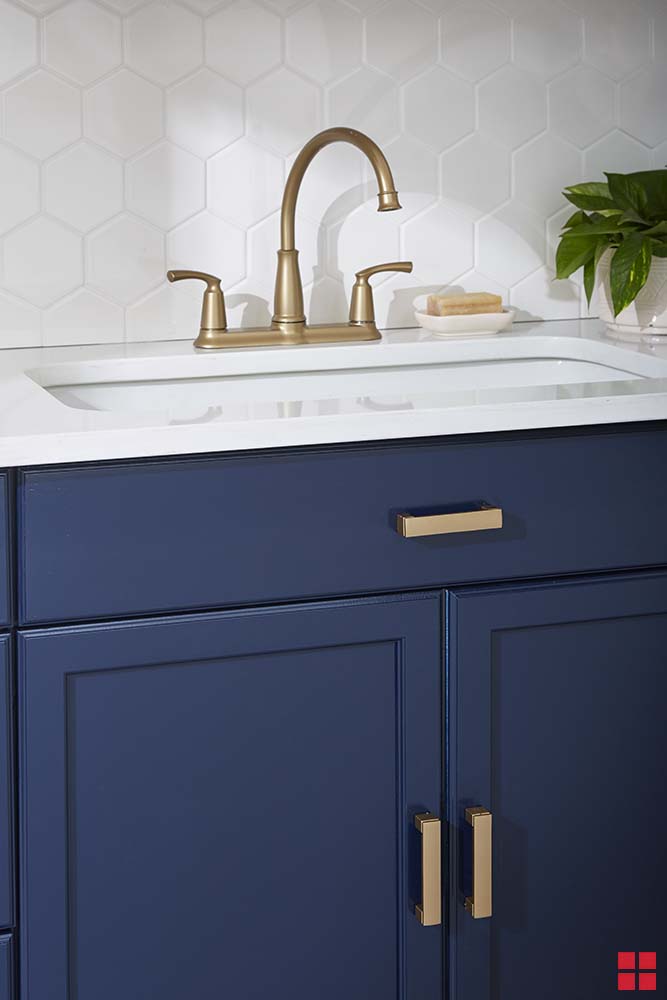
Maintaining cabinet hardware keeps your kitchen or bathroom looking fresh. Regular care helps paint last longer and prevents damage. Simple habits make a big difference. Clean hardware often and fix small paint chips quickly. This stops bigger problems later.
Cleaning Painted Hardware
Use a soft cloth to clean painted hardware. Avoid harsh chemicals that can strip paint. Warm water with mild soap works best. Gently wipe to remove dust and grease. Dry hardware fully to prevent rust. Clean every two weeks for best results.
Touching Up Paint
Small chips or scratches need quick touch-ups. Use matching paint from your original project. Apply with a fine brush for neat edges. Let paint dry completely before using hardware. Keep a small paint supply handy for these fixes. This keeps hardware looking new and neat.
Credit: www.rustoleum.com
Frequently Asked Questions
How Do I Clean Cabinet Hardware Effectively?
Use warm soapy water and a soft cloth to clean hardware. Avoid abrasive cleaners to prevent damage. For stubborn grime, soak hardware in vinegar and water. Dry thoroughly before repainting to ensure paint adheres properly.
What Type Of Paint Is Best For Cabinet Hardware?
Use spray paint designed for metal surfaces. Choose a paint with a durable, smooth finish like enamel or acrylic. Primer is recommended to improve paint adhesion and prevent chipping. Always paint in thin, even coats for best results.
Can I Paint Cabinet Hardware Without Removing It?
It’s best to remove hardware before painting. Removing allows for thorough cleaning and even paint coverage. Painting hardware while attached can cause uneven coats and mess. Take time to label screws and parts for easy reassembly.
How Long Should Cabinet Hardware Dry After Painting?
Allow painted hardware to dry for at least 24 hours. Drying time depends on paint type and humidity. Avoid handling until fully dry to prevent smudges. Proper drying ensures a durable, long-lasting finish.
Conclusion
Cleaning and painting cabinet hardware can refresh any room. Small changes bring big improvements to your space. Take your time to clean thoroughly before painting. Use light coats of paint for smooth results. Let each layer dry well to avoid smudges.
New hardware looks like new and feels great. Enjoy the fresh look without spending much money. Try this easy project to update your cabinets today. Simple steps lead to beautiful results every time.