When you need to choose the right threaded fastener, knowing the exact measurements is key. Without the right size, your project could face serious problems like weak joints or damaged parts.
But what measurements should you focus on? And how do you make sure you’re picking the perfect fastener every time? You’ll learn the essential measurements that matter most for specifying threaded fastener size. By the end, you’ll feel confident selecting the right fastener for your needs, saving time, money, and frustration.
Keep reading to master the details that make all the difference.
Credit: www.mudgefasteners.com
Thread Diameter
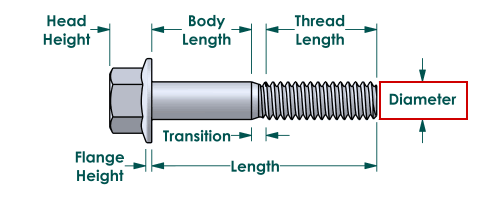
The thread diameter is a key measurement for any threaded fastener. It determines the size of the bolt or screw and how well it fits with a nut or tapped hole. Knowing the thread diameter helps to choose the right fastener for your project. Three main types of diameters define the thread size: major diameter, minor diameter, and pitch diameter.
Major Diameter
The major diameter is the largest diameter of the thread. It measures from the outer edge of one thread to the outer edge of the thread directly opposite. This diameter is often called the “outside diameter.” It is the most common way to describe the size of a bolt or screw.
Minor Diameter
The minor diameter is the smallest diameter of the thread. It measures from the root of one thread to the root directly opposite. This diameter shows the inside width of the thread. It is important for knowing the strength and fit of the fastener.
Pitch Diameter
The pitch diameter lies between the major and minor diameters. It measures the diameter where the thread thickness equals the space between threads. This is the effective diameter for thread engagement. It helps ensure the bolt and nut fit tightly without being too loose or tight.
Thread Pitch
Thread pitch is an important measurement for threaded fasteners. It defines the distance between threads on a screw or bolt. This distance affects how the fastener fits and holds in place. Understanding thread pitch helps ensure the right fastener is chosen for the job. It also affects strength and performance.
Pitch Measurement
Pitch is measured as the distance between two threads. Usually, it is given in millimeters or threads per inch (TPI). For metric fasteners, pitch is the millimeter distance from one thread to the next. For imperial fasteners, pitch is the number of threads per inch. A smaller pitch means more threads per inch, and a larger pitch means fewer threads.
To measure pitch, use a thread gauge or a caliper. Match the tool’s teeth with the fastener threads. This helps find the exact pitch size. Correct pitch measurement ensures proper fit and function.
Coarse Vs Fine Threads
Coarse threads have fewer threads per inch or a larger pitch. They are deeper and stronger. Coarse threads are good for general use and quick assembly. They resist damage from dirt and corrosion better.
Fine threads have more threads per inch or a smaller pitch. They provide better tension and hold. Fine threads are ideal for precise adjustments and thin materials. They also reduce the risk of loosening under vibration.
Thread Length
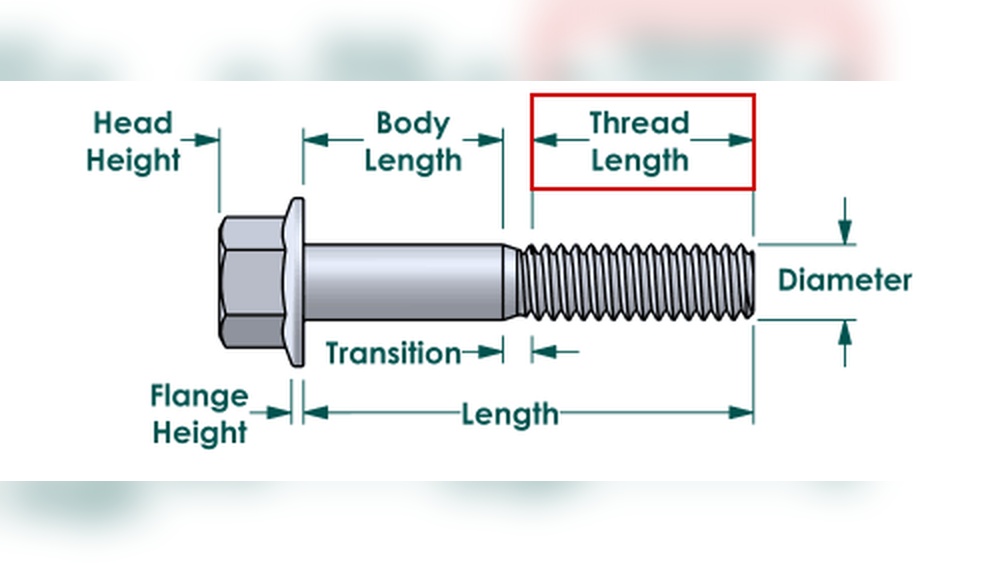
Thread length is a key factor in choosing the right fastener. It determines how much of the fastener will engage with the material. Proper thread length ensures strong and secure connections. It also affects the fastener’s grip and load distribution.
Engagement Length
Engagement length is the part of the thread that actually holds in the material. It must be long enough to prevent the fastener from pulling out. This length depends on the material thickness and type. For soft materials, a longer engagement length is needed. For hard materials, a shorter length may work fine.
Overall Threaded Length
Overall threaded length is the total length of the threaded portion on the fastener. It includes the engagement length and any extra thread that may not engage. This length helps in choosing the right fastener for the application. Too long or too short threaded length can cause problems with fit and function.

Credit: monsterbolts.com
Thread Angle
The thread angle is the angle between the flanks of the thread in a fastener. It shapes how the threads fit together and affects the fastener’s strength. This angle is important to know when specifying thread sizes for bolts, screws, or nuts. Different thread angles suit different uses and materials.
Standard Thread Angles
Most common threads use a 60-degree angle. This includes metric and Unified threads. Some threads, like Acme threads, have a 29-degree angle. Whitworth threads use a 55-degree angle. Each standard fits specific needs and tools. Knowing these helps pick the right fastener.
Effect On Fastener Performance
The thread angle influences how well the fastener holds. A sharper angle can increase strength but may wear faster. A wider angle can reduce wear but may loosen easier. The angle also affects load distribution. Correct thread angle improves durability and safety.
Thread Form
Thread form defines the shape and angle of a screw thread. It affects how tightly a fastener fits and how much load it can hold. Different thread forms suit different applications and materials. Knowing the thread form helps in choosing the right fastener size and type.
Unified Thread Form
The Unified Thread Form is common in the United States and Canada. It uses a 60-degree angle between thread flanks. Threads are symmetrical, with flat crests and roots. This form provides good strength and easy manufacturing. It works well for bolts, screws, and nuts in many industries.
Metric Thread Form
Metric Thread Form is widely used worldwide. It also has a 60-degree thread angle. Thread size is measured in millimeters, making it easy to understand. The pitch is the distance between threads. Metric threads are common in machinery, automotive, and construction.
Special Thread Forms
Special thread forms serve unique purposes. Examples include square, trapezoidal, and buttress threads. Square threads offer high efficiency for power transmission. Trapezoidal threads provide strength and durability. Buttress threads handle heavy loads in one direction. These forms fit specific machines or conditions.
Head Size And Style
The head size and style of a threaded fastener play a key role in its function and fit. The head affects how the fastener sits on surfaces and what tools it needs. Different head styles work better for certain tasks. Knowing the head size helps choose the right fastener for the job.
Common Head Types
Fasteners come with many head styles. The most common are hex, pan, flat, and round heads. Hex heads have six sides and suit wrenches. Pan heads are rounded on top and wide. Flat heads sit flush with the surface after installation. Round heads have a dome shape and are easy to spot.
Each head type fits different uses. Some need more grip, others a smooth finish. Choose the style based on the project’s needs and tools available.
Measuring Head Dimensions
To specify a fastener, measure the head size accurately. Use a caliper or ruler to check the width across flats for hex heads. For round or pan heads, measure the diameter at the widest point.
Also measure the head height from the base to the top. This affects how much the head sticks out. Record these dimensions to ensure the fastener fits properly in your assembly.
Tolerance And Class Fit
Tolerance and class fit are key to choosing the right threaded fastener size. They control how tightly or loosely threads fit together. This ensures the fastener works well and lasts long. Understanding these helps avoid problems like loosening or damage.
Thread Tolerance Grades
Thread tolerance grades show the allowable variation in thread size. They tell how much the thread can be bigger or smaller than the standard. Lower grades mean tighter control and less variation. Higher grades allow more play between threads. Choosing the right grade depends on the application. Precision machines need low tolerance grades. Less critical uses can use higher grades.
Fit Classes For Internal And External Threads
Fit classes describe how internal and external threads match. They range from loose to tight fit. A loose fit allows easy assembly but less strength. A tight fit offers strong connection but needs more force to join. Internal threads are inside nuts or holes. External threads are on bolts or screws. Both must match in class for proper fit. Common classes include clearance, transition, and interference fits. Each suits different uses and load requirements.
Material And Coating Considerations
Choosing the right material and coating is key when specifying threaded fastener size. These factors affect strength, durability, and corrosion resistance. They also influence the actual measurements and fit of the fastener. Understanding material and coating helps select the proper size for your project.
Impact On Size Specifications
Materials expand and contract with temperature changes. This affects the fastener’s length and diameter. Coatings add a thin layer to the fastener’s surface. This layer can change the thread size slightly. Some coatings increase thickness more than others. Designers must consider these changes for a proper fit. Ignoring this can cause loose or tight connections. Accurate size specifications ensure strong and safe assemblies.
Common Materials And Coatings
Steel is the most common fastener material. It offers good strength and is cost-effective. Stainless steel provides corrosion resistance but costs more. Aluminum fasteners are lightweight but softer. Brass fasteners resist corrosion and look attractive.
Coatings protect fasteners from rust and wear. Zinc plating is popular for its corrosion resistance. It adds a thin, protective layer without much size change. Black oxide offers mild corrosion protection and a dark finish. Hot-dip galvanizing provides a thicker coating but can increase thread size. Consider these materials and coatings to pick the right fastener size.

Credit: www.wikihow.com
Frequently Asked Questions
What Measurements Define A Threaded Fastener Size?
Threaded fastener size is defined by diameter, thread pitch, and length. Diameter is the outer thread width. Thread pitch is the distance between threads. Length is the total fastener length excluding the head. These measurements ensure proper fit and function.
How Is Thread Pitch Measured For Fasteners?
Thread pitch is measured as the distance between adjacent thread peaks. It is typically expressed in millimeters for metric fasteners and threads per inch for imperial ones. Accurate pitch measurement guarantees compatibility with mating parts.
Why Is Fastener Length Important In Specifications?
Fastener length affects how deep it penetrates the materials being joined. Specifying the correct length ensures adequate grip without protruding excessively. It also impacts the strength and stability of the assembly.
What Role Does Thread Diameter Play In Fastener Selection?
Thread diameter determines the fastener’s strength and load capacity. Larger diameters provide higher strength but require matching holes and nuts. Correct diameter selection prevents loosening and mechanical failure.
Conclusion
Choosing the right threaded fastener size needs careful measuring. Key measurements include diameter, thread pitch, and length. These details ensure a secure fit and strong hold. Ignoring these can cause loose or damaged connections. Take your time to check each measurement precisely.
This helps avoid costly mistakes and ensures your project works well. Understanding these basics makes selecting fasteners easier and more reliable. Keep these points in mind for better results every time.