When it comes to heavy machinery, choosing the right fastener isn’t just a small detail—it can make or break your entire operation. You need fasteners that can handle extreme pressure, vibration, and tough conditions without failing.
But with so many options out there, how do you know which one is best for your equipment? You’ll discover exactly which fasteners to use to keep your machinery running smoothly and safely. Keep reading, because the right choice could save you time, money, and a lot of headaches down the road.
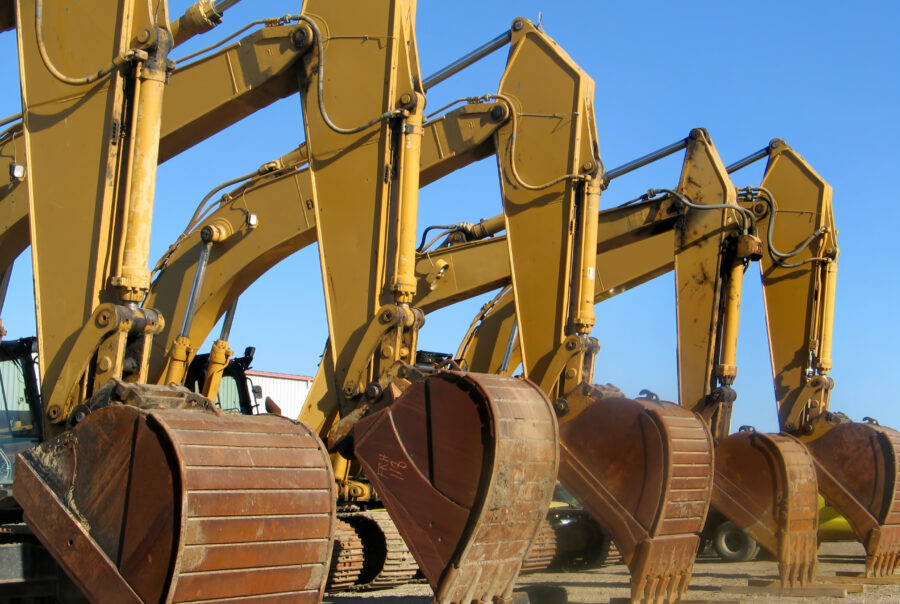
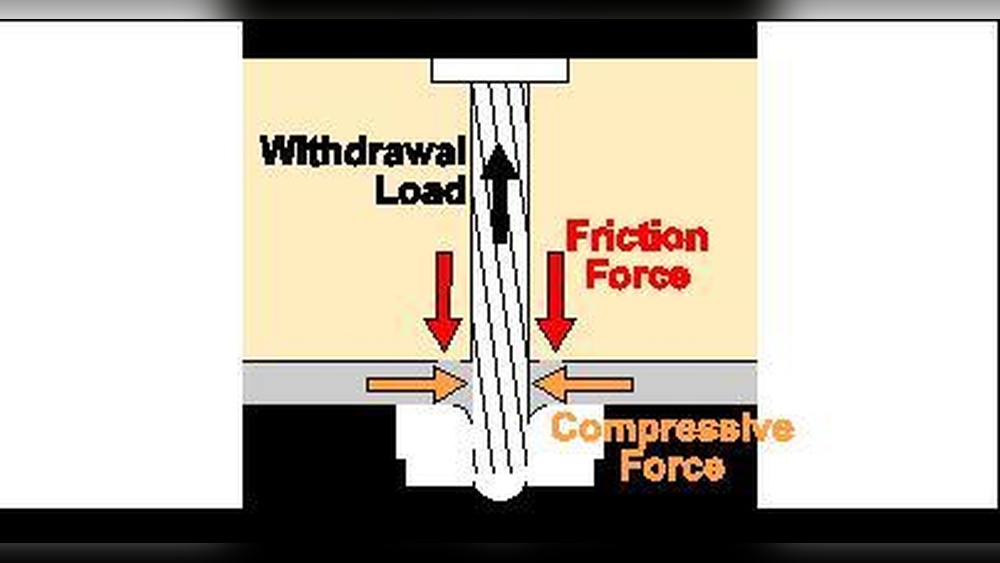
Credit: www.nappco.com
Types Of Fasteners For Heavy Machinery
Heavy machinery needs strong and reliable fasteners. These fasteners hold parts together tightly. Choosing the right type affects safety and machine life. Different fasteners serve various purposes in machinery.
Understanding common fasteners helps in making the right choice. Each type has unique features and uses. Here are the main fasteners used in heavy machinery.
Bolts And Screws
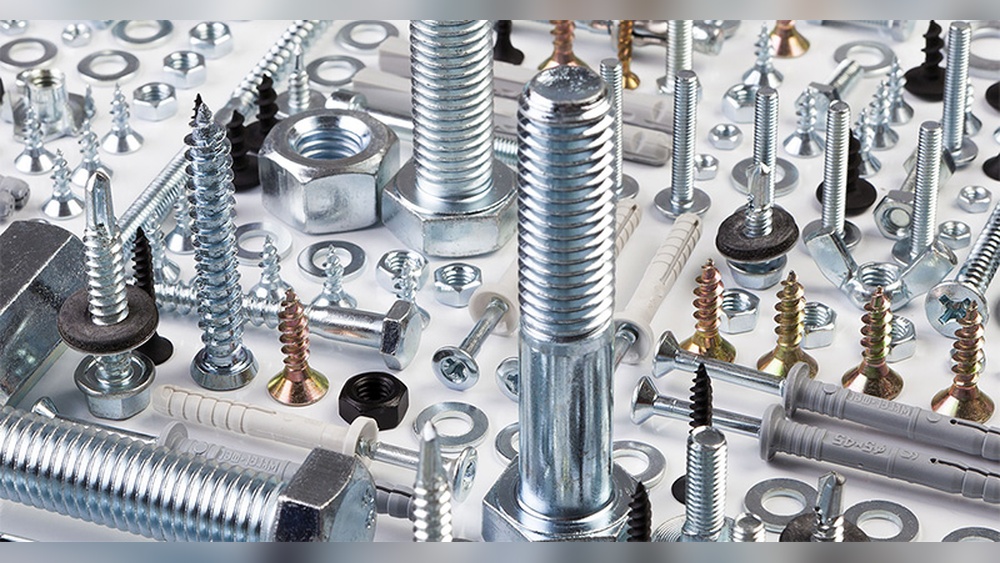
Bolts and screws are the most common fasteners. They join parts by threading into materials or nuts. Bolts usually require nuts for a secure hold. Screws cut their own thread inside the material. Both come in many sizes and shapes. They provide strong, tight connections in heavy machines.
Nuts And Washers
Nuts work with bolts to lock parts firmly. They come in different shapes like hex or square. Washers sit under nuts or bolt heads. They spread pressure evenly and protect surfaces. Washers also prevent loosening from vibration. This pair keeps heavy machinery parts secure.
Pins And Rivets
Pins hold parts together but allow some movement. Common types include cotter pins and clevis pins. Rivets create permanent joints by deforming metal ends. They are strong and resist vibration well. Pins and rivets are vital in connecting moving parts.
Clamps And Clips
Clamps and clips hold parts without threading. Clamps apply pressure to keep parts tight. Clips snap into place for quick assembly. They are easy to remove and replace. These fasteners are useful for flexible or temporary holds.
Materials For Heavy-duty Fasteners
Choosing the right material for heavy-duty fasteners is key in heavy machinery. The material affects strength, durability, and resistance to harsh conditions. Different materials suit different environments and stress levels. Understanding these options helps in selecting fasteners that last and perform well.
Steel Varieties
Steel is the most common material for heavy-duty fasteners. Carbon steel offers good strength and is cost-effective. Alloy steel contains additional elements like chromium or nickel. These make the fasteners stronger and tougher. Steel fasteners can handle heavy loads and resist wear.
Stainless Steel Benefits
Stainless steel fasteners resist rust and corrosion. They work well in wet or humid environments. This type of steel lasts longer without weakening. Stainless steel also looks clean and smooth. It suits machines exposed to chemicals or outdoor conditions.
Alloy Fasteners
Alloy fasteners mix metals for extra strength and durability. They often contain metals like titanium or aluminum. These fasteners are lighter but still very strong. Alloy fasteners resist heat and heavy pressure. They suit machines that face extreme conditions.
Non-metallic Options
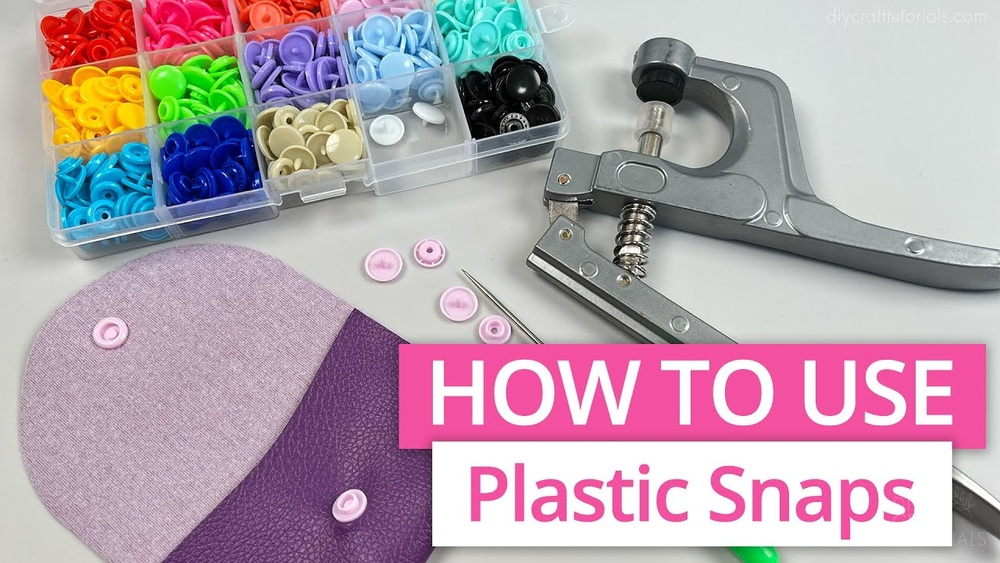
Non-metallic fasteners use materials like plastic or nylon. They resist corrosion and do not conduct electricity. These fasteners are lighter and quieter in use. Non-metallic fasteners fit well in machines needing insulation. They are less strong but useful in specific cases.
Strength And Load Considerations
Choosing the right fastener for heavy machinery depends largely on strength and load factors. These factors ensure the fastener can hold parts together safely under pressure. Understanding different strength properties helps select the best fastener for tough jobs. This section explains key strength and load considerations that affect fastener performance in heavy machinery.
Tensile Strength Ratings
Tensile strength shows how much pulling force a fastener can handle before breaking. It is critical for parts under stretching loads. Fasteners with high tensile strength prevent failures and keep machinery running smoothly. Always check the tensile rating to match the machine’s load requirements.
Shear Strength Factors
Shear strength measures resistance to forces that try to slide one part over another. Fasteners in joints that face sideways pressure need strong shear resistance. Selecting fasteners with appropriate shear strength reduces the risk of slipping or breaking during operation.
Fatigue Resistance
Fatigue resistance is the fastener’s ability to withstand repeated stress cycles. Heavy machinery often causes repeated loads on fasteners. Fasteners with good fatigue resistance last longer and avoid cracks or fractures over time.
Impact And Vibration Effects
Fasteners in heavy machinery face constant impact and vibration. These forces can loosen or damage weak fasteners. Fasteners designed to handle vibration and shock maintain tight connections and improve machine safety and reliability.
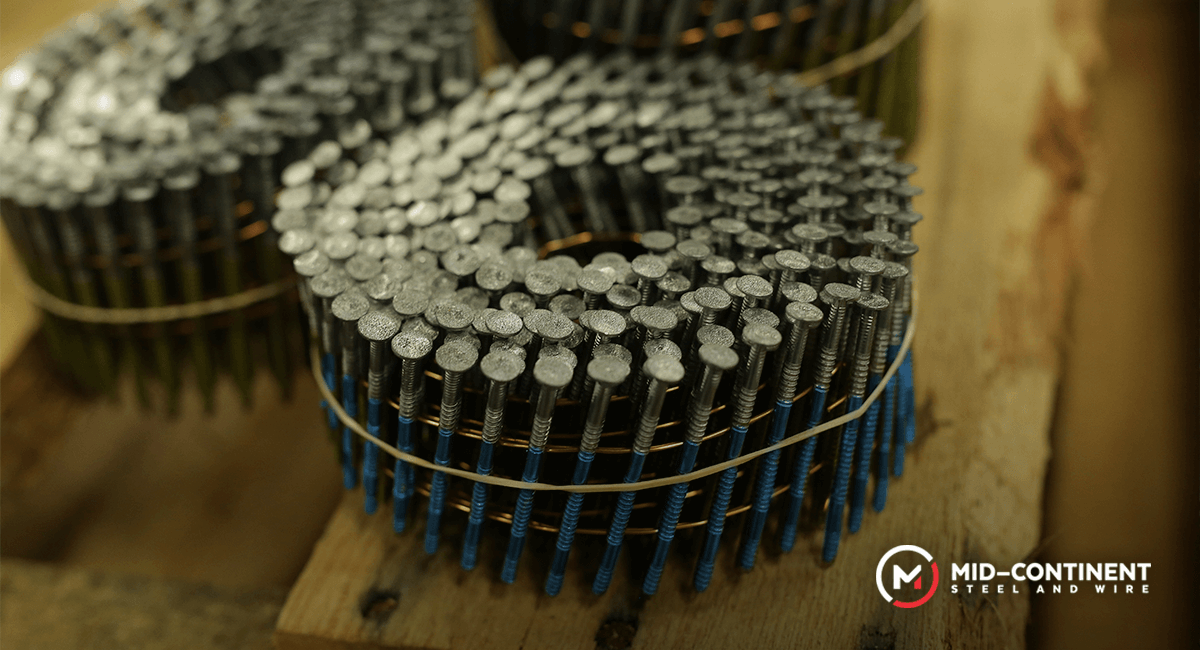
Credit: mcswusa.com
Corrosion Resistance In Harsh Environments
Heavy machinery often works in tough, wet, or salty places. Fasteners in these machines face rust and damage from moisture and chemicals. Choosing the right fastener means thinking about how well it resists corrosion. This helps machines last longer and work safely.
Coatings And Platings
Coatings protect fasteners from water and chemicals. Zinc plating is common and stops rust. Other options include chrome and nickel plating. These layers act like shields against corrosion. They make fasteners stronger in harsh conditions.
Material Selection For Corrosion
Some materials resist rust better than others. Stainless steel is a top choice because it does not corrode easily. Titanium is strong and very corrosion-resistant but costs more. Aluminum fasteners resist rust but may not hold as much weight. Pick materials based on the environment and strength needs.
Environmental Challenges
Saltwater, chemicals, and constant moisture cause the most damage. High temperatures can speed up corrosion too. Dust and dirt can trap moisture around fasteners. Each environment needs a different fastener type for best results.
Maintenance Tips
Check fasteners often for rust or wear. Clean away dirt and moisture to stop corrosion. Tighten any loose fasteners to keep parts secure. Replace damaged fasteners quickly to avoid bigger problems. Regular care helps fasteners last much longer.
Fastener Sizes And Standards
Fastener sizes and standards play a key role in heavy machinery. The right size ensures strong, safe connections. Standards guide the choice and make parts fit well together.
Choosing the correct fastener size and type helps avoid machine failures. It also supports easy maintenance and part replacements.
Metric Vs Imperial
Fasteners come in metric and imperial sizes. Metric sizes use millimeters. Imperial sizes use inches. Machines may require one type or the other. Using the wrong type can cause problems.
Metric fasteners are common worldwide. Imperial fasteners are used mainly in the US. Knowing which system your machine uses is important.
Thread Types And Pitch
Threads hold fasteners in place. Thread types include coarse and fine. Coarse threads are strong and resist damage. Fine threads provide better adjustment.
Pitch means the distance between threads. A smaller pitch means more threads per inch or millimeter. Thread pitch affects how tight a fastener holds.
Industry Standards
Industry standards ensure quality and compatibility. Standards like ISO, ANSI, and DIN set rules for fasteners. They cover size, strength, and thread design.
Following standards helps match fasteners with parts. It keeps machines safe and reliable. Using non-standard fasteners can cause failures.
Choosing The Right Size
Select fastener size based on load and material. Too small fasteners may break under stress. Too large fasteners can damage parts.
Measure hole diameter and depth before choosing. Check machine manuals for recommended sizes. Proper size fasteners ensure strong and safe connections.

Credit: www.amazon.com
Installation Techniques For Durability
Installing fasteners correctly is key to making heavy machinery last longer. Proper techniques reduce wear and prevent failures. This section explains steps to improve fastener durability during installation.
Torque Specifications
Applying the right torque ensures fasteners hold firmly. Too little torque causes loosening. Too much torque can strip threads or break fasteners. Use a calibrated torque wrench for accuracy. Follow manufacturer torque values strictly. Check torque during installation and after some use.
Use Of Locking Mechanisms
Locking mechanisms keep fasteners from coming loose. Common types include lock washers, nylon inserts, and thread-locking fluids. Choose the locking method based on vibration and load conditions. Proper locking prevents costly machine breakdowns.
Proper Alignment
Align parts correctly before tightening fasteners. Misalignment causes uneven stress and fastener failure. Use guides or jigs to maintain alignment. Tighten fasteners in a cross pattern to distribute pressure evenly. Correct alignment boosts machine performance and safety.
Inspection And Re-tightening
Regularly inspect fasteners for looseness or damage. Vibrations and heavy loads can loosen fasteners over time. Re-tighten fasteners following torque specifications. Replace any worn or damaged fasteners immediately. Routine checks extend machine life and prevent accidents.
Common Failures And How To Avoid Them
Fasteners in heavy machinery face many challenges. Common failures can cause costly downtime and safety risks. Knowing these failures helps prevent problems. This section explains common issues and how to avoid them. Follow these tips to keep machinery secure and reliable.
Over-tightening Risks
Over-tightening fasteners can damage threads and parts. Too much force may cause cracks or breaks. It can also warp connected components. Over-tightening leads to fastener fatigue and early failure. Use a torque wrench to apply the right pressure. Follow manufacturer guidelines for torque settings.
Under-tightening Issues
Under-tightened fasteners may loosen during operation. Loose fasteners cause vibrations and misalignment. This increases wear and risks parts falling off. Under-tightening reduces the load capacity of joints. Always check tightness regularly with proper tools. Ensure fasteners meet recommended torque levels.
Material Fatigue Signs
Material fatigue appears as cracks, bends, or rust. Fatigue weakens fasteners and lowers strength. Look for discoloration or unusual wear patterns. Fatigue often happens from repeated stress or poor maintenance. Replace fasteners showing fatigue signs immediately. Use high-quality materials to reduce fatigue risk.
Preventive Measures
Regular inspection is key to catching issues early. Use calibrated tools to tighten fasteners correctly. Train workers on proper fastener installation techniques. Apply anti-corrosion coatings to prevent rust. Record maintenance activities to track fastener health. Choose fasteners suited for the load and environment.
Cost Vs Performance Trade-offs
Choosing the right fastener for heavy machinery means balancing cost and performance. The price of a fastener can affect your budget. But the fastener’s strength and durability impact machine safety and efficiency. Understanding this trade-off helps make smart choices.
Budget-friendly Options
Some fasteners cost less but may not last as long. These are good for machines with low stress or short use times. Basic steel bolts and nuts often fit this need. They save money upfront but might need replacing sooner. Use these where safety risks are low.
High-performance Fasteners
High-performance fasteners resist wear, heat, and heavy loads. They use stronger materials like stainless steel or alloy steel. These fasteners cost more but increase machine reliability. They help avoid breakdowns and reduce maintenance. Best for critical machine parts and high-stress areas.
Long-term Value
Choosing fasteners with longer life can save money over time. Fewer replacements mean less downtime and labor costs. Consider the full lifespan, not just the price tag. Durable fasteners reduce the risk of machine failure. They offer better value despite higher initial cost.
Supplier Selection
Buy fasteners from trusted suppliers only. Quality control and material standards vary widely. A reliable supplier ensures consistent product strength and safety. Check supplier reviews and certifications before purchase. Good suppliers help avoid costly mistakes and delays.
Frequently Asked Questions
What Types Of Fasteners Are Best For Heavy Machinery?
High-strength bolts, nuts, and washers are ideal for heavy machinery. They provide durability, vibration resistance, and secure fastening in harsh conditions.
How To Choose Fasteners For Heavy Machinery Applications?
Select fasteners based on load, material compatibility, and environmental factors. Consider corrosion resistance and mechanical strength for optimal performance.
Why Is Corrosion Resistance Important In Fasteners?
Corrosion resistance prevents rust and degradation. It ensures fasteners maintain strength and reliability in harsh environments, extending machinery lifespan.
Can Stainless Steel Fasteners Be Used In Heavy Machinery?
Yes, stainless steel fasteners offer excellent corrosion resistance and moderate strength. They suit environments requiring durability and resistance to rust.
Conclusion
Choosing the right fastener ensures safety and long machine life. Strong, durable fasteners hold parts firmly under stress. Consider material, size, and load when selecting fasteners. Proper installation matters as much as the fastener type. Using suitable fasteners prevents breakdowns and costly repairs.
Always check fastener quality before use. The right choice keeps heavy machinery working well. Simple steps lead to better machine performance. Trust good fasteners to support your work.