Are you curious about how sheet metal stays firmly in place on buildings? Whether you’re planning a project or just want to understand the secrets behind strong, lasting architecture, knowing how sheet metal is fastened is key.
The right fastening method can make all the difference in durability, safety, and appearance. You’ll discover simple yet powerful techniques that professionals use to secure sheet metal. By the end, you’ll feel confident about the options available and why each method matters for your next build or renovation.
Keep reading to unlock the essential knowledge every builder and DIY enthusiast should know.
Credit: ezgmfg.com
Common Fastening Techniques
Fastening sheet metal in architecture requires strong and reliable methods. Different techniques suit different needs. The choice depends on the project’s design, strength, and durability requirements. Below are the most common fastening methods used in sheet metal work.
Mechanical Fasteners
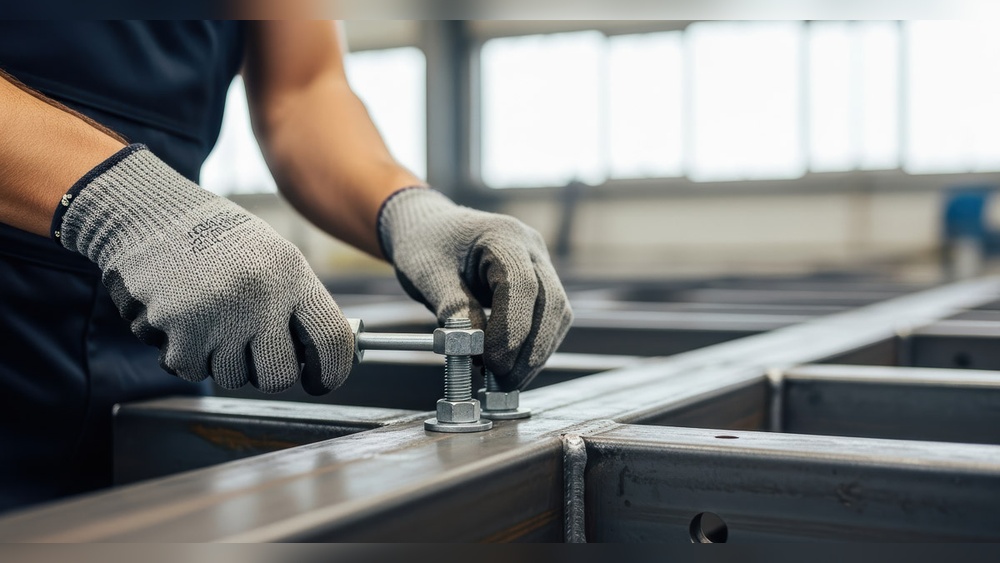
Mechanical fasteners include screws, bolts, rivets, and clips. These fasteners hold metal pieces together tightly. They are easy to install and allow for disassembly. Mechanical fasteners work well for both temporary and permanent connections. They also provide good resistance to vibration and movement.
Welding Methods
Welding joins metal by melting its edges together. This creates a strong, permanent bond. Common welding types include MIG, TIG, and spot welding. Welding is best for high-strength applications. It provides a smooth, continuous joint without extra materials.
Adhesive Bonding
Adhesive bonding uses special glue to stick metal surfaces. It spreads stress evenly across the joint. This method avoids holes or damage to the metal. Adhesives work well with thin or delicate sheets. They also reduce noise and vibration in structures.
Mechanical Fasteners In Detail
Mechanical fasteners hold sheet metal pieces together in architecture. These fasteners provide strong, reliable joints. They allow easy assembly and disassembly. Many types of mechanical fasteners serve different needs. Understanding each type helps choose the right one for your project.
Rivets
Rivets are small metal pins. They join two or more metal sheets tightly. A rivet passes through holes in the sheets. Then, the end is hammered or pressed to hold parts firmly. Rivets create permanent connections. They resist vibration and movement well. Used often in metal roofing and cladding.
Screws And Bolts
Screws and bolts secure sheet metal with threads. Screws cut into the metal, holding tightly. Bolts need a nut on the other side. Both types allow easy removal and re-tightening. Perfect for parts that need maintenance or replacement. They come in many sizes and materials.
Clips And Clamps
Clips and clamps hold sheet metal without drilling holes. They grip edges or surfaces firmly. Clips snap into place quickly. Clamps use pressure to secure sheets together. Useful for temporary or adjustable connections. Often used in panels and decorative elements.
Welding Approaches For Sheet Metal
Welding is a key method to fasten sheet metal in architecture. It joins metal pieces by melting them at the contact point. This creates a strong, lasting bond. Different welding techniques suit different needs and metal types. Each method offers unique benefits for sheet metal work.
Spot Welding
Spot welding joins two metal sheets by applying heat and pressure. The heat comes from electric current passing through the metal. It melts small areas called “spots” to fuse the sheets. This method is fast and common for thin sheets. It leaves small, round weld marks on the surface.
Seam Welding
Seam welding creates a continuous weld along the edges of two sheets. It uses rotating wheels to press and heat the metal. The weld forms a long, sealed seam, often water-tight. This method works well for pipes and tanks. It creates smooth joints with no gaps.
Laser Welding
Laser welding uses a focused laser beam to melt metal edges. It allows precise and deep welds with minimal heat spread. This technique is fast and clean, with little distortion. It suits complex shapes and thin sheets. Laser welding is popular in high-tech architectural metalwork.

Credit: www.pemnet.com
Adhesive Fastening Techniques
Adhesive fastening techniques offer a clean and strong way to join sheet metal in architecture. These techniques use special glues to bond metal pieces without holes or welds. Adhesives spread the load evenly, reducing stress on the metal.
This method allows for smooth surfaces and better design flexibility. It also helps prevent corrosion by sealing the joint. Adhesive fastening suits various metal types and shapes in modern buildings.
Types Of Adhesives
Epoxy adhesives provide very strong bonds for heavy loads. They work well on most metals and cure fast.
Acrylic adhesives are good for quick bonding. They resist weather and heat well.
Polyurethane adhesives offer flexibility and good impact resistance. They suit joints that move slightly.
Silicone adhesives seal gaps and resist water. They help in areas exposed to moisture.
Surface Preparation
Clean the metal surface to remove dirt, oil, and rust. Use a solvent or degreaser for best results.
Lightly roughen the surface with sandpaper or a wire brush. This helps the adhesive stick better.
Dry the surface completely before applying the adhesive. Moisture can weaken the bond strength.
Application Methods
Apply adhesive using a brush, roller, or dispenser gun. Choose the tool based on the joint size.
Spread the adhesive evenly to cover the entire bonding area. Avoid thick or thin spots.
Press the metal pieces firmly together during curing. Hold or clamp them in place if needed.
Follow the adhesive’s curing time and temperature instructions carefully. Proper curing ensures a strong bond.
Choosing The Right Method
Choosing the right method to fasten sheet metal in architecture is key for strong and lasting results. The choice depends on several factors. These include the type of metal, how the structure will be used, and where it will be placed. This section breaks down these important points to help pick the best fastening method.
Material Considerations
Different metals need different fasteners. Aluminum, steel, and copper all behave differently. Some metals are soft and need gentle fastening. Others are hard and require strong fasteners. Consider thickness, corrosion resistance, and metal flexibility. These affect how well the fastener will hold.
Structural Requirements
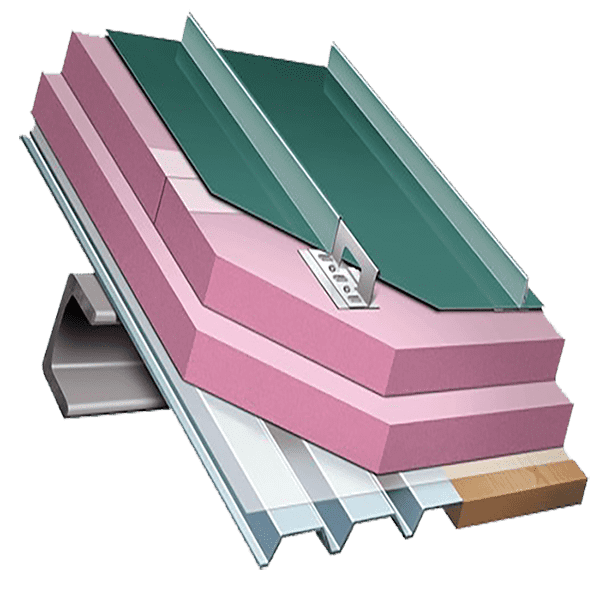
The structure’s purpose matters. Roofs need fasteners that resist wind and rain. Walls might need fasteners that allow some movement. Load-bearing parts require very strong connections. Choose methods that match the weight and stress the metal will face.
Environmental Factors
Weather and location change fastening needs. Coastal areas need fasteners that resist salt and rust. Hot climates may cause metal to expand and contract. Moist areas require corrosion-resistant fasteners. Always match fastening methods to the environment for longer life.
Tools And Equipment
Sheet metal fastening in architecture requires the right tools and equipment. These tools make the process efficient and durable. Using proper equipment ensures strong joints and a clean finish. Each tool serves a specific purpose in assembling metal sheets.
Fastening Tools
Fastening tools include rivet guns, screwdrivers, and nail guns. They help join metal sheets quickly and securely. Rivet guns are common for permanent joints. Screwdrivers attach sheets with screws for easy removal. Nail guns speed up the process with nails or fasteners.
Welding Machines
Welding machines join metal parts by melting edges together. They create strong, lasting bonds. Common types include MIG, TIG, and arc welders. Welding is ideal for heavy-duty structures. It also provides weatherproof and airtight seals.
Adhesive Dispensers
Adhesive dispensers apply glue or sealants to metal surfaces. These adhesives add extra strength and prevent leaks. Dispensers control the amount of adhesive for clean application. They are useful for thin sheets or delicate areas. Adhesives work well alongside mechanical fasteners.
Common Challenges And Solutions
Fastening sheet metal in architecture presents specific challenges. These issues can affect the strength and durability of structures. Understanding common problems helps find effective solutions. This knowledge ensures long-lasting and safe metal connections.
Corrosion Issues
Metal fasteners often face corrosion due to weather exposure. Rust weakens the joints and can cause failure. Using corrosion-resistant materials like stainless steel helps. Protective coatings also prevent rust and extend lifespan. Regular inspections catch early signs of corrosion. Prompt repairs keep structures safe and strong.
Thermal Expansion
Sheet metal expands and contracts with temperature changes. This movement can loosen fasteners or cause gaps. Allowing space for expansion prevents damage. Flexible fasteners or clips accommodate metal movement. Proper design reduces stress on connections. This approach maintains stability in all seasons.
Load Distribution
Uneven load can strain fastened joints and cause failure. Spreading the load evenly prevents stress points. Using multiple fasteners distributes weight across the metal surface. Selecting the right fastener size supports heavy loads. Well-planned load distribution improves overall structure safety.
Credit: www.owenscorning.com
Innovations In Sheet Metal Fastening
Innovations in sheet metal fastening have changed how architects and builders work. New methods make fastening faster, stronger, and more reliable. These advances improve the durability and appearance of metal structures. They also reduce waste and lower costs. These changes impact many areas of construction and design.
Advanced Materials
New materials improve the strength and corrosion resistance of fasteners. Stainless steel and titanium are popular choices. These materials last longer in harsh weather. They prevent rust and damage to metal panels. Lightweight alloys also reduce the overall weight of structures. This helps in easier handling and installation.
Automation In Fastening
Robots and automated tools speed up the fastening process. Machines place screws and rivets with high precision. This reduces human error and increases safety. Automation also allows work to continue in tough conditions. Builders can complete projects faster and with better quality.
Sustainable Practices
Sustainability guides many new fastening techniques. Recyclable fasteners and materials reduce environmental impact. Less waste is produced during installation. Some fasteners are designed for easy removal and reuse. These practices support green building standards and save resources.
Frequently Asked Questions
What Are Common Fasteners For Sheet Metal In Architecture?
Common fasteners include screws, rivets, bolts, and clips. These provide strong, durable connections essential for structural integrity in sheet metal architecture.
How Does Sheet Metal Fastening Affect Building Durability?
Proper fastening ensures stability and prevents loosening. It protects against weather damage, enhancing the building’s lifespan and safety.
Can Sheet Metal Be Fastened Without Welding?
Yes, mechanical fasteners like screws and rivets are popular alternatives. They allow easier installation and maintenance without heat-based methods.
What Tools Are Used For Fastening Sheet Metal?
Tools include drills, rivet guns, screwdrivers, and torque wrenches. These ensure secure and precise fastening in architectural applications.
Conclusion
Sheet metal fastening plays a key role in building strong structures. It holds metal pieces tightly and safely. Different methods suit different needs, like screws, rivets, or welding. Choosing the right fastening improves durability and design. Proper fastening also saves time and cost during construction.
Understanding these basics helps create better architectural projects. Fastening sheet metal well ensures lasting and safe buildings. It’s a simple step with a big impact.