Are your cabinet knobs and pulls looking tired or outdated? Changing your cabinet hardware can transform the whole look of your kitchen or bathroom without spending a lot.
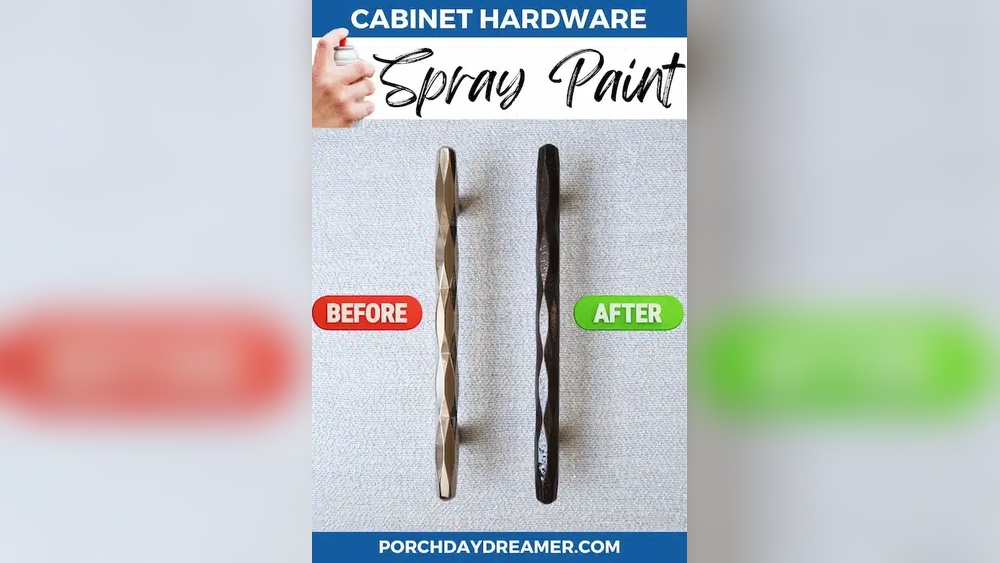
But what if you could give your hardware a fresh, custom look by painting it yourself? You’re about to discover simple steps that make painting cabinet hardware easy, affordable, and surprisingly effective. Keep reading to learn how you can refresh your space with just a little paint and a bit of patience.
Your cabinets will thank you!

Credit: www.youtube.com
Choosing The Right Paint
Choosing the right paint for cabinet hardware is key to a successful update. The paint must stick well and resist wear. It should also match your design style and color preferences. Picking the best paint type and color can make your hardware stand out or blend in. This section explains how to pick the right paint for your project.
Types Of Paint For Hardware
Metal hardware needs paint that grips smooth surfaces tightly. Spray paint made for metal works well. It dries fast and gives an even coat. Oil-based paints are durable and resist scratches. Acrylic paints are easy to clean and come in many colors. Primer helps paint stick better and lasts longer. Choose a primer made for metal before painting.
Color Selection Tips
Think about the room’s style and colors. Light colors brighten small spaces. Dark colors add drama and contrast. Matte finishes hide fingerprints and scratches. Glossy finishes look shiny and modern. Match hardware color with cabinet or wall colors for harmony. Or pick a bold shade to create a focal point. Test paint samples on a small area first. This avoids surprises after painting.
Gathering Supplies
Before painting cabinet hardware, gathering the right supplies is important. Having everything ready helps the process go smoothly. It also ensures a neat and lasting finish.
Start by collecting all the tools and materials you need. This saves time and avoids frustration later. Safety gear is also a must to protect yourself during the project.
Essential Tools
First, you need sandpaper to smooth the hardware surface. Use fine-grit sandpaper for best results. Next, get a clean cloth to wipe off dust and dirt.
Choose a primer made for metal or plastic, depending on your hardware. A good spray paint with a finish you like comes next. Pick paint that resists chipping and wear.
Small brushes help with touch-ups. A container or tray to hold the hardware while painting is useful. Don’t forget painter’s tape to protect areas around the hardware.
Safety Gear
Wear gloves to keep paint off your skin. Use a mask to avoid breathing in fumes. Eye protection is important to shield your eyes from paint splashes.
Work in a well-ventilated area or outside. Good airflow keeps the air clear and helps paint dry faster. Proper safety gear makes painting safer and more comfortable.
Removing Cabinet Hardware
Removing cabinet hardware is the first step to a fresh new look. It makes painting easier and cleaner. Careful removal keeps your cabinets safe and ready for the next step. Take your time and follow simple methods.
Proper Removal Techniques
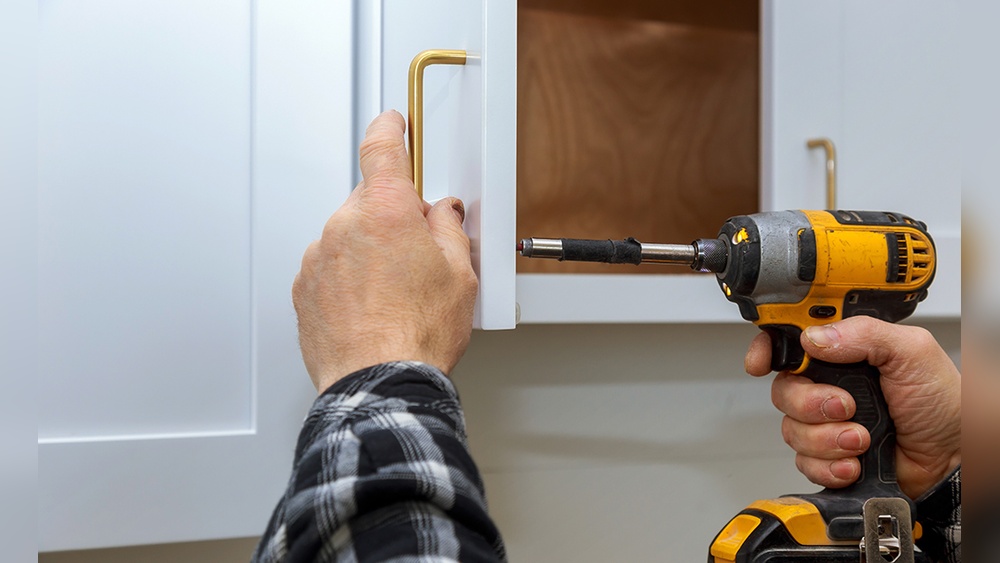
Start by opening the cabinet doors. Use a screwdriver that fits the screws well. Turn screws slowly to avoid stripping them. Pull hardware gently once screws are loose. Avoid forcing pieces off to prevent damage. Use a cloth to protect cabinet surfaces. Handle all parts with care.
Organizing Screws And Pieces
Keep screws and hardware pieces together. Use small containers or bags for each item. Label containers by cabinet or drawer name. This saves time when reattaching hardware. It also prevents losing small parts. Stay organized to make the process smooth.
Cleaning And Preparing Hardware
Cleaning and preparing cabinet hardware is an important step before painting. It helps the paint stick better and last longer. Dirt, grease, and old finishes can stop paint from bonding well. Taking time to clean and sand the hardware makes a smooth surface for painting. This process ensures a neat and durable finish on your cabinet knobs, handles, or pulls.
Removing Dirt And Grease
Start by removing all dirt and grease from the hardware. Use warm water with mild soap to soak the pieces. Scrub gently with a soft brush or cloth. For tough grease, use a small amount of vinegar or rubbing alcohol. Rinse well and dry completely. Clean hardware allows paint to adhere evenly without peeling or chipping.
Sanding For Better Adhesion
Sanding the hardware creates a rough surface for paint to grip. Use fine-grit sandpaper, like 220 grit, to lightly sand each piece. Focus on areas with shiny or smooth finishes. Sand until the surface feels slightly rough but avoid sanding too hard. Wipe away dust with a damp cloth and let dry. Proper sanding improves paint durability and gives a professional look.
Priming The Hardware
Priming the hardware is a key step before painting cabinet handles and knobs. It helps the paint stick well and last longer. Without primer, the paint may peel or chip easily. This step also gives a smooth base for the paint.
Proper priming ensures your cabinet hardware looks fresh and neat for years. It protects the metal from rust and damage. Let’s explore how to choose the right primer and apply it evenly.
Choosing The Right Primer
Select a primer made for metal surfaces. It should resist rust and corrosion. Look for primers labeled “bonding” or “adhesion” primers. These help the paint stick better.
A spray primer often works best for small hardware pieces. It covers well and reaches all edges. Pick a primer that dries fast for quicker painting.
Applying Primer Evenly
Clean the hardware before priming. Remove dirt and oils with soap and water. Dry completely to avoid paint issues.
Spray the primer in thin, even coats. Hold the spray can 6 to 8 inches from the hardware. Move the can side to side steadily.
Apply multiple light coats instead of one thick coat. This avoids drips and uneven surfaces. Let each coat dry before adding the next.
Check for missed spots and cover them carefully. Proper primer coverage ensures a smooth, strong paint finish.
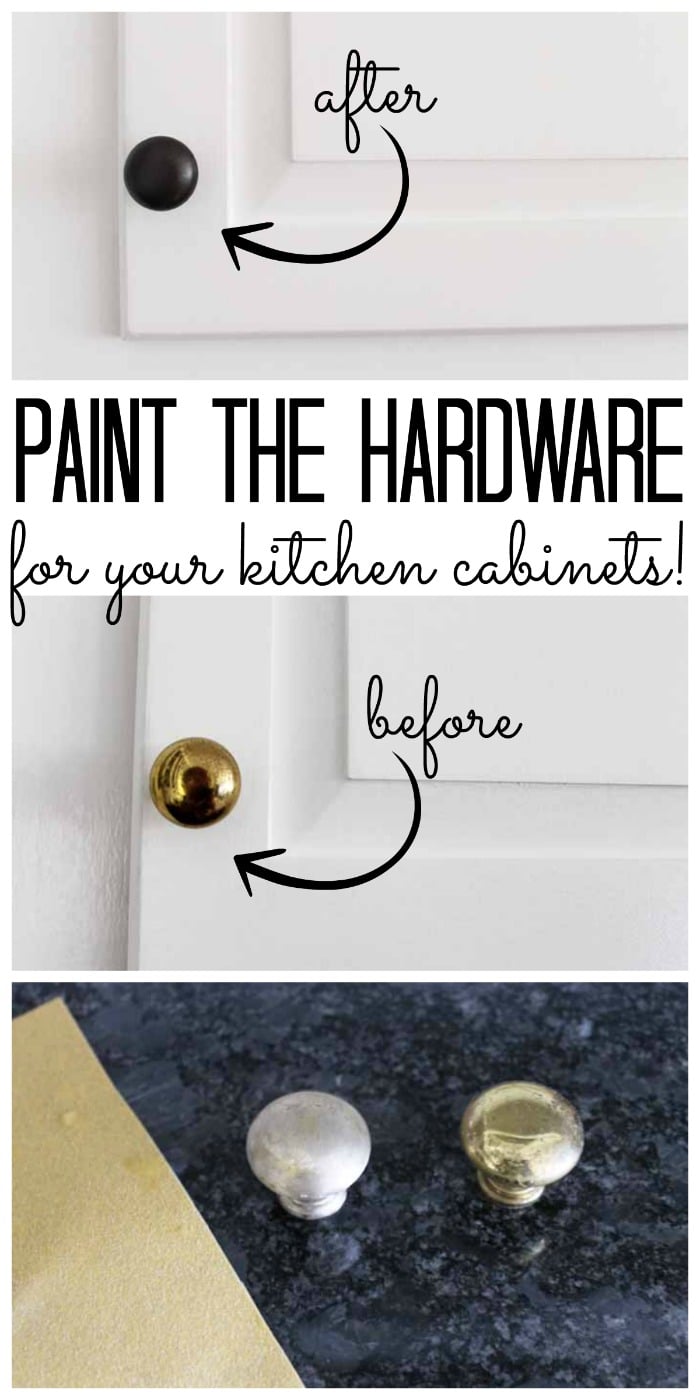
Credit: www.thecountrychiccottage.net
Painting Techniques
Painting cabinet hardware can change the look of your kitchen or bathroom. Using the right painting techniques will help you get smooth and lasting results. It is important to choose the method that fits your tools and skill level. This way, the hardware looks professional and lasts longer.
Below are two key painting techniques that help you achieve a great finish: brush painting and spray painting. Also, applying multiple coats is crucial for durability and color depth.
Brush Vs. Spray Paint
Brush painting is simple and needs only a small brush. It works well for detailed hardware with grooves. Brush painting allows more control, but the finish may show brush marks.
Spray painting gives a smooth and even surface. It covers all edges and small areas quickly. Spray paint dries faster but needs a well-ventilated space and some practice. Choose spray paint for a sleek, modern look.
Applying Multiple Coats
One coat of paint is not enough for cabinet hardware. Multiple thin coats create a strong and even layer. Let each coat dry fully before adding the next one. This reduces drips and uneven color.
Lightly sanding between coats helps the paint stick better. It also removes any rough spots. Two to three coats usually give the best result. Patience here pays off with a smooth, durable finish.
Drying And Curing
Drying and curing are important steps in painting cabinet hardware. These steps help the paint stick well and last longer. Proper drying stops smudges and keeps the finish smooth. Curing makes the paint strong and ready for use.
Optimal Drying Times
Wait at least one hour for the first coat to dry. Thin coats dry faster and look better. After the final coat, let the hardware dry for 24 hours. This helps the paint harden properly. Check the paint feels dry to touch before handling.
Avoiding Smudges And Runs
Handle the hardware carefully to avoid smudging the paint. Hold pieces by unpainted areas when possible. Paint in thin layers to prevent runs and drips. Use a clean, dust-free space for drying. Avoid stacking pieces until fully dry to keep surfaces smooth.
Reinstalling Hardware
Reinstalling cabinet hardware is the last step after painting. This step is important to make sure your cabinets look neat and work well. Taking care during reattachment helps keep the hardware safe and your cabinets strong.
Checking For Damage
Look carefully at the hardware before putting it back. Check for scratches, dents, or paint chips. Make sure screws are not bent or broken. Damaged parts can cause problems later. Fix or replace any hardware that looks worn out.
Proper Reattachment Tips
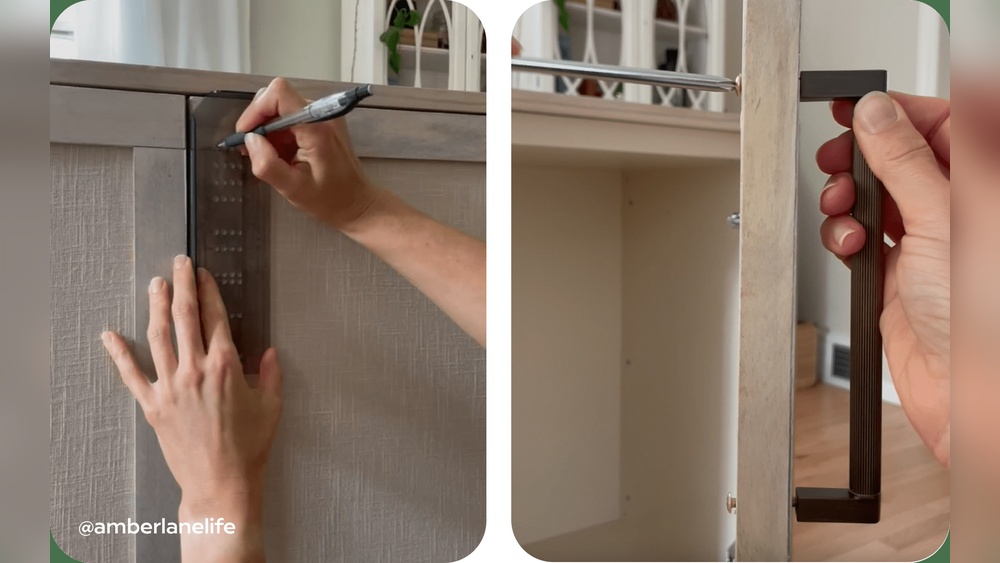
Start by cleaning the area where the hardware goes. Remove dust or paint flakes. Use the original screws if they are still in good shape. Tighten screws gently to avoid cracking the paint. Align handles or knobs properly before securing them. Test the hardware to see if it moves smoothly. Adjust if needed for a perfect fit.
Maintenance Tips
Keeping your painted cabinet hardware looking fresh needs some care. Proper maintenance helps the paint last longer. It also keeps your kitchen or bathroom looking neat and tidy. Simple habits can protect your hardware from damage and wear.
Cleaning Painted Hardware
Use a soft cloth to clean the hardware gently. Avoid abrasive cleaners or scrubbers that can scratch the paint. Mild soap mixed with water works well for most dirt and grease. Wipe the hardware carefully and dry it right after. This prevents water spots and keeps the paint intact.
Touch-up Advice
Small chips or scratches can happen over time. Keep some leftover paint for quick fixes. Lightly sand the damaged area before applying paint. Use a small brush for precise touch-ups. Let the paint dry fully before using the hardware again. Regular touch-ups keep your hardware looking new longer.
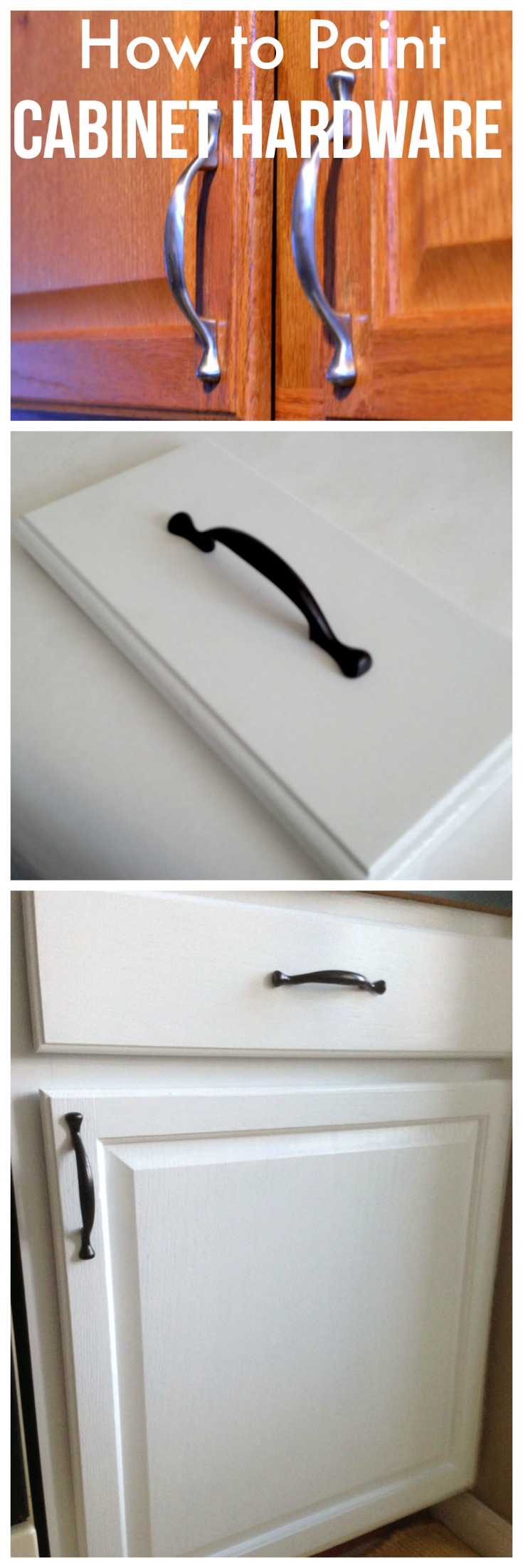
Credit: createandbabble.com
Frequently Asked Questions
How Do You Prepare Cabinet Hardware For Painting?
Clean the hardware thoroughly to remove dirt and grease. Sand lightly to create a rough surface for paint adhesion. Use a primer designed for metal surfaces before applying paint for best results.
What Type Of Paint Is Best For Cabinet Hardware?
Use spray paint formulated for metal, such as enamel or acrylic spray paint. These paints offer durability and a smooth finish. Avoid using regular wall paint as it may chip easily on hardware.
How Long Should Painted Cabinet Hardware Dry?
Allow painted hardware to dry for at least 24 hours. For full curing and durability, wait up to 48 hours before reattaching. Drying time depends on paint type and environmental conditions.
Can I Paint Cabinet Hardware Without Removing It?
It is best to remove hardware before painting for even coverage. Painting hardware in place risks uneven paint and overspray on cabinets. Removing hardware ensures a cleaner, professional-looking finish.
Conclusion
Painting cabinet hardware can refresh any room quickly. Choose the right paint and tools for best results. Clean and sand the hardware before starting. Apply thin, even coats to avoid drips. Let each layer dry completely for a smooth finish.
Take your time and work carefully. Small changes make a big difference in your space. Enjoy the new look of your cabinets. Try this simple project to update your home easily.