Are you struggling to find the right wall anchors for your next project? Whether you want to hang a heavy picture frame or install a shelf, choosing the right wall anchor is key to keeping everything secure.
But where do you get reliable wall anchors that fit your needs? You’ll discover simple ways to get the perfect wall anchors quickly and easily. Keep reading, and you’ll be ready to tackle your home projects with confidence.
Credit: theturquoisehome.com
Choosing The Right Wall Anchors
Choosing the right wall anchors is important for secure and safe mounting. The right anchor depends on the wall type and the weight of the item. Using the wrong anchor can cause damage or make the mounting fail. This guide helps you pick the best anchor for your needs.
Types Of Wall Anchors
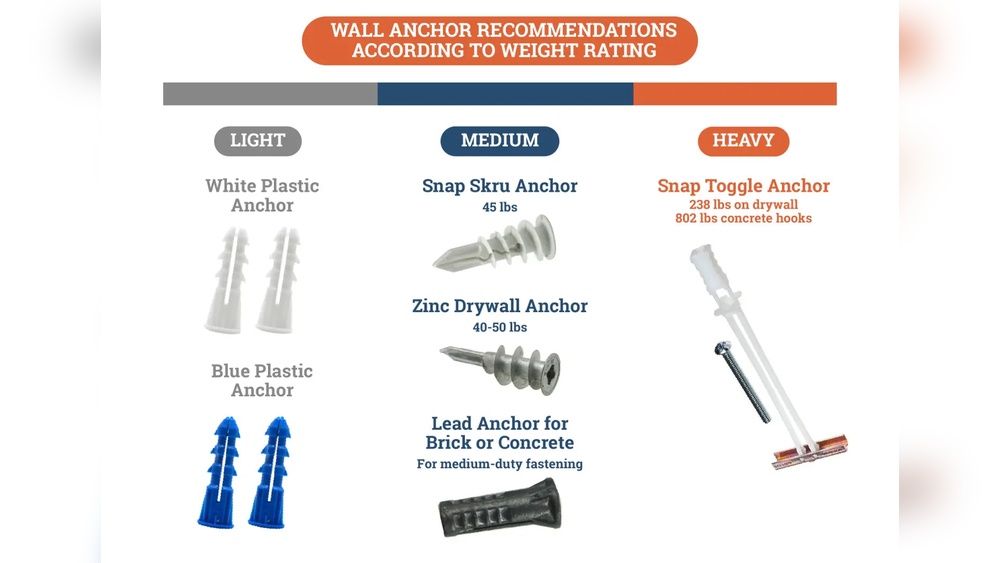
There are several types of wall anchors. Plastic expansion anchors are common for light loads. They expand when a screw is inserted, gripping the wall. Toggle bolts have wings that open behind the wall for strong support. Molly bolts offer medium strength and work well in drywall. Screw anchors are simple and good for light items. Choose the type based on the wall and load.
Matching Anchors To Wall Material
Different walls need different anchors. Drywall anchors work well in hollow walls. For concrete or brick, use masonry anchors. Plaster walls require anchors that spread the load to avoid cracks. Wood walls often need just screws or lag bolts. Check your wall type before selecting the anchor. This match ensures a strong hold.
Weight Capacity Considerations
Every anchor has a weight limit. Know how heavy your item is before choosing. Light anchors hold small pictures or decorations. Heavy anchors support shelves or large mirrors. Always pick an anchor with a higher weight rating than your item. This prevents accidents and damage.

Credit: www.wikihow.com
Gathering Necessary Tools
Gathering the right tools is the first step to installing wall anchors properly. Having the correct equipment makes the job easier and safer. It helps to prepare everything before starting. This section covers the key tools you need for the task.
Drill And Drill Bits
A drill is essential for making holes in the wall. Choose a drill with variable speed settings for better control. Drill bits must match the size of the wall anchor. Using the correct bit prevents damage to the wall. Sharp drill bits make clean holes, which help anchors fit tightly.
Screwdriver Options
Select a screwdriver that fits the screw head well. A good fit avoids stripping the screw. Manual or electric screwdrivers both work. Electric screwdrivers save time and effort. Keep both types ready to handle different screws.
Measuring And Marking Tools
Accurate measuring ensures correct anchor placement. Use a tape measure or ruler for precision. Mark the spots lightly with a pencil. A level tool helps keep anchors straight. Proper marking prevents mistakes and wasted effort.
Preparing The Wall Surface
Preparing the wall surface is an important step before installing wall anchors. It ensures a strong hold and prevents damage to your walls. Follow these simple steps to get your wall ready.
Locating Studs And Avoiding Hazards
Start by finding the wall studs using a stud finder. Studs provide extra support for heavy items. Avoid drilling into electrical wires or pipes by scanning carefully. Mark safe spots for your anchors to prevent accidents.
Marking Anchor Positions
Use a pencil to mark where each wall anchor will go. Measure the distance between marks to keep them even. Clear markings help you drill holes precisely and avoid mistakes.
Cleaning The Area
Remove dust and dirt from the wall surface with a dry cloth. Clean walls help anchors stick better and hold firmly. Ensure the area is dry before starting the installation.
Credit: theturquoisehome.com
Installing Wall Anchors
Installing wall anchors is a simple way to hang heavy items safely on your walls. Wall anchors hold screws tightly in drywall or plaster. They stop screws from pulling out or damaging the wall. Follow these steps to install wall anchors properly for a secure hold.
Drilling Pilot Holes
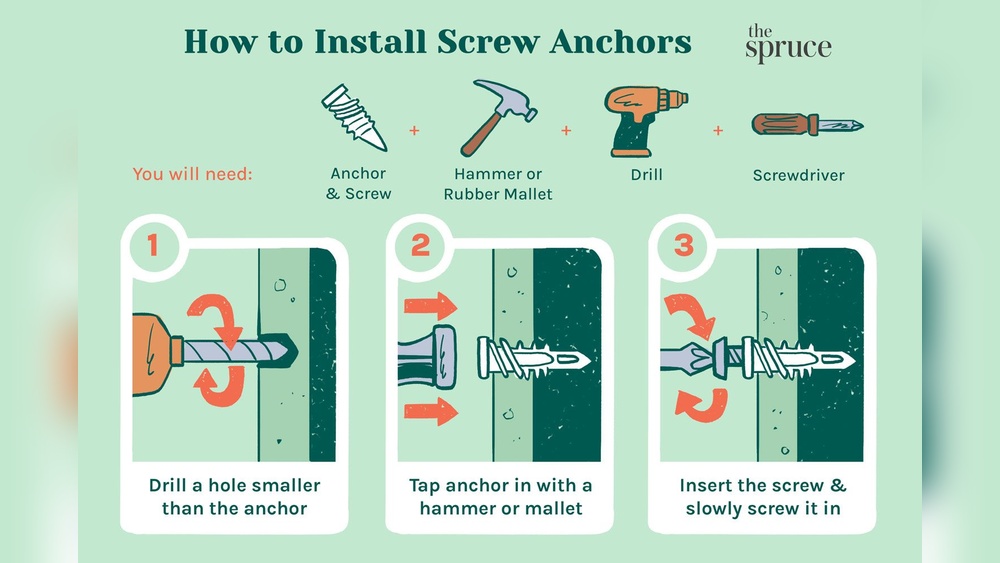
Start by marking the spot where you want to place the anchor. Use a drill bit that matches the anchor size. Drill a small pilot hole straight into the wall. Drill slowly to avoid cracking the drywall. The hole should be clean and the right size for the anchor.
Inserting Anchors Correctly
Push the wall anchor into the pilot hole. Tap it gently with a hammer if needed. The anchor should fit snugly and sit flush with the wall surface. Avoid forcing the anchor too deep or leaving it loose. A proper fit is key for strong support.
Securing With Screws
Insert the screw into the anchor carefully. Turn the screw slowly using a screwdriver. Tighten until the screw feels secure but do not over-tighten. Over-tightening can damage the anchor or wall. The screw should hold firmly without wobbling.
Testing And Using Anchors Safely
Testing and using wall anchors safely is important for strong, secure mounting. Anchors hold heavy objects on walls. Poor installation can cause damage or accidents. Always check anchors before hanging items. Use them correctly to avoid problems later.
Checking Anchor Stability
After installing an anchor, test its hold by gently pulling. It should feel firm and not move. If it wiggles or slides, remove it and try a different anchor. Use the right anchor type for your wall material. Drywall, plaster, and brick need different anchors. Check the package instructions carefully.
Distributing Weight Evenly
Spread the weight across multiple anchors for heavy items. Use several anchors spaced evenly to avoid pressure on one spot. This reduces the risk of wall damage. Use a level to keep objects straight and balanced. Proper weight distribution keeps anchors secure longer.
Maintenance Tips For Longevity
Check anchors regularly for signs of wear or loosening. Tighten screws if they feel loose. Avoid hanging heavier items than the anchor’s limit. Replace anchors that show cracks or damage. Keep the wall area dry to prevent weakening anchors. Proper care extends the life of your anchors and your wall’s safety.
Frequently Asked Questions
What Are The Best Places To Buy Wall Anchors?
You can buy wall anchors at hardware stores, home improvement centers, and online retailers. Popular options include Home Depot, Lowe’s, Amazon, and Walmart. Always check product reviews and specifications to ensure you get the right type for your wall material.
How Do I Choose The Right Wall Anchor Size?
Select a wall anchor size based on the weight of the item and wall type. Use heavier-duty anchors for heavy objects and lighter ones for small decorations. Always follow the manufacturer’s load capacity guidelines for safety and stability.
Can I Install Wall Anchors Without Special Tools?
Most wall anchors require basic tools like a drill, screwdriver, or hammer. Some anchors are designed for easy hand installation without power tools. However, using the right tools ensures a secure fit and prevents damage to the wall.
Are Wall Anchors Reusable After Removal?
Wall anchors are generally not reusable once removed. Removing them often damages the anchor or wall, reducing holding strength. It’s best to use new anchors for each installation to maintain safety and stability.
Conclusion
Finding wall anchors nearby is simple with the right steps. Check local hardware stores or large home improvement centers first. Online shops also offer many options with quick delivery. Choose anchors that fit your wall type and weight needs. Keep these tips in mind to get the best anchors easily.
Now, hanging items on your walls feels safer and more secure.