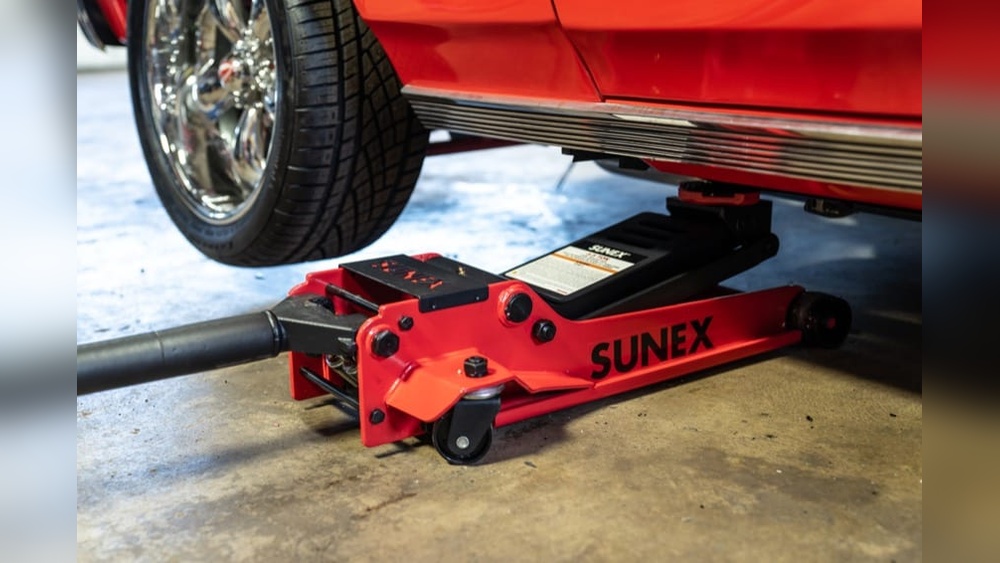
If you own a Craftsman floor jack, you know how important it is to keep it in top shape. But what do you do when the hydraulic fluid runs low?
Refilling your floor jack might seem tricky, but it’s easier than you think. In this guide, you’ll learn step-by-step how to refill your Craftsman floor jack quickly and safely. Keep reading to make sure your jack stays reliable and ready whenever you need it.
Credit: paulstravelpictures.com
Signs Your Floor Jack Needs A Refill
Knowing the signs that your Craftsman floor jack needs a refill helps keep it working well. Low hydraulic fluid can cause problems during use. Watch for these key signs to keep your jack safe and efficient.
Checking for early warning signs prevents damage. Pay close attention to how your floor jack performs and looks.
Low Hydraulic Fluid Levels
Hydraulic fluid powers the lifting mechanism. If the fluid level is low, the jack may not lift properly. Check the reservoir regularly. A low level means it needs a refill to work smoothly.
Slow Or Inefficient Lifting
The jack should lift quickly and easily. Slow lifting or difficulty raising heavy loads often signals low fluid. The hydraulic system lacks pressure without enough fluid. Refill the fluid to restore full power.
Visible Fluid Leaks
Look for wet spots or puddles under the jack. Fluid leaks reduce the amount of hydraulic fluid inside. Leaks need fixing, and fluid should be topped up after repairs. Regularly inspect seals and hoses for damage.

Credit: www.wikihow.com
Tools And Materials Required
Before you start refilling your Craftsman floor jack, gather the right tools and materials. Having everything ready makes the process smooth and safe. Use only the correct hydraulic fluid and proper tools to avoid damage.
Also, wear safety gear to protect yourself from spills and injuries. A well-prepared workspace helps you work faster and cleaner.
Recommended Hydraulic Fluid Types
Use hydraulic oil made for floor jacks. Check the jack’s manual for the exact type. Common types include ISO 32 and ISO 46 hydraulic oil. Avoid using motor oil or brake fluid. These can damage the jack’s seals and parts.
Necessary Tools For Refill
Prepare a clean funnel to pour the oil without spills. Have a clean cloth or rag to wipe any drips. Use a wrench to open the fill plug on the jack. A flathead screwdriver may help remove the plug. Keep a container ready to catch old fluid if you drain it first.
Safety Gear
Wear gloves to protect your hands from oil and dirt. Use safety glasses to guard your eyes from splashes. Work in a well-ventilated area to avoid breathing in fumes. Keep paper towels nearby to clean spills quickly.
Preparing The Floor Jack For Refill
Preparing your Craftsman floor jack for a refill is an important step. It ensures the process goes smoothly and safely. Proper preparation helps avoid damage and keeps you safe during the refill.
Start by making sure the jack is clean and ready. Then, position it in a safe spot. Finally, release any built-up pressure before opening the jack. These steps help maintain the jack’s performance and extend its life.
Cleaning The Jack Surface
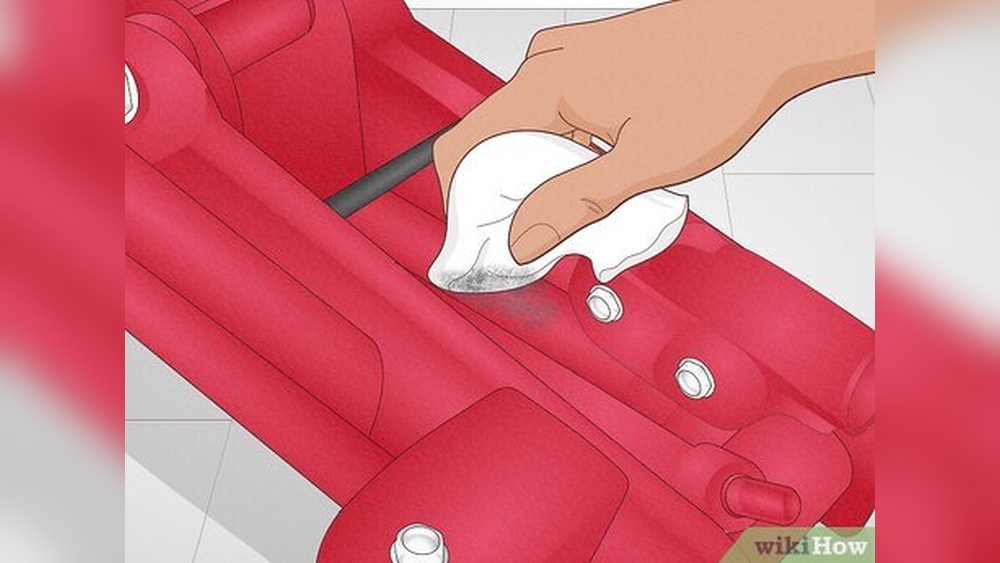
Wipe the jack’s surface with a clean cloth. Remove dirt, dust, and grease around the refill area. Clean surfaces prevent dirt from entering the hydraulic system. Use a mild cleaner if needed, but avoid harsh chemicals.
Positioning The Jack Safely
Place the jack on a flat, stable floor. Avoid uneven or slippery surfaces. Stability prevents accidents and spills during refilling. Keep the jack away from children and pets. Ensure good lighting to see clearly while working.
Releasing Pressure
Lower the jack completely to release hydraulic pressure. Turn the release valve slowly to let out trapped pressure. This step prevents oil from spraying out unexpectedly. Confirm the jack handle moves freely before refilling.
Step-by-step Refill Process
Refilling the Craftsman floor jack is easy with clear steps. Proper fluid levels keep your jack working smoothly and safely. Follow this step-by-step process to refill it correctly.
Locating The Fill Plug
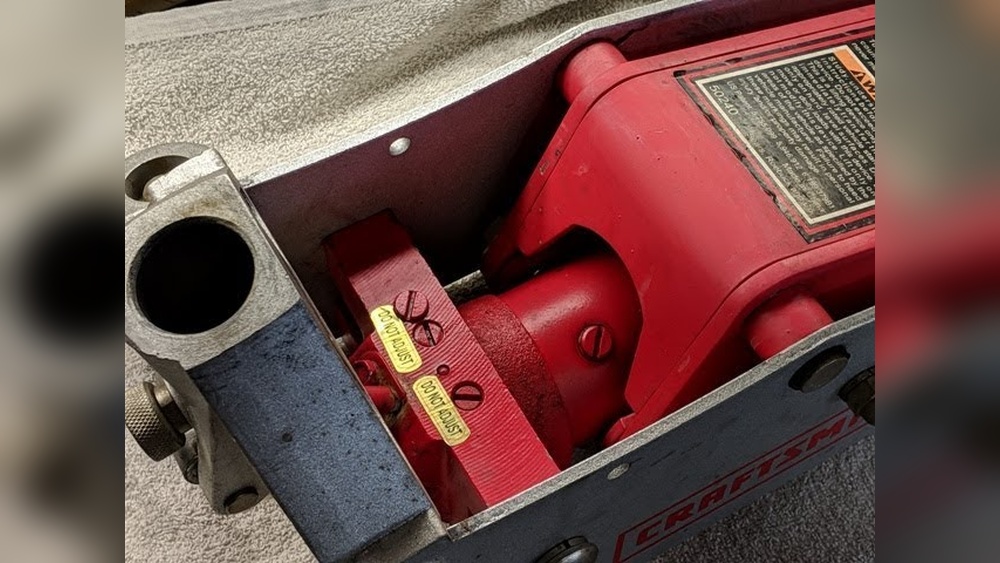
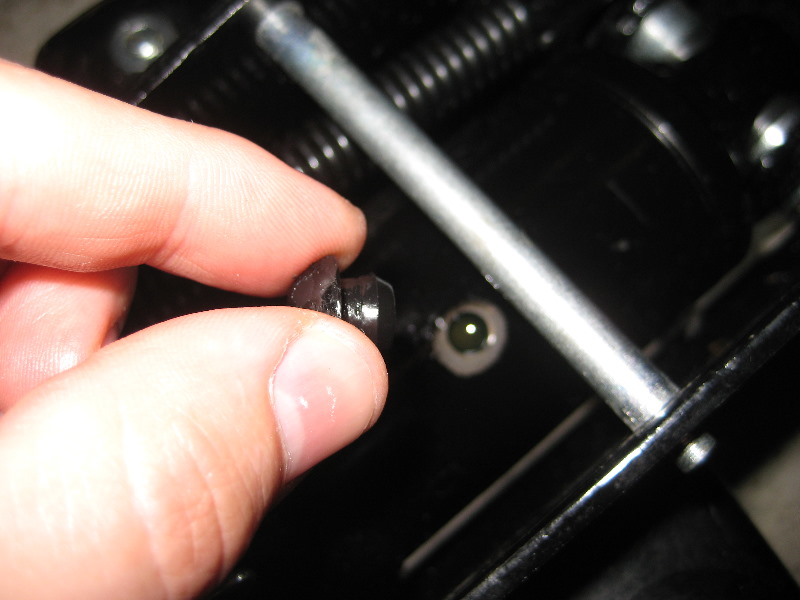
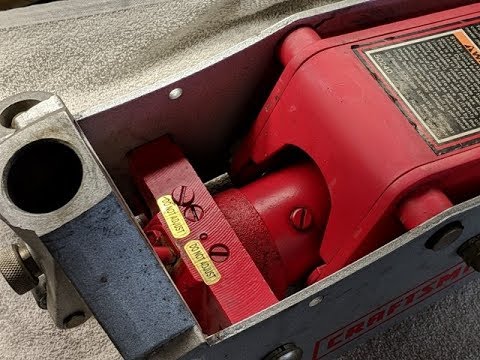
First, find the fill plug on your floor jack. It is usually on the side or top. Use a wrench to loosen the plug gently. Keep the plug safe to close later.
Draining Old Fluid
Place a container under the jack to catch old fluid. Slowly tip the jack to pour out the old hydraulic oil. Make sure all the fluid drains out. Dispose of the old fluid properly.
Adding New Hydraulic Fluid
Use the recommended hydraulic fluid for your jack. Pour the new fluid into the fill hole slowly. Stop when the fluid reaches the correct level. Check the manual for the right amount.
Sealing The Fill Plug
Put the fill plug back into its place. Tighten it firmly with a wrench. Avoid over-tightening to prevent damage. Wipe away any spilled fluid around the plug.
Bleeding Air From The Hydraulic System
Bleeding air from the hydraulic system is a key step when refilling a Craftsman floor jack. Air pockets reduce the jack’s lifting power and make it unsafe. Removing trapped air restores smooth, strong operation. This process is simple but must be done carefully for best results.
Why Bleeding Is Important
Air inside the hydraulic system lowers pressure. The jack may not lift properly or could fail suddenly. Air causes jerky or uneven lifting motions. Removing air improves safety and performance. It also extends the life of the floor jack. Ignoring air in the system can lead to costly repairs.
Proper Bleeding Techniques
Start by placing the jack on a flat surface. Open the release valve slowly to lower the jack completely. Add hydraulic fluid to the reservoir if needed. Pump the handle several times to push air out. Keep the release valve open during pumping. Close the valve after pumping and check the fluid level. Repeat this process until no air bubbles appear in the fluid. Test the jack by lifting a small load to ensure smooth operation.
Testing The Floor Jack After Refill
After refilling your Craftsman floor jack, testing it is vital. This step ensures the jack works safely and correctly. Skipping this check might cause accidents or damage. Follow these simple tests to confirm your jack is ready for use.
Lifting And Lowering Checks
Start by placing the floor jack under a sturdy object. Pump the handle slowly to lift the load. Watch if the jack lifts smoothly without jerks. Lower the load carefully and see if it descends evenly. Any hesitation or uneven movement means more adjustment is needed.
Inspecting For Leaks
Look closely around the jack after lifting and lowering. Check for any oil drips or wet spots. Oil leaks reduce pressure and make the jack unsafe. Tighten any loose parts or replace seals if you spot leaks. A dry jack means it is sealed correctly and ready to use.
Ensuring Smooth Operation
Move the jack handle through its full range several times. The handle should move without sticking or extra effort. Listen for unusual noises like grinding or squeaking. Smooth operation shows the hydraulic system works well. If the handle feels stiff or noisy, inspect the jack again.
Maintenance Tips For Longevity
Proper maintenance keeps your Craftsman floor jack working well for years. Regular care prevents damage and costly repairs. Follow simple tips to extend its life and maintain safety.
Regular Fluid Checks
Check the hydraulic fluid level often. Low fluid causes poor lifting and may damage the jack. Use the type of fluid recommended in the manual. Refill carefully to avoid spills and overfilling.
Storage Recommendations
Store the floor jack in a dry, clean place. Avoid damp or dusty areas that can cause rust. Lower the jack fully before storing. Cover it to keep dirt and moisture away.
Periodic Inspections
Inspect the jack regularly for leaks, cracks, or worn parts. Tighten loose bolts and replace damaged components quickly. Test the jack’s lifting ability to ensure it works smoothly and safely.
Credit: www.youtube.com
Frequently Asked Questions
How Do I Check Fluid Level In A Craftsman Floor Jack?
To check the fluid level, locate the fill plug on the jack’s body. Remove it and inspect the hydraulic fluid. The fluid should be near the top. If low, refill with the recommended hydraulic oil for optimal performance and safety.
What Type Of Fluid Is Best For Craftsman Floor Jacks?
Use high-quality hydraulic jack oil specifically designed for floor jacks. Avoid using brake fluid, transmission fluid, or motor oil, as they can damage seals and reduce jack efficiency. Always refer to the manufacturer’s guide for the correct fluid type.
How Often Should I Refill My Craftsman Floor Jack?
Refill your floor jack when the hydraulic fluid level drops or performance decreases. Regularly inspect every few months or after heavy use. Proper maintenance prevents jack failure and ensures smooth lifting operations.
Can I Use Any Hydraulic Oil For Craftsman Floor Jack?
No, use only hydraulic jack oil recommended by Craftsman. Other oils may harm the internal seals and reduce jack life. Using the correct oil keeps the jack functioning safely and efficiently.
Conclusion
Refilling your Craftsman floor jack keeps it working safely and smoothly. Regular checks and simple refills prevent damage and save money. Follow the steps carefully to avoid mistakes. Use the right hydraulic fluid for best results. A well-maintained jack lasts longer and lifts better.
Taking small actions now avoids big problems later. Keep your tools ready for any job. Easy to do, worth the effort.