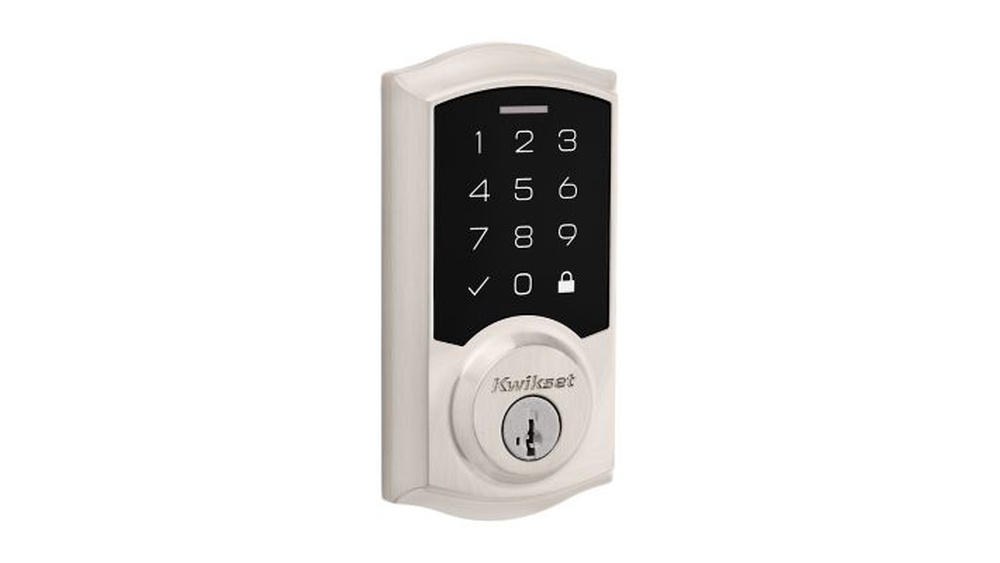
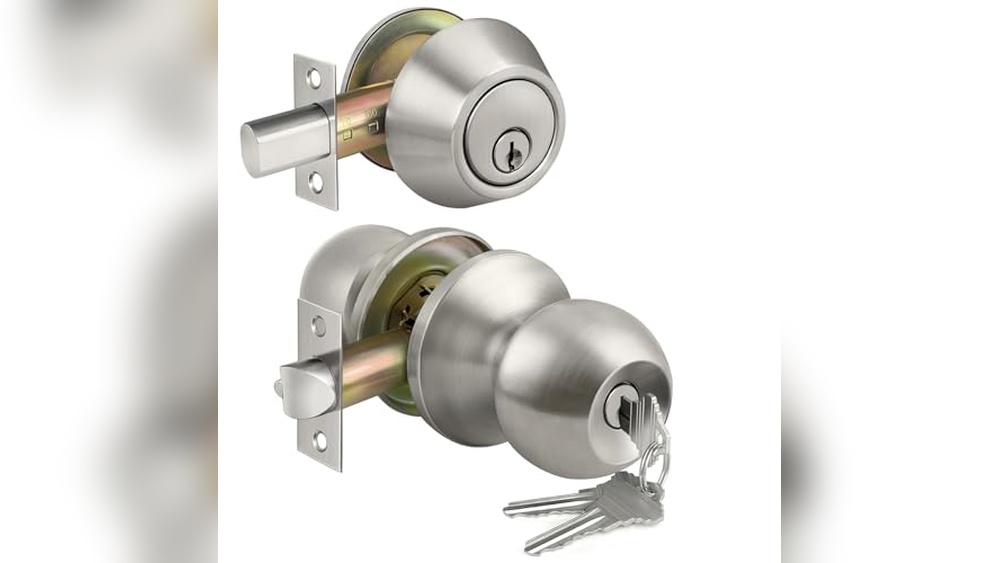
Are you tired of struggling with a stubborn lock or worried about your home’s security? Replacing your Schlage deadbolt lock might be easier than you think.
With just a few simple tools and easy steps, you can upgrade your door’s safety quickly and confidently. In this guide, you’ll learn exactly how to replace your Schlage deadbolt lock without any hassle. Keep reading to take control of your home’s security today!
Tools And Materials Needed
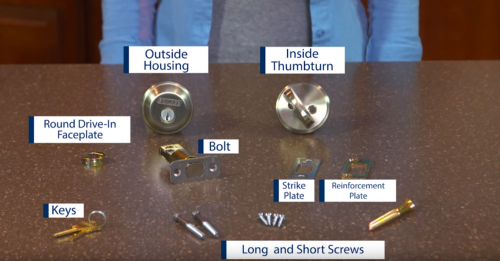
Replacing a Schlage deadbolt lock requires a few basic tools and materials. Having them ready makes the process faster and easier. Each tool plays a key role in removing the old lock and fitting the new one correctly.
Gathering the right materials helps avoid interruptions. It also ensures the lock works properly after installation. Below are the essential tools and materials needed for this task.
Phillips Head Screwdriver
This screwdriver removes and tightens screws on the lock. Most deadbolts use Phillips screws. A medium-sized screwdriver usually fits well.
Flat Head Screwdriver
This tool helps pry off parts gently. It can also assist in loosening stuck screws or plates. A small flat head screwdriver is enough.
New Schlage Deadbolt Lock
Choose the correct model for your door. The package includes all lock parts and instructions. Check everything is included before starting.
Measuring Tape
Measure the door thickness and hole size. This ensures the new lock fits perfectly. Accurate measurements prevent installation problems.
Battery (for Electronic Models)
Some Schlage deadbolts need batteries to work. Use fresh batteries for smooth operation. Check the lock type to know if batteries are required.
Pencil Or Marker
Mark screw holes or alignment points on the door. Clear marks make installation simpler. Use a pencil for easy corrections.
Credit: www.schlage.com
Removing The Old Deadbolt
Removing the old deadbolt is the first step to install a new Schlage lock. This task is simple and only takes a few minutes. You need a screwdriver and a little patience. Follow the steps carefully to avoid damage to your door.
Locating Screws
Start by finding the screws on the deadbolt. They hold the lock together. Usually, screws are visible on the interior side of the door. Look around the lock’s faceplate and inside the knob or handle. Use a screwdriver to remove these screws. Keep them safe for later use or disposal.
Taking Off Exterior And Interior Parts
Once screws are removed, gently pull off the interior part of the lock. It should come off easily. Next, remove the exterior part of the deadbolt. Sometimes, a little wiggle helps to loosen it. Avoid forcing the pieces to prevent damage. Set the parts aside.
Removing The Latch
The latch is the metal piece inside the edge of the door. It slides in and out to lock and unlock. Unscrew the screws holding the latch in place. Pull the latch out carefully. This clears the way to install your new Schlage deadbolt.
Preparing The Door For The New Lock
Preparing the door for the new Schlage deadbolt lock is an important step. It helps the lock fit well and work properly. Take time to check the door’s condition before installing the lock. This prevents problems later.
Start by making sure the door is ready for the new lock. Clean the area and check if the door parts line up. This ensures smooth operation and better security.
Checking Door Alignment
Check if the door closes smoothly and fits well in the frame. The door should be straight and not warped. If the door is misaligned, the lock might not work correctly. Adjust the hinges or strike plate to fix alignment. A well-aligned door allows the deadbolt to slide in easily.
Cleaning The Door Edge
Clean the door edge where the lock will be installed. Remove dirt, dust, and old paint. Use a cloth and mild cleaner for best results. A clean surface helps the lock fit tightly and stay secure. Also, check for any damage or cracks on the door edge. Repair or replace the door if needed before installing the new lock.
Installing The New Schlage Deadbolt
Installing the new Schlage deadbolt is a simple step that secures your door effectively. Follow the instructions carefully to ensure proper fit and function. This part of the process involves three main steps: inserting the latch, attaching the exterior assembly, and securing the interior assembly. Each step builds on the last for a strong, secure lock.
Inserting The Latch
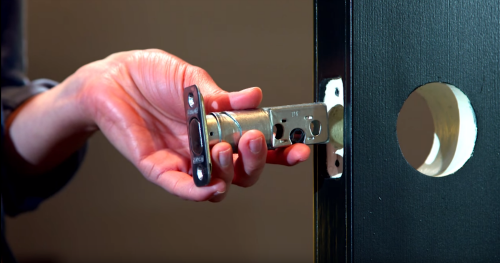
Start by sliding the latch into the door’s edge. The slanted side of the latch should face the door jamb. Push it in until the latch plate sits flush with the door surface. Use screws to fasten the latch securely. Tighten screws evenly to avoid misalignment.
Attaching Exterior Assembly
Place the exterior part of the lock on the outside of the door. Align the tailpiece through the latch mechanism. Check that the keypad or keyhole faces outward. Hold the assembly steady while you proceed to the next step. Proper alignment prevents lock jamming.
Securing Interior Assembly
Attach the interior assembly on the inside of the door. Match the screw holes with the exterior part. Insert screws and tighten them in a cross pattern. This ensures even pressure on the lock. Test the lock by turning the thumb turn before finishing.
Testing The Lock Functionality
Testing the lock functionality is a crucial step after replacing a Schlage deadbolt. It ensures the lock works properly and keeps your home secure. Skipping this step can cause trouble later, such as difficulty locking or unlocking the door.
Take your time to check every part of the lock. Small issues can show up now and save you from bigger problems. Testing helps confirm the installation is correct and the lock operates smoothly.
Checking Key Operation
Insert the key into the lock and turn it gently. It should turn without force or sticking. Test the key in both directions, locking and unlocking the deadbolt. Try the key several times to confirm consistent movement.
If the key feels hard to turn, something might be wrong. Check alignment and key placement. Make sure the cylinder and bolt move together smoothly. A well-functioning key operation means the lock is ready to use.
Ensuring Smooth Locking And Unlocking
Use the thumb turn inside the door to test locking and unlocking. It should move easily without resistance. Lock and unlock the door multiple times to verify smooth action.
Check the bolt extends fully into the door frame. Partial extension can weaken security. Listen for any unusual sounds like grinding or catching. These signs indicate adjustments are needed.
Test the door closing and locking several times. The lock should engage quickly and fully. Smooth locking and unlocking guarantees your deadbolt performs as expected every day.
Credit: www.schlage.com
Troubleshooting Common Issues
Troubleshooting is key when replacing a Schlage deadbolt lock. Common issues can stop your lock from working well. Knowing how to fix these problems saves time and effort. Below are two common problems and easy ways to solve them.
Fixing Misalignment
Misalignment happens when the deadbolt does not line up with the strike plate. This causes the lock to stick or not turn smoothly. Check if the bolt slides freely into the hole. If it does not, the lock and strike plate need adjustment.
Loosen the screws on the lock and slightly move it up, down, left, or right. Tighten the screws and test the lock again. Repeat until the bolt fits easily. Avoid forcing the lock to prevent damage.
Adjusting Strike Plate
The strike plate guides the bolt into the door frame. If the bolt hits the plate, the lock may jam. Remove the strike plate and check the hole size. Enlarge the hole with a chisel or file if it is too small.
Reattach the strike plate, making sure it lines up with the bolt. Use longer screws if the plate feels loose. Test the lock to ensure smooth locking and unlocking action.
Maintenance Tips For Longevity
Replacing a Schlage deadbolt lock keeps your door secure and working well. Regular checks and gentle cleaning help the lock last longer. Simple steps make the process easy and quick to follow.
Regular Cleaning
Keep your Schlage deadbolt clean to avoid dirt buildup. Use a soft cloth and mild soap to wipe the lock. Avoid harsh chemicals that can damage the finish. Clean both the exterior and interior parts gently.
Lubricate Moving Parts
Apply graphite or silicone spray to the keyhole and bolt mechanism. This reduces friction and prevents sticking. Do not use oil-based lubricants, as they attract dust and grime. Lubricate the lock at least once a year.
Check For Loose Screws
Inspect the screws on the lock and strike plate regularly. Tighten any loose screws to keep the lock secure. Loose parts can cause misalignment and trouble locking or unlocking. Use a screwdriver that fits well to avoid stripping screws.
Test The Lock Function
Turn the key and thumb turn several times to test smooth operation. Listen for unusual sounds like grinding or sticking. Address any issues immediately to avoid lock failure. Regular testing ensures your lock works when needed most.
Protect From Weather Damage
Install a weather shield or cover if the lock is exposed to rain or snow. Moisture can cause rust and damage internal parts. Wipe the lock dry after heavy rain or snow exposure. Proper protection extends the lock’s life.

Credit: diy.stackexchange.com
Frequently Asked Questions
How Do I Remove A Schlage Deadbolt Lock?
Start by unscrewing the interior screws using a screwdriver. Remove the interior and exterior parts carefully. Then, slide out the deadbolt from the door edge. Follow the lock’s manual for specific steps.
What Tools Are Needed To Replace A Schlage Deadbolt?
You typically need a Phillips screwdriver, a flathead screwdriver, and possibly a drill. Having a tape measure and pencil helps for alignment. These tools make removal and installation easier and more precise.
How Long Does It Take To Replace A Schlage Deadbolt?
Replacing a Schlage deadbolt usually takes 15 to 30 minutes. Experienced DIYers can finish quicker. Reading instructions beforehand speeds up the process. Proper alignment ensures smooth locking after installation.
Can I Rekey My Schlage Deadbolt Instead Of Replacing?
Yes, rekeying is an option to change keys without replacing the lock. It saves money and keeps the existing hardware. However, replacement is better if the lock is damaged or outdated.
Conclusion
Replacing a Schlage deadbolt lock is simple with the right steps. Take your time and follow each instruction carefully. You can improve your home’s security quickly and easily. No special tools or skills are needed. Just be patient and double-check your work.
Enjoy the peace of mind that comes with a new lock. Stay safe and secure in your home.