Choosing the right deadbolt lock might seem simple, but it’s one of the most important decisions you’ll make for your home’s security. You want to feel safe and confident every time you lock your door.
But with so many options out there, how do you pick the perfect one for your needs? You’ll discover exactly what to look for, how to avoid common mistakes, and the key features that make a deadbolt truly reliable. Keep reading, and you’ll soon know how to protect your home like a pro.
Credit: www.reddit.com
Types Of Deadbolt Locks
Choosing the right deadbolt lock means knowing the main types available. Each type offers different features and levels of security. Understanding these types helps you pick the best fit for your door and needs.
Single Cylinder Deadbolts
Single cylinder deadbolts use a key on the outside. Inside, a thumb turn locks or unlocks the door. This type is easy to use and common in homes. It works well if your door has glass away from the lock.
Double Cylinder Deadbolts
Double cylinder deadbolts need a key to lock or unlock from both sides. They add extra security where glass is near the lock. This stops intruders from breaking glass and opening the door. Use this type carefully to avoid locking yourself out.
Keyless Deadbolts
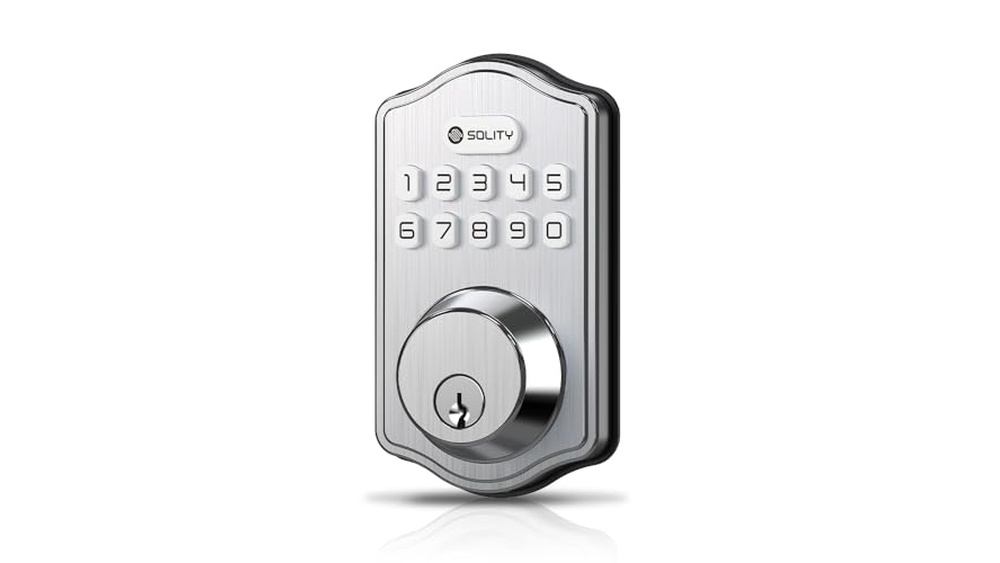
Keyless deadbolts use a code or fingerprint to open. No need for physical keys. They offer convenience and quick access. Good for families or places with many users. Some models allow temporary codes for guests or workers.

Credit: www.youtube.com
Material And Build Quality
Choosing the right deadbolt lock means focusing on its material and build quality. These factors affect how strong and durable your lock will be. A well-made lock can protect your home better and last longer. Understanding the materials used and their strength helps you pick a good lock.
Steel Vs Brass Components
Steel parts are tough and resist force well. They make the lock harder to break. Brass parts resist rust and wear over time. Brass locks often have smooth operation and last long. Some locks combine both metals for strength and durability.
Bolt Thickness And Strength
A thicker bolt offers better security. It is harder for intruders to cut or break. Look for bolts at least one inch thick. Strong bolts resist twisting and prying attempts. The build quality of the bolt matters as much as its size.
Weather Resistance Features
Locks outside face rain, sun, and cold. Materials that resist rust and corrosion last longer. Look for locks with weatherproof finishes or coatings. Sealed components stop dirt and moisture inside. Weather resistance keeps your lock working smoothly year-round.
Lock Grade And Security Ratings
Choosing the right deadbolt involves understanding lock grades and security ratings. These ratings tell you how strong and reliable a lock is. They help you pick a lock that fits your security needs. Knowing these can save you from buying a weak lock.
Ansi/bhma Grading System
The ANSI/BHMA grading system ranks locks by quality and strength. It has three grades: Grade 1, Grade 2, and Grade 3. Grade 1 is the strongest and used for commercial buildings. Grade 2 is good for most homes. Grade 3 offers basic security and is the least strong.
Choosing Grade 1 Vs Grade 2
Grade 1 locks resist force and wear better than Grade 2. They last longer and offer higher protection. Grade 2 locks still protect well for most homes. Pick Grade 1 if you want extra security or live in a risky area. Grade 2 fits most everyday needs and budgets.
Ul Certification Importance
UL certification shows a lock passed strict safety tests. It means the lock meets national fire and security standards. A UL-certified lock is tested for strength and durability. This certification adds trust and proof of quality to your lock choice.
Installation Considerations
Installing a deadbolt lock needs careful thought. The right fit and setup ensure your door stays secure. Knowing what to check before installation helps avoid mistakes.
Door Compatibility
Check if the deadbolt fits your door thickness. Most locks fit doors 1 3/8 to 1 3/4 inches thick. Also, look at the door material. Wood, metal, and fiberglass may need different lock types. Measure the backset—the distance from the door edge to the hole center. Common sizes are 2 3/8 or 2 3/4 inches. Choose a lock that matches these measurements.
Professional Vs Diy Installation
Installing a deadbolt can be simple or tricky. Some locks come with clear instructions for DIY. Basic tools like a drill and screwdriver are needed. If you are unsure about tools or measurements, a professional can help. Pros install locks faster and ensure proper alignment. This reduces the risk of damage or poor security.
Reinforcing Strike Plates
Strike plates strengthen the door frame where the lock bolt fits. Use heavy-duty strike plates with long screws. Screws should reach the wall stud behind the frame. This adds extra security and stops forced entry. Consider upgrading the strike plate during installation for better protection.
Smart Deadbolt Features
Smart deadbolt locks offer modern features that improve home security and convenience. These locks connect to your phone and let you control access easily. They come with different options to fit your needs and lifestyle.
Remote Access And Control
Remote access lets you lock or unlock your door from anywhere. Use a smartphone app to check your door’s status anytime. You can allow guests or service people in, even when you are not home. This feature adds safety and ease to your daily routine.
Biometric And Keypad Options
Biometric locks use fingerprints for quick, secure entry. No need for keys or codes. Keypad locks let you enter a PIN to open the door. You can change the code easily to keep control of who enters. Both options reduce the risk of lost or stolen keys.
Battery Life And Alerts
Smart deadbolts run on batteries that last several months. Some models send alerts when battery power is low. You get notified before the lock stops working. This keeps your home secure without surprise lockouts.
Budget And Value
Choosing the right deadbolt lock means thinking about both budget and value. It is important to find a lock that fits your price range but also offers strong security. Spending a little more can mean better safety for your home. Understanding what you get for your money helps make a smart choice.
Balancing Cost With Security
Cheaper locks might save money now but may lack strong protection. Higher-quality locks often use better materials and design. These locks are harder to break or pick. Spend enough to get a lock that keeps your home safe. Avoid very low-cost locks that offer weak security.
Warranty And Support
Check if the lock comes with a warranty. A good warranty shows the maker trusts their product. It also protects you from defects or problems. Look for brands that offer easy customer support. Support can help with installation advice or fixing issues.
Long-term Investment Benefits
Buying a strong deadbolt saves money over time. Good locks last longer and need fewer repairs. They also reduce risks of break-ins and loss. Think of your lock as an investment in your home’s safety. Spending a bit more now can avoid big costs later.

Credit: www.youtube.com
Frequently Asked Questions
What Factors Should I Consider When Choosing A Deadbolt Lock?
Consider security grade, lock type, key control, and durability. Choose a lock with high ANSI grade for better security. Also, think about ease of installation and compatibility with your door.
How Do I Know If A Deadbolt Fits My Door?
Measure your door’s thickness and backset before buying. Most deadbolts fit doors between 1 3/8 to 1 3/4 inches thick. Check the product specs to ensure compatibility.
Are Smart Deadbolts More Secure Than Traditional Ones?
Smart deadbolts offer convenience with keyless entry and remote control. Security depends on encryption and build quality. They can be secure if you choose reputable brands and keep software updated.
Can I Install A Deadbolt Lock Myself?
Yes, many deadbolts come with DIY installation guides. Basic tools and skills are needed. For complex doors or higher security needs, consider professional installation.
Conclusion
Choosing the right deadbolt lock keeps your home safe and secure. Think about your door type and how strong you want the lock to be. Simple locks work well for many homes, while heavier locks suit more security needs. Don’t forget to check lock grades and ease of use.
A good deadbolt gives you peace of mind every day. Take time to pick one that fits your needs and budget. Safety starts at the door.