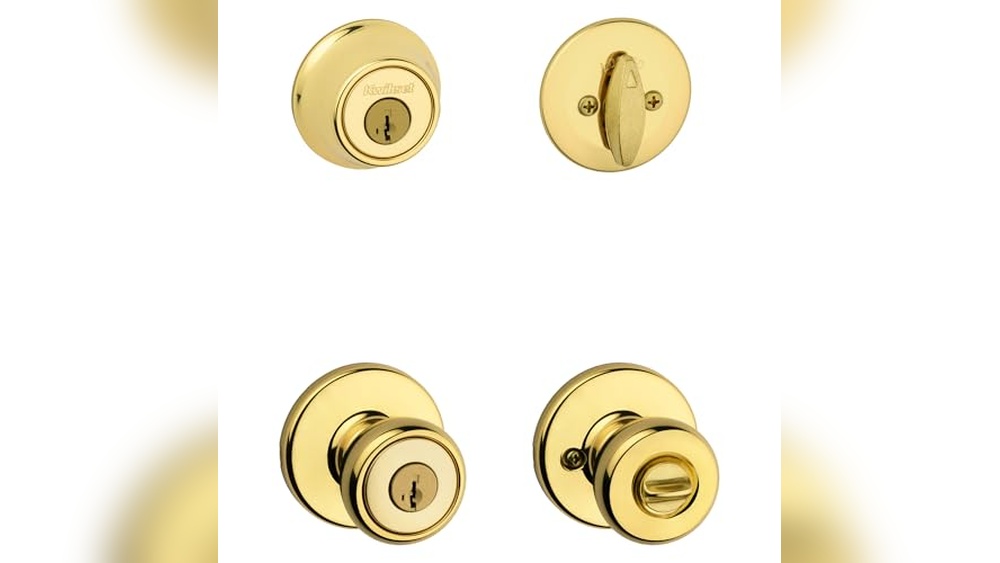
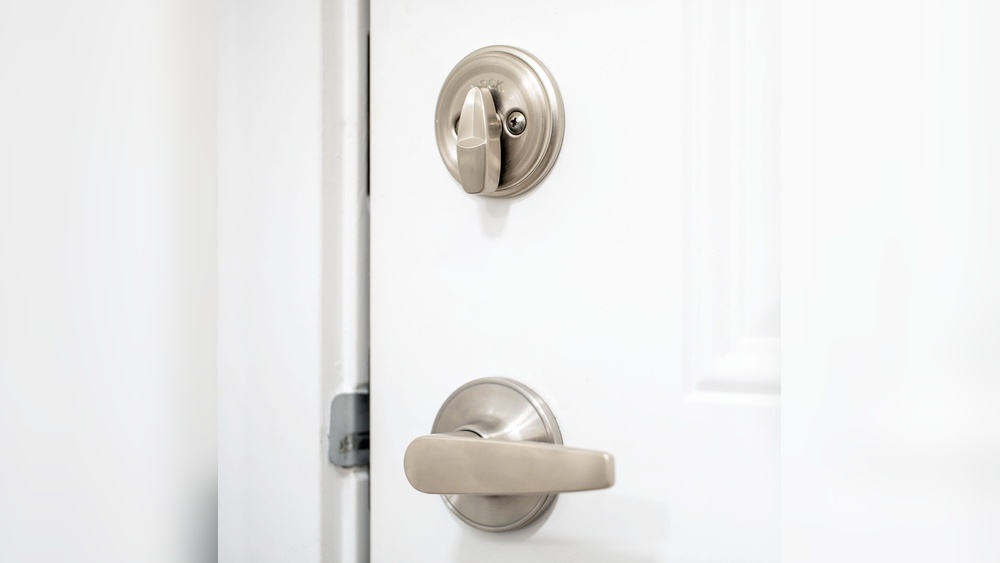
Choosing the right deadbolt size can feel confusing, but it’s one of the most important steps to keep your home safe. You want a lock that fits perfectly, works smoothly, and gives you peace of mind.
If you’re unsure about what deadbolt size you need, you’re not alone—and this article is here to help. By the time you finish reading, you’ll know exactly how to measure your door and pick the perfect deadbolt. Let’s make your home security simple and strong.
Deadbolt Types
Deadbolts come in different types to fit various security needs. Each type offers unique features and installation styles. Knowing these types helps you choose the right deadbolt size and model for your door.
The deadbolt type affects how you measure and install it. Understanding these types makes the process easier and ensures a better fit.
Single Cylinder
Single cylinder deadbolts have a keyhole on the outside. Inside, there is a thumb turn to lock or unlock the door. This type is common in homes and easy to use. Measure the thickness of your door to pick the right size. It fits doors that are 1 3/8 to 1 3/4 inches thick.
Double Cylinder
Double cylinder deadbolts need a key on both sides. This adds extra security for doors with glass nearby. It prevents someone from breaking the glass and unlocking from inside. Measure the door thickness and backset carefully. This type also fits doors between 1 3/8 and 1 3/4 inches thick. Keys must be kept handy inside for emergency exit.
Keyless Deadbolts
Keyless deadbolts work with codes or electronic locks. No physical key is needed to open the door. These locks are popular for easy access and security. Check the lock’s size and door thickness before buying. Most keyless deadbolts fit standard door sizes. Ensure the lock fits your door’s thickness and backset.
Measuring Door Thickness
Measuring door thickness helps find the right deadbolt size for a secure fit. Use a tape measure to check the door’s width from edge to edge. Accurate measurement ensures the deadbolt works smoothly and keeps your door safe.
Understanding Door Thickness
Measuring door thickness is the first step to find the right deadbolt size. Doors come in different thicknesses, so the lock must fit perfectly. If the deadbolt is too short or too long, it will not work well or stay secure.
Most residential doors have a thickness between 1 3/8 inches and 1 3/4 inches. Some doors can be thicker, especially exterior ones. Knowing the exact thickness helps in picking a deadbolt that fits snugly and locks properly.
A tape measure or a ruler works best for this task. Use a tool that can measure in inches or millimeters. Avoid using a cloth or string as it may give a wrong measurement. Accuracy is important for a secure fit.
How To Measure Door Thickness
Start by closing the door. Place the tape measure at one edge of the door. Measure straight across to the opposite edge. Read the number carefully. This number is your door thickness.
Measure at different points to check for any variation. Some doors are not perfectly even. Use the thickest measurement for choosing your deadbolt size.
Why Door Thickness Matters
The deadbolt must match the door thickness for strength and security. A too-thin deadbolt can be loose and easy to break. A too-long deadbolt may not fit or damage the door. Right sizing keeps your home safer.
Proper measurement also ensures easy installation. It prevents extra holes or adjustments. This saves time and keeps your door looking good.
Determining Backset Distance
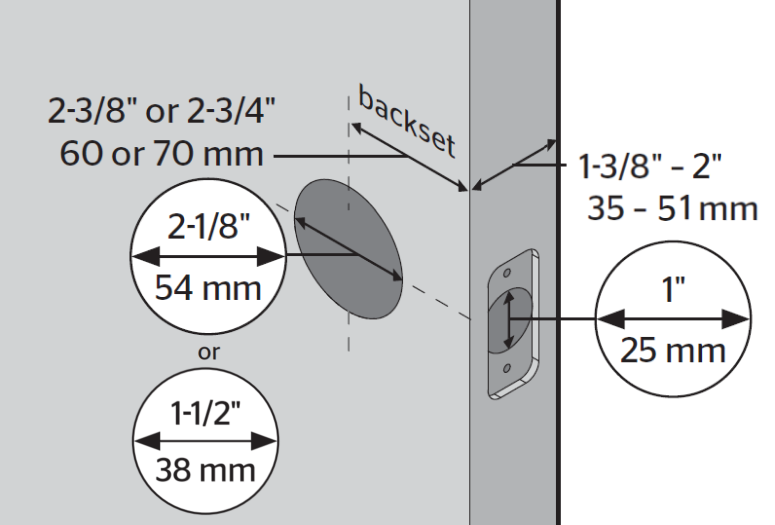
Determining the backset distance is a key step in choosing the right deadbolt size. The backset is the distance from the edge of the door to the center of the hole where the lock is installed. This measurement helps ensure the deadbolt fits correctly and works smoothly.
Most doors have a standard backset of either 2 3/8 inches or 2 3/4 inches. Knowing this distance helps you pick a deadbolt that matches your door’s design. The wrong backset size can cause installation problems and affect the lock’s security.
Measuring The Backset Distance
Use a tape measure to find the backset. Measure from the edge of the door to the center of the hole for the lock. Take the measurement carefully to avoid errors. Write down the number before buying a deadbolt.
Standard Backset Sizes
Most doors use 2 3/8 inches or 2 3/4 inches backset sizes. Some doors may have other sizes, but these two are most common. Check your door’s measurement to know which size fits best.
Why Backset Distance Matters
The backset affects how the deadbolt fits and operates. A wrong size can cause the lock to sit too close or too far from the door edge. This can make locking and unlocking difficult. Proper backset ensures smooth use and better security.

Credit: www.directdoorhardware.com
Choosing Deadbolt Length
Choosing the right deadbolt length is important for your door’s security and fit. The deadbolt must fit your door’s thickness perfectly. A wrong size can cause problems with locking and durability.
Deadbolts come in different lengths to match various door sizes. Knowing how to measure and select the correct length helps avoid mistakes. This guide explains the steps to pick the right deadbolt length.
Measure Your Door Thickness
Start by measuring the door’s thickness. Use a tape measure and check from one side to the other. Most doors are between 1 3/8 inches and 1 3/4 inches thick. Choose a deadbolt that matches this measurement.
Consider The Bolt Length
The bolt must be long enough to secure the door well. It should extend deep into the door frame. Too short, and the door may not lock properly. Too long, and it might not fit or work smoothly.
Check The Backset Size
Backset is the distance from the door edge to the center of the lock hole. Common backset sizes are 2 3/8 inches or 2 3/4 inches. Measure this to ensure the deadbolt aligns with your door’s hole.
Checking Door Edge Preparation
Checking the door edge preparation helps find the right deadbolt size. This step ensures the deadbolt fits well and works smoothly.
Measure the door edge to know the correct size for the bolt and faceplate. Check the depth and width of the hole in the door edge.
Look for any damage or irregularities that can affect deadbolt installation. A clean, even edge makes fitting easier and more secure.
Measure The Backset
The backset is the distance from the door edge to the center of the hole. This measurement guides you to pick the correct deadbolt size.
Common backset sizes are 2 3/8 inches and 2 3/4 inches. Use a tape measure to get this distance accurately.
Check The Door Thickness
Door thickness affects the deadbolt length needed. Most deadbolts fit doors between 1 3/8 and 1 3/4 inches thick.
Measure the door thickness at the edge. This helps avoid buying a deadbolt that is too short or too long.
Inspect The Faceplate Area
The faceplate covers the hole on the door edge. It must fit tightly without gaps or damage.
Measure the faceplate size and check for existing screw holes. This ensures the new deadbolt faceplate matches well.

Credit: help.idealinc.com
Evaluating Lock Diameter
Evaluating the lock diameter is a key step in choosing the right deadbolt size. The diameter affects how well the lock fits your door. It also impacts the lock’s strength and security. Measuring the lock diameter helps avoid mistakes and extra costs.
Most deadbolts have a standard diameter, but some doors need special sizes. Knowing the exact diameter keeps your door secure and functioning well. Use simple tools and clear steps to check this size.
What Is Lock Diameter?
The lock diameter is the width of the round part of the deadbolt. It is usually measured in inches or millimeters. This part fits into the hole on your door. The diameter must match the hole size for a proper fit.
How To Measure Lock Diameter
Use a tape measure or ruler to find the diameter. Measure across the widest part of the lock cylinder. Take the measurement from one edge to the other straight across. Write down the number for reference.
Standard Lock Diameter Sizes
Common deadbolt diameters are 2 1/8 inches or 2 1/4 inches. Some locks come in smaller sizes like 1 1/2 inches. Check your door’s hole size to pick the right diameter. Using standard sizes makes installation easier.
Matching Strike Plate Size
Choosing the right deadbolt size means matching the strike plate size to fit properly. Measure the existing strike plate for a perfect fit. This ensures your lock works smoothly and keeps your door secure.
Understanding Strike Plate Dimensions
The strike plate is the metal piece on the door frame. It catches the deadbolt when you lock the door. Its size must match the deadbolt for proper function. A wrong strike plate size can cause the deadbolt to jam or not latch fully.
Measure the strike plate’s height, width, and thickness. Compare these with the deadbolt’s bolt size. The bolt must fit snugly into the strike plate’s hole for security and smooth locking.
Why Matching Strike Plate Size Matters
A matching strike plate size ensures the door locks securely. It prevents the door from wobbling or being forced open easily. A too-small strike plate can break under pressure. A too-large plate leaves gaps, reducing safety.
Proper alignment between the deadbolt and strike plate also avoids damage. It keeps the door frame intact and extends the lock’s life. This match helps the lock work smoothly every time you turn the key.
How To Check Your Strike Plate Size
Start by removing the existing strike plate. Use a ruler or tape measure for accuracy. Note the length, width, and the hole size for the deadbolt.
Look for the strike plate size in the deadbolt’s instructions or packaging. Match these numbers to find a compatible strike plate. If unsure, take the old strike plate to a hardware store for help.
Tools Needed For Measurement
Measuring a deadbolt size needs the right tools. These tools help you get exact numbers. Accurate measurement stops mistakes when buying a deadbolt.
Use simple tools anyone can find at home or a local store. Each tool has a clear purpose for different parts of the lock. Knowing these tools makes the process easy and fast.
Measuring Tape
A measuring tape is the most important tool. It measures length, width, and thickness. Use it to check the door’s thickness and the backset distance. Choose a tape with clear numbers for easy reading.
Ruler Or Straight Edge
A ruler helps check small parts of the lock. It works well for measuring the faceplate and bolt size. A straight edge gives a straight line for better accuracy. Use a metal ruler for durability.
Caliper
A caliper measures inside and outside dimensions. It can measure thickness precisely. This tool is good for detailed parts of the deadbolt. Use it to get exact measurements of the lock cylinder.
Pencil And Paper
Write down every measurement as you take it. A pencil and paper prevent forgetting or mixing numbers. Note where each size comes from. Clear notes help when buying the right deadbolt.
Common Sizing Mistakes
Choosing the right deadbolt size matters for security and ease of use. Many people make simple mistakes when measuring or buying deadbolts. These errors can cause the lock not to fit well or work properly. Knowing the common sizing mistakes helps you avoid problems and pick the right deadbolt size the first time.
Incorrect Measurement Of Door Thickness
People often measure the door thickness wrong. They might measure only the inside or outside part. The deadbolt must fit the full door thickness. Measure from one side of the door to the other. Use a tape measure for accuracy. This ensures the lock fits snugly without gaps.
Ignoring Backset Dimensions
Backset is the distance from the door edge to the center of the hole. Many forget to check this size. Deadbolts come in different backset sizes, usually 2 3/8 inches or 2 3/4 inches. Using the wrong backset makes installation hard or impossible. Always measure the backset before buying a deadbolt.
Overlooking Bolt Length
Bolt length affects door security. A bolt too short may not secure the door well. Too long, and it may not fit inside the door frame. Check the bolt length size. Choose one that fits your door frame’s depth for best protection.
Not Considering Door Type
Wood, metal, and fiberglass doors may need different deadbolt sizes. Some locks suit only certain door types. Not thinking about your door type can cause fitting issues. Verify if the deadbolt works with your door material before buying.
When To Consult A Professional
Choosing the right deadbolt size can feel tricky. Sometimes, the task is simple. Other times, it needs expert help. Knowing when to call a professional saves time and avoids mistakes. Professionals have tools and skills to measure and fit deadbolts correctly.
Trusting a pro helps ensure your door locks work well. It also keeps your home safe. Here are some signs that you should seek professional advice.
Complex Door Types Or Materials
Doors made of unusual materials may need special deadbolt sizes. Professionals understand how to handle wood, metal, and fiberglass doors. They know which deadbolt suits each type best.
Incorrect Measurements Or Damage
Wrong measurements cause poor fitting deadbolts. Professionals measure doors precisely to avoid errors. They can also check for door damage that affects lock installation.
Upgrading Security Systems
Upgrading to a high-security deadbolt may require expert fitting. Professionals help choose locks that match your security needs. They ensure the installation meets safety standards.
Electrical Or Smart Lock Installation
Smart locks often need wiring and technical setup. Experts handle electrical parts safely and correctly. This avoids damage to the lock or door.
Time Constraints Or Lack Of Tools
Installing a deadbolt takes time and proper tools. Professionals complete the job faster and cleaner. Calling them saves effort and reduces stress.
Credit: brinkshome.com
Frequently Asked Questions
What Is The Standard Deadbolt Size?
The standard deadbolt size typically measures 2 1/8 inches in diameter. This size fits most residential doors. It ensures compatibility with common door preparations and provides secure locking.
How To Measure Deadbolt Thickness Accurately?
Measure the door thickness where the deadbolt will install. Use a tape measure for precision. Most deadbolts fit doors 1 3/8 to 1 3/4 inches thick.
Can Deadbolt Size Affect Security Level?
Yes, deadbolt size impacts security. Larger deadbolts with longer bolts offer stronger resistance to forced entry. Always choose the right size for your door and security needs.
Why Is Backset Measurement Important For Deadbolts?
Backset is the distance from door edge to center of the lock hole. Correct backset ensures proper deadbolt alignment and smooth operation. Common backsets are 2 3/8 or 2 3/4 inches.
Conclusion
Choosing the right deadbolt size keeps your home safe and secure. Measure your door and existing lock carefully before buying. Knowing the size helps avoid extra work or mistakes. A proper fit makes installation easier and ensures better protection. Always check the lock’s specifications and match them to your door.
Taking these simple steps saves time and stress. Stay confident that your door lock fits perfectly and works well. Safety starts with the right deadbolt size.