
Are you sure your electronic deadbolt is locked properly? It might seem simple, but many people struggle with using these smart locks the right way.
Knowing how to lock your electronic deadbolt correctly is key to keeping your home safe and giving you peace of mind. You’ll discover easy steps and insider tips that make locking your electronic deadbolt quick and foolproof. Keep reading—you’ll never worry about whether your door is truly secure again.
Choosing The Right Electronic Deadbolt
Choosing the right electronic deadbolt is important for home security. It ensures safety and convenience. Many options exist, so picking one can feel hard. Knowing the types and features helps make a clear choice.
Types Of Electronic Deadbolts
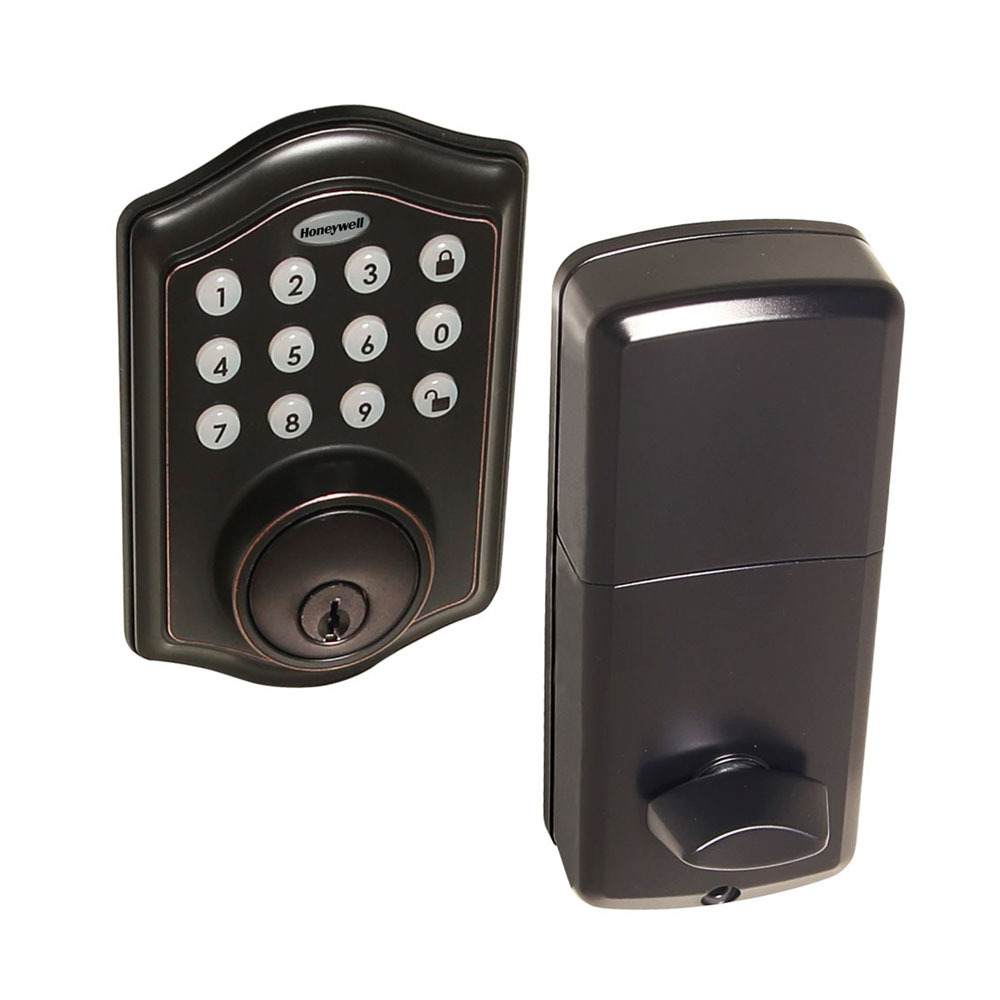
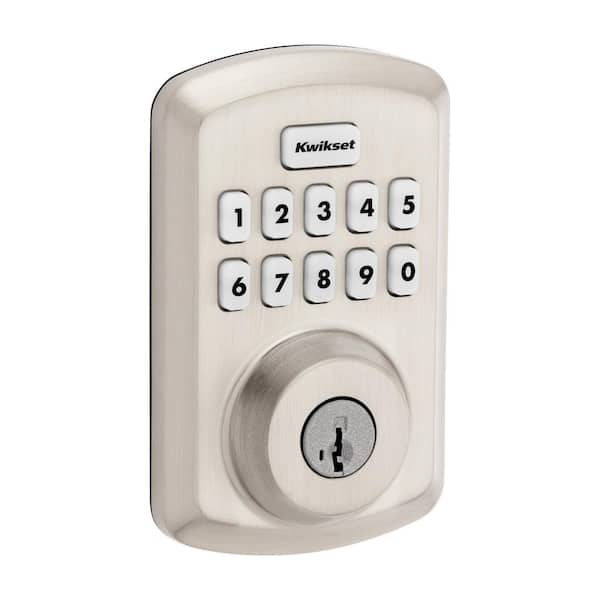
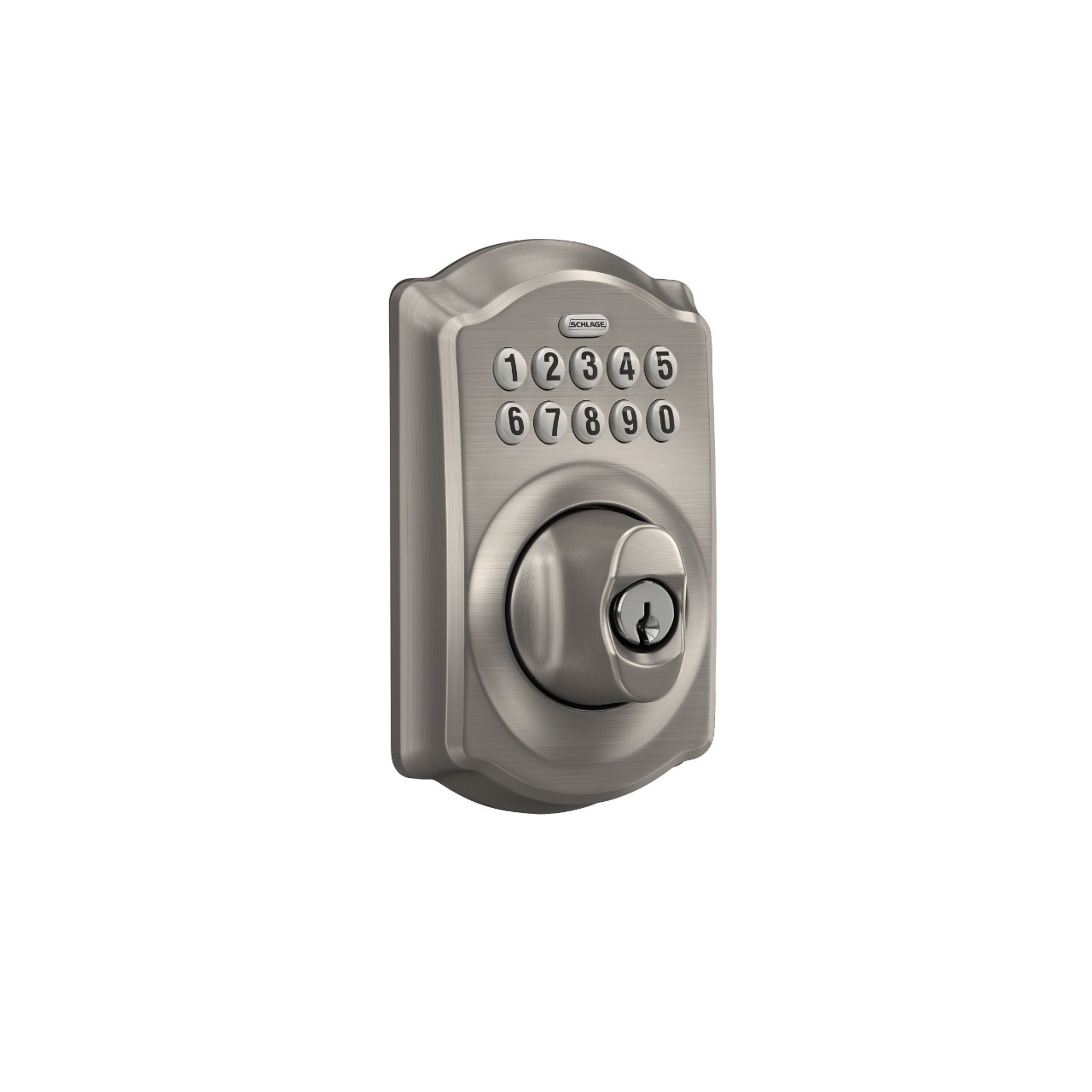
There are three main types of electronic deadbolts. Keypad models use a code to lock and unlock. Some have touchscreens for easier use. Biometric deadbolts use fingerprints for access. Others connect to your phone via Bluetooth or Wi-Fi. Each type offers different convenience and security levels.
Key Features To Consider
Look for features that match your needs. Battery life is important to avoid lockouts. Some deadbolts alert you when batteries are low. Auto-locking saves time and increases safety. Choose models with backup keys for emergencies. Weather resistance matters if the door faces outside. Also, check if the lock supports multiple user codes.
Compatibility With Door Frames
Not all electronic deadbolts fit every door. Measure your door thickness before buying. Most locks fit standard doors 1 3/8 to 2 inches thick. Check the backset distance, the space from the door edge to the lock center. Some locks suit only certain door materials. Wooden, metal, and fiberglass doors may need different locks. Confirm compatibility to avoid installation problems.
Credit: www.honeywellconsumerstore.com
Preparing Your Door For Installation
Preparing your door for installing an electronic deadbolt is an important step. It helps the lock fit well and work correctly. Taking time to get ready makes the installation smooth and safe.
Measuring Door Thickness
Check how thick your door is before buying the lock. Most electronic deadbolts fit doors between 1 3/8 inches and 2 inches thick. Use a tape measure to find the exact thickness. This measurement ensures you pick a lock that fits perfectly.
Checking Existing Lock Setup
Look at your current lock and door setup. Note where the holes for the lock and latch are. Some electronic deadbolts fit over existing holes, while others need new ones. This step helps avoid extra drilling and saves time.
Gathering Necessary Tools
Collect all tools needed for installation before starting. Common tools include a screwdriver, tape measure, pencil, and drill. Having tools ready keeps the work steady and quick. Prepare your workspace for easy access to tools.
Step-by-step Installation Guide
Installing an electronic deadbolt can improve your home security. Follow this step-by-step guide to install it correctly. Each step is simple and clear for easy understanding. Take your time to complete each part carefully.
Removing Old Lock Components
Start by removing the old lock from your door. Unscrew the interior and exterior plates carefully. Pull out the old deadbolt mechanism from the door edge. Keep screws and parts in a safe place. Clean the door area for the new lock installation.
Installing The Deadbolt Mechanism
Insert the new deadbolt mechanism into the door edge. Make sure it fits snugly and aligns with the hole. Secure it with the screws provided in the kit. Check that the bolt slides smoothly in and out. Adjust if necessary to ensure proper movement.
Securing The Exterior And Interior Plates
Place the exterior keypad or keyhole on the outside of the door. Align it properly with the deadbolt mechanism. Attach the interior plate on the inside of the door. Connect any wiring according to the instructions. Tighten all screws to hold the lock firmly in place.
Testing The Lock Functionality
Test the lock to make sure it works correctly. Use the keypad or key to lock and unlock the door. Check the bolt moves fully in both directions. Confirm the door closes and locks securely. Repeat tests to ensure consistent operation.
Programming Your Electronic Deadbolt
Programming your electronic deadbolt allows you to control who can enter your home. It gives you peace of mind by managing access easily. You can set up personal codes, add or remove users, and use your phone to control the lock. This section explains how to program your electronic deadbolt step by step.
Setting Up Access Codes
Start by creating your master code. This code lets you add or delete other users. Choose a code that is easy to remember but hard to guess. Follow your lock’s manual to enter programming mode. Use the keypad to add new access codes. Test each code to ensure it works properly before sharing it.
Adding And Deleting Users
Adding users is simple with your electronic deadbolt. Enter programming mode using the master code. Press the button to add a new user code. Assign a unique code for each person. To delete a user, enter programming mode and select the delete option. Removing unused codes keeps your home secure.
Using Mobile App Integration
Many electronic deadbolts connect to mobile apps. Download the lock’s official app on your smartphone. Pair the lock with the app using Bluetooth or Wi-Fi. Use the app to lock or unlock your door remotely. You can also add or remove users and receive alerts about lock activity.
Maintaining Your Electronic Deadbolt
Maintaining your electronic deadbolt helps it work smoothly and last longer. Regular care prevents problems and keeps your home safe. Small tasks can save you from costly repairs or lockouts.
Battery Replacement Tips
Check your deadbolt’s battery often. Replace batteries before they run out. Use the right type of battery recommended by the manufacturer. Keep spare batteries nearby for emergencies. Low batteries can cause the lock to fail.
Regular Cleaning And Inspection
Clean the lock with a soft, dry cloth. Avoid water or harsh chemicals that can damage parts. Look for dirt or dust inside the keyhole and keypad. Clean gently to prevent jams. Check screws and parts to ensure they are tight and secure.
Troubleshooting Common Issues
Lock not responding? Replace the battery first. If the keypad is sticky, clean it carefully. Check for physical damage or loose parts. Reset the lock if it acts strange. Contact support if problems continue after basic fixes.
Credit: www.homedepot.com
Enhancing Home Security With Electronic Locks
Electronic deadbolts add strong protection to your home. They bring more control than traditional locks. You can manage access easily and keep track of who enters your home. These smart locks work with modern technology to improve safety.
Many electronic locks connect to your smart home system. This connection makes locking and unlocking simple and fast. You can also get alerts about your door’s status. These features help you react quickly to any security issues.
Integrating With Smart Home Systems
Electronic deadbolts often link with smart home hubs. This lets you control locks using your phone or voice commands. You can lock your door from anywhere. Some systems allow you to set schedules for locking and unlocking. This adds convenience and security together.
Using Alerts And Notifications
Your lock can send alerts to your phone. This happens if someone tries to open the door without permission. You get notifications when the door locks or unlocks. These messages help you stay aware of your home’s security. Quick alerts reduce the chance of break-ins.
Best Practices For Secure Access
Use strong, unique codes for your electronic deadbolt. Change codes regularly to prevent unauthorized access. Share codes only with trusted people. Disable codes when no longer needed. Keep your lock’s firmware updated for the latest security fixes.
Credit: www.schlage.com
Frequently Asked Questions
How Do You Manually Lock An Electronic Deadbolt?
To manually lock an electronic deadbolt, press the lock button on the keypad or turn the thumbturn inside. Some models auto-lock after closing the door. Always check your specific deadbolt’s instructions for precise manual locking steps.
Can Electronic Deadbolts Lock Automatically?
Yes, many electronic deadbolts have an auto-lock feature. This feature locks the door after a preset time. It enhances security by ensuring the door never remains unlocked accidentally.
What Happens If The Electronic Deadbolt Battery Dies?
If the battery dies, most electronic deadbolts still allow manual locking with a physical key. Replace batteries promptly to avoid lockout. Some models have external battery backup options.
How Secure Is An Electronic Deadbolt Lock?
Electronic deadbolts offer strong security with encrypted codes and tamper alerts. They are harder to pick than traditional locks. Choose models with high security ratings for best protection.
Conclusion
Locking an electronic deadbolt is simple and quick. Just follow the steps carefully to secure your door. Regularly check the battery to keep it working well. Remember to test the lock after setting it. A properly locked deadbolt keeps your home safe.
Practice locking and unlocking to feel confident. Stay safe by using your electronic deadbolt every day.


