Are you tired of struggling to take down adhesive hooks without leaving marks or peeling paint? You’re not alone.
Removing these hooks can feel like a tricky task, especially when you want to keep your walls looking perfect. But don’t worry—there are simple, proven ways you can remove adhesive hooks cleanly and easily. Keep reading to discover easy techniques that protect your walls and save you time and frustration.
Your walls will thank you!

Credit: www.youtube.com
Types Of Adhesive Hooks
Adhesive hooks come in different types. Each type has unique features and uses. Understanding these helps in choosing the right hook for your needs. It also makes removing them easier and safer for your walls.
Common Materials Used
Adhesive hooks are made from plastic, metal, or a mix of both. Plastic hooks are light and cheap. Metal hooks are stronger and last longer. The adhesive part usually has a sticky gel or foam tape. This tape holds the hook to the wall without nails or screws.
Strength And Weight Limits
Each adhesive hook has a weight limit. Light hooks hold up to 1-2 pounds. Medium hooks can carry 3-5 pounds. Heavy-duty hooks support 7 pounds or more. Choosing the right strength prevents damage to your wall. Overloading can cause the hook to fall and ruin the paint.
Risks Of Removing Hooks Incorrectly
Removing adhesive hooks from walls may seem simple. Yet, doing it the wrong way can cause damage. This damage can be costly and hard to fix. Knowing the risks helps you avoid mistakes. It also protects your walls and saves time.
Wall Damage Scenarios
Pulling hooks off quickly can peel paint or wallpaper. This leaves ugly marks on walls. Sometimes, parts of drywall or plaster come off too. Strong adhesive may take chunks of the wall with it. This can create holes or rough spots. Repairing these needs patching and repainting.
Using sharp tools to scrape hooks can scratch or gouge surfaces. This harms the wall’s finish and texture. Over time, repeated damage weakens the wall’s structure. Sticky residue left behind attracts dirt and looks messy. It also makes new hooks less effective.
Surface Types And Vulnerabilities
Different walls react differently to adhesive hooks. Painted walls often show peeling or bubbling paint. Wallpaper can tear easily and lose its pattern. Drywall is fragile and breaks under strong pulls. Plaster walls crack or crumble around the hook.
Wood surfaces may lose their finish or get dents. Tiles can crack if hooks are removed too harshly. Glass and metal surfaces usually handle removal better. Yet, adhesive residue can still cause stains or marks. Knowing your wall type helps pick the right removal method.
Preparation Before Removal
Removing adhesive hooks from walls needs careful preparation. Proper steps help protect your wall from damage. Taking time before removal makes the process easier and cleaner.
Gathering Necessary Tools
Start by collecting all tools needed for removal. You will need a hairdryer or heat gun to soften the adhesive. A plastic card or old credit card helps gently lift the hook. Keep some rubbing alcohol or adhesive remover nearby. Use a soft cloth to clean the area after removal. Having these tools ready saves time and avoids mistakes.
Cleaning The Area
Clean the wall around the hook before removing it. Use a damp cloth to wipe away dust and dirt. This prevents debris from scratching the wall surface. Make sure the area is dry before using heat or adhesive remover. Clean surroundings help the adhesive soften evenly. A tidy wall also makes it easier to spot any damage during removal.

Credit: www.reddit.com
Safe Removal Techniques
Removing adhesive hooks from walls needs care. Safe removal techniques help avoid damage. Using the right method keeps your wall smooth and clean. These simple steps work well for most types of adhesive hooks.
Stretching The Adhesive Strip
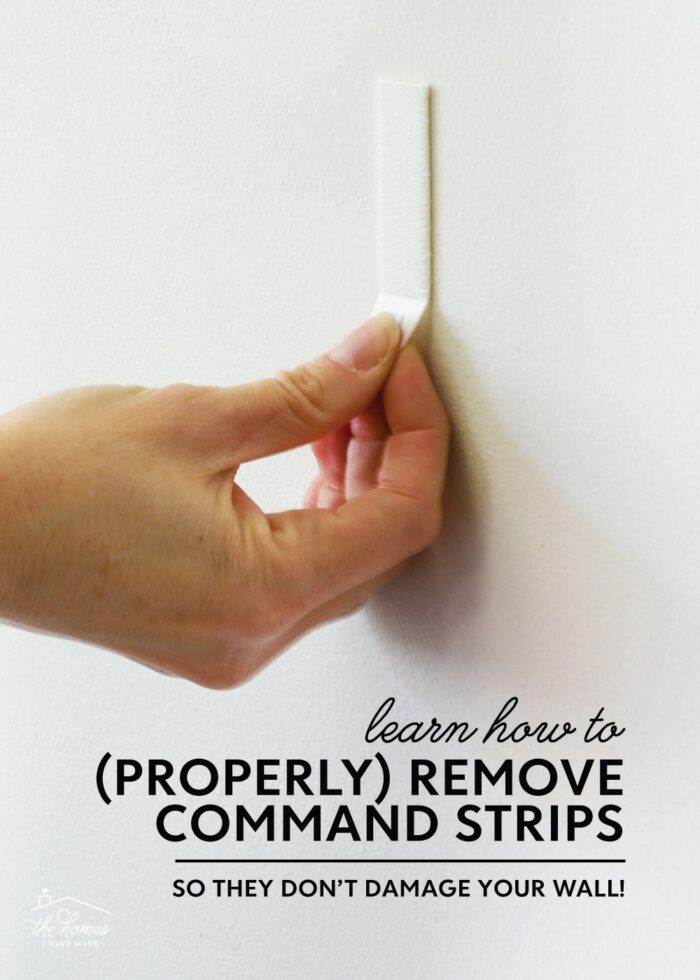
Pull the adhesive strip slowly and straight down. Keep the strip close to the wall. Stretching the strip weakens the glue. This method stops paint or drywall from peeling. Use steady force, not quick yanks. The strip will release without damage.
Using Heat To Loosen Adhesive
Heat softens the glue under the hook. Use a hairdryer on low heat. Hold it a few inches from the hook. Warm the adhesive for 30 to 60 seconds. Test by gently pulling the hook. Heat makes the glue less sticky. It helps the hook come off cleanly.
Applying Oil Or Solvents
Oil or solvents break down sticky residue. Use a small amount of cooking oil or rubbing alcohol. Dab it on the adhesive with a cotton ball. Let it sit for 5 to 10 minutes. The glue will soften and lose grip. Wipe away the residue with a cloth. Always test solvent on a small area first.
Dealing With Stubborn Residue
Removing adhesive hooks can leave behind sticky residue. This residue often feels tough to clean. It can attract dust and dirt, making walls look messy. Removing it carefully keeps walls safe from damage. Here are ways to deal with stubborn adhesive residue without harming your walls.
Scraping Safely
Use a plastic scraper or an old credit card. Gently slide it under the residue edge. Avoid metal tools that can scratch paint or drywall. Work slowly to lift the sticky bits. Stop if you see any wall damage. Wipe away loosened residue with a soft cloth.
Using Commercial Adhesive Removers
Choose removers made for walls and delicate surfaces. Apply a small amount on a cloth. Test it on a hidden wall spot first. Let it sit for a few minutes on the residue. Wipe gently to remove the sticky layer. Clean the area with water afterward to remove chemicals.
Natural Alternatives
Common household items help remove adhesive residue safely. Rubbing alcohol, vinegar, or cooking oil work well. Dab a small amount on a cloth. Rub the sticky residue carefully. These liquids break down the adhesive without harsh chemicals. Clean the wall with mild soap and water after treatment.
Repairing Wall Surfaces
Removing adhesive hooks can leave marks on your wall. Repairing these surfaces keeps your walls looking neat. Small holes or rough patches can spoil the wall’s appearance. Fixing them is simple and quick with basic steps.
Filling Small Holes
Use a putty knife to apply spackle or wall filler. Press the filler into the holes gently. Smooth it over the surface to level with the wall. Let the filler dry completely before moving on. Drying time depends on the product used.
Sanding And Smoothing
After the filler dries, sand the area lightly. Use fine-grit sandpaper for a smooth finish. Sand until the patch blends with the rest of the wall. Wipe away dust with a clean cloth. This step prepares the wall for painting.
Repainting Tips
Choose paint that matches your wall color. Use a small brush or roller for the patch. Apply thin, even coats to avoid streaks. Let the paint dry fully between coats. Multiple coats may be needed for full coverage.
Preventing Damage In Future
Preventing damage to walls from adhesive hooks saves time and money. Taking care before and after installation keeps your walls smooth. Small steps make a big difference in wall care.
Choosing The Right Hooks
Select hooks designed for your wall type. Some hooks work best on painted walls, others on tiles or wood. Check the weight limit to avoid pulling off paint or drywall. Using the right hook reduces risk of wall damage.
Proper Installation Tips
Clean the wall surface before applying hooks. Use rubbing alcohol to remove dust and grease. Press the hook firmly but do not force it. Follow the instructions on the packaging exactly. Let adhesive set for the recommended time before hanging items.
Regular Maintenance Checks
Inspect hooks and wall area often. Look for peeling paint or loosening hooks. Remove hooks gently if you see damage starting. Replace old hooks with new ones to keep walls safe. Simple checks prevent bigger problems later.
Credit: thehomesihavemade.com
Frequently Asked Questions
How To Safely Remove Adhesive Hooks From Walls?
Gently pull the adhesive tab straight down, stretching it slowly. Avoid yanking or pulling at an angle to prevent wall damage.
Can Heat Help Remove Adhesive Hooks Easily?
Yes, applying heat with a hairdryer softens the adhesive. This makes it easier to peel the hook off without harming the wall.
What Household Items Help Remove Adhesive Hooks?
Use warm soapy water or rubbing alcohol on a cloth. These soften the adhesive, allowing safe removal without leaving marks.
Will Adhesive Hooks Leave Marks On Painted Walls?
If removed carefully using proper techniques, adhesive hooks usually leave no marks. Always pull the tab slowly to avoid paint peeling.
Conclusion
Removing adhesive hooks without damaging walls takes care and the right steps. Use gentle heat or oil to loosen the glue. Pull hooks slowly and evenly to avoid peeling paint. Clean leftover sticky marks with mild soap or rubbing alcohol.
Patience matters most. Follow these tips to keep your walls smooth and intact. Your walls will thank you for the careful handling. Simple, smart methods work best every time.