If you’ve ever tried to hang something heavy on a concrete wall, you know it’s not as simple as driving in a nail. You need the right method to make sure your anchor holds strong and keeps your items safe.
Whether you’re mounting shelves, installing a TV bracket, or securing outdoor fixtures, knowing how to anchor into a concrete wall is a skill that can save you time, money, and frustration. In this guide, you’ll discover clear, step-by-step instructions that anyone can follow—no special tools or experience needed.
Ready to learn how to make your concrete wall work for you? Let’s get started.
Credit: www.homedepot.com
Types Of Concrete Anchors
Concrete anchors hold objects firmly to a concrete wall. Different types suit various tasks and loads. Choosing the right anchor ensures a safe and strong hold. Here are common types of concrete anchors used in construction and DIY projects.
Expansion Anchors
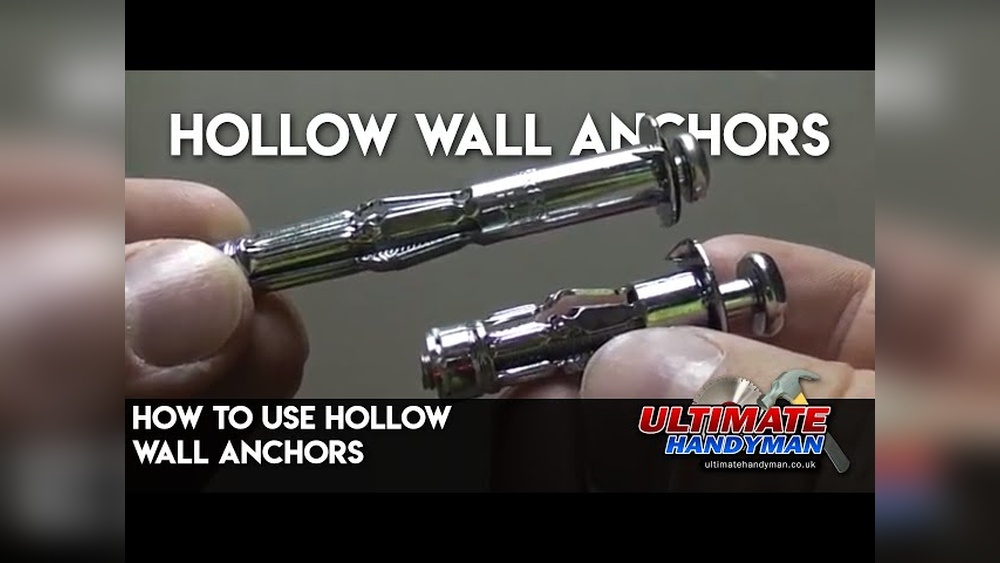
Expansion anchors use pressure to grip the concrete. They expand as you tighten the bolt. This expansion locks the anchor inside the hole. Best for medium loads and solid concrete walls.
Sleeve Anchors
Sleeve anchors have a metal sleeve around the bolt. Tightening the bolt expands the sleeve against the hole. They provide strong holding power. Suitable for light to medium loads on concrete or brick.
Wedge Anchors
Wedge anchors are heavy-duty anchors. They have a wedge-shaped end that locks into concrete. Tightening pulls the wedge tight inside the hole. Ideal for heavy loads and structural applications.
Chemical Anchors
Chemical anchors use resin or epoxy glue inside the hole. Insert the bolt, and the adhesive hardens to hold it tightly. Works well in cracked or weak concrete. Perfect for high-strength and permanent fixing.

Credit: www.amazon.com
Tools And Materials Needed
Anchoring into a concrete wall requires the right tools and materials. These help you work safely and get strong, lasting results. Prepare all items before starting. This saves time and prevents mistakes.
Drill And Drill Bits
A power drill is essential for making holes in concrete. Use hammer drills for best results. Choose drill bits designed for concrete. Carbide-tipped masonry bits work well. Pick the correct size for your anchors. Sharp, good-condition bits make drilling easier.
Anchors And Screws
Select anchors that fit your project’s needs. Plastic expansion anchors suit light loads. Metal anchors hold heavier weights. Match screws to anchors for a tight fit. Check length and thickness carefully. Use corrosion-resistant screws for outdoor use.
Measuring Tools
Accurate measurements ensure precise anchor placement. Use a tape measure to mark spots. A pencil or marker helps make clear marks. A level checks if your marks are straight. Double-check measurements before drilling holes.
Safety Gear
Protect yourself during drilling. Wear safety glasses to shield your eyes. Use ear protection to reduce noise. Gloves protect your hands from rough surfaces. A dust mask prevents inhaling concrete dust. Safety first for a smooth job.
Preparing The Wall
Preparing the wall is an important first step before anchoring into concrete. A well-prepared wall ensures a strong, secure hold. It helps avoid mistakes and saves time during installation. Follow these simple steps to get the wall ready for anchoring.
Selecting The Right Spot
Choose a spot on the wall that is solid and free of cracks. Avoid areas near edges or corners, as they may be weaker. Look for a flat surface without any loose material. Check for hidden pipes or wires to prevent damage.
Marking Drill Points
Measure carefully and mark the exact points where you will drill. Use a pencil or marker that shows clearly on concrete. Make sure the marks are level and spaced correctly for your anchors. Double-check your measurements before drilling.
Cleaning The Surface
Remove dirt, dust, and loose particles from the marked spots. Use a brush or vacuum to clean the area well. A clean surface helps the anchor stick better and hold tight. Avoid drilling into wet or damp concrete.
Drilling The Hole
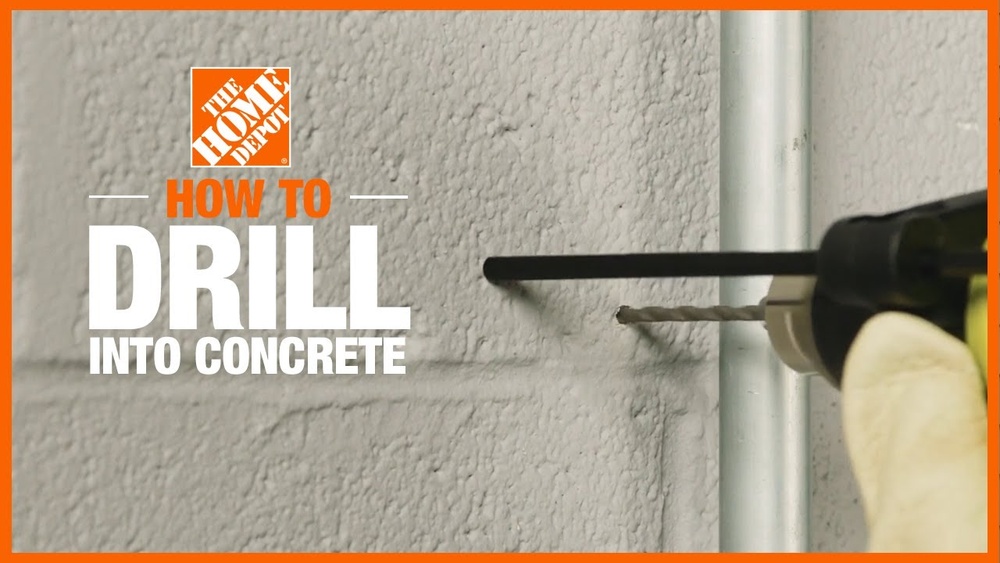
Drilling the hole is a key step when anchoring into a concrete wall. It creates the space needed for the anchor to fit securely. Proper drilling ensures the anchor holds strong and lasts long. Using the right tools and methods makes this task easier and safer.
Choosing The Correct Drill Bit
Select a drill bit made for concrete, usually a carbide-tipped masonry bit. The bit size must match the anchor diameter exactly. Using a wrong size can weaken the hold or damage the wall. Check the anchor packaging for the recommended drill bit size.
Drilling At The Right Depth
Mark the required depth on your drill bit with tape. This prevents drilling too shallow or too deep. Drill slowly and steadily to reach the marked depth. Avoid pushing too hard to keep the hole clean and precise.
Clearing Dust And Debris
After drilling, remove dust and debris from the hole. Use a vacuum or blow air into the hole to clean it. A clean hole helps the anchor grip better and improves safety. Repeat the cleaning if needed before inserting the anchor.
Installing The Anchor
Installing an anchor into a concrete wall requires careful steps to ensure a strong hold. This process helps secure objects safely to the wall. Follow these steps closely for the best results.
Inserting The Anchor
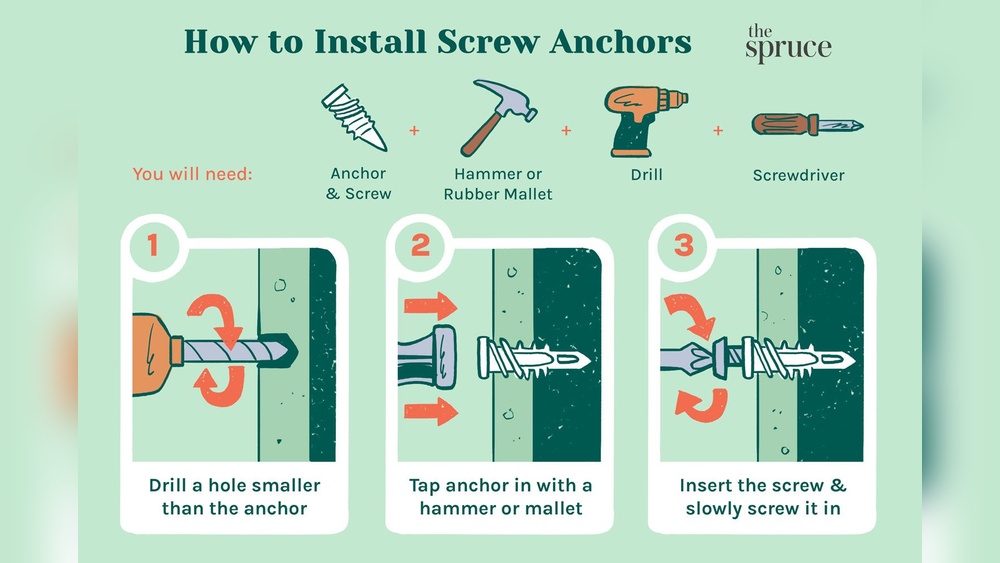
Start by cleaning the drilled hole of dust and debris. Use a brush or compressed air to clear it fully. Next, take the anchor and gently push it into the hole. Tap lightly with a hammer if it is tight. Make sure the anchor sits flush with the wall surface.
Securing The Anchor Properly
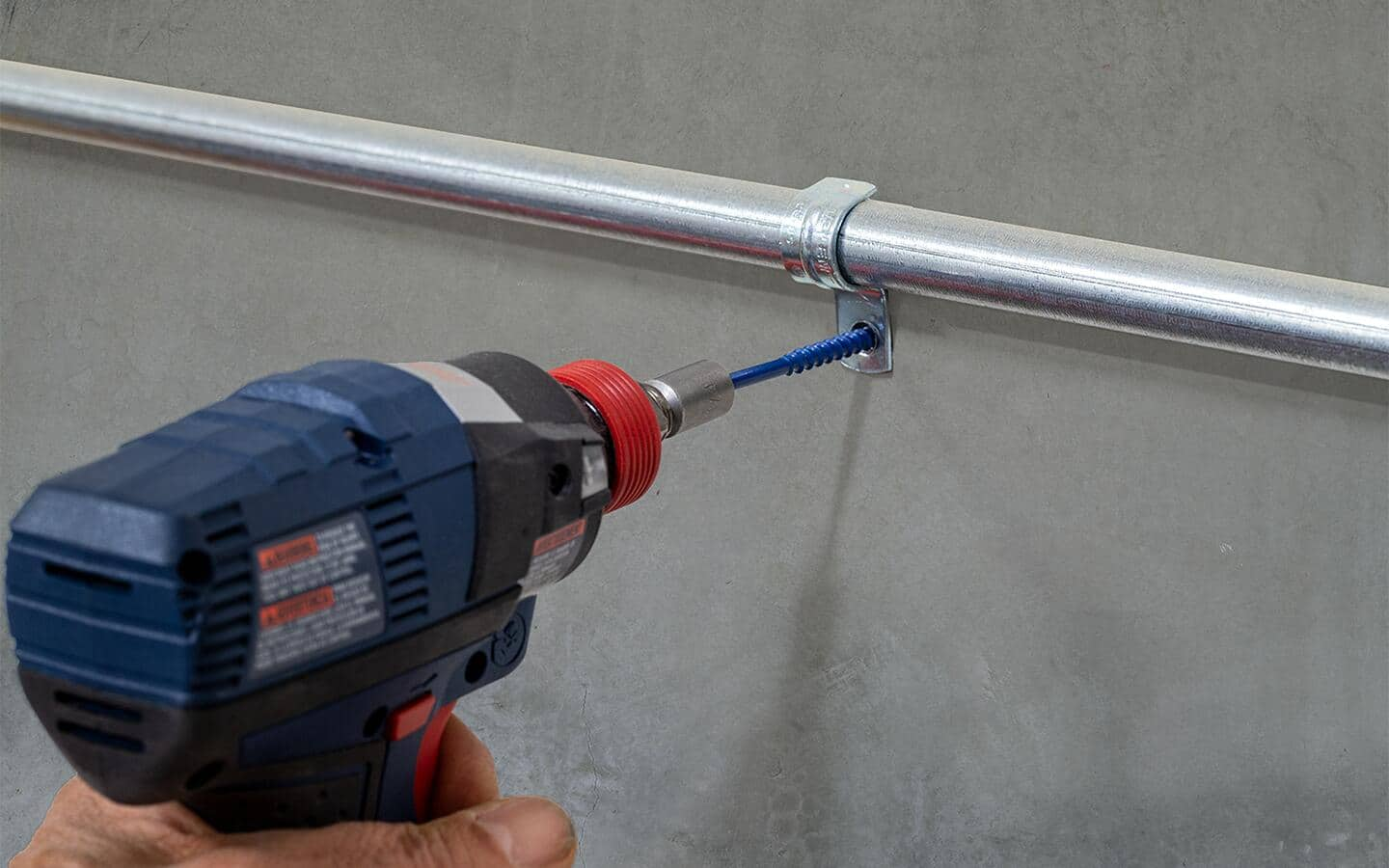
After placing the anchor, insert the screw or bolt into it. Turn the screw clockwise to tighten. Do not overtighten; this can damage the anchor or wall. The anchor should expand inside the hole, gripping the concrete firmly.
Checking Stability
Once the anchor is secured, test its strength. Pull gently on the attached object or screw. It should feel solid without any movement. If loose, remove and try a larger anchor or drill a new hole.

Credit: www.youtube.com
Tips For Strong Fixings
Strong fixings ensure your anchors hold tight in concrete walls. Proper techniques prevent damage and increase safety. Follow these tips for long-lasting, secure anchoring.
Avoiding Common Mistakes
Do not drill holes too large or too small. Use the correct drill bit size for the anchor. Clean dust from the hole before inserting the anchor. Avoid over-tightening screws to prevent cracking the concrete. Place anchors away from edges to avoid breaking the wall.
Using The Right Anchor For The Load
Choose anchors based on the weight they must hold. Light items need plastic or nylon anchors. Heavy items require metal anchors or wedge bolts. Check the anchor’s weight rating before use. Match the anchor size to the screw and hole diameter.
Maintaining Your Anchors
Inspect anchors regularly for rust or loosening. Tighten screws if they become loose over time. Replace damaged anchors immediately to keep fixings secure. Keep the area around the anchor clean and dry. Proper care extends the life of your fixings.
Frequently Asked Questions
What Tools Do I Need To Anchor Into A Concrete Wall?
You need a drill with a masonry bit, anchors, screws, a hammer, and a screwdriver. Safety goggles and gloves are also essential.
How Do I Choose The Right Anchor For Concrete?
Select anchors based on weight load, wall thickness, and anchor type. Common choices include sleeve, wedge, and sleeve anchors.
Can I Anchor Into Old Or Cracked Concrete Walls?
Anchoring in old or cracked concrete is possible but less secure. Always inspect the wall and use heavy-duty anchors if needed.
What Is The Proper Drilling Technique For Concrete Walls?
Use a hammer drill at a steady speed. Drill to the anchor’s depth and clear debris from the hole before installing.
Conclusion
Anchoring into a concrete wall is easier than it seems. Choose the right anchor for your project. Drill carefully and clean out the hole well. Insert the anchor firmly to ensure a strong hold. Tighten the bolt without overdoing it.
These steps help your items stay safe and secure. Practice makes perfect, so try on small projects first. Soon, you will feel confident handling bigger tasks. Stay patient and work with care every time. Solid anchors keep your work sturdy and lasting.