Have you ever stopped to wonder exactly how high a light switch should be installed? It might seem like a small detail, but the right height can make a big difference in your daily comfort and convenience.
Whether you’re fixing up your home, planning a renovation, or just curious, knowing the standard height helps you avoid awkward reaches and ensures easy access for everyone. Keep reading, and you’ll discover the ideal light switch height, why it matters, and tips to get it just right for your space.

Credit: www.reddit.com
Standard Light Switch Heights
Standard light switch heights help create comfort and safety in homes. They ensure switches are easy to reach for most people. Builders follow these heights to keep things consistent across rooms. Knowing these standards can help with home projects or repairs.
Switch height also matters for people with disabilities. Proper height makes a big difference for accessibility. It keeps the home friendly and usable for everyone.
Typical Height Measurements
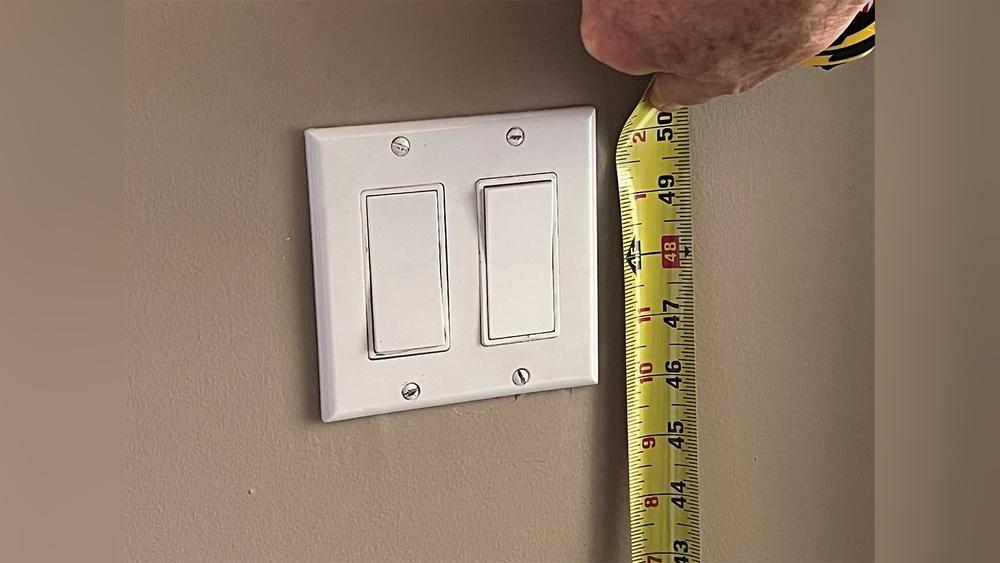
The common height for light switches is about 48 inches from the floor. This is the measurement from the floor to the center of the switch. It suits most adults and children above five years old. Some switches may be placed as low as 44 inches or as high as 52 inches. This small range still meets basic comfort and safety needs.
Regional Variations
Different countries and regions may have their own standards. In the United States, 48 inches is the usual height. In Europe, the height can be slightly lower, around 42 to 45 inches. Some regions follow local building codes that adjust these numbers. It is important to check local rules before installing switches. This ensures the switch height matches local expectations and laws.
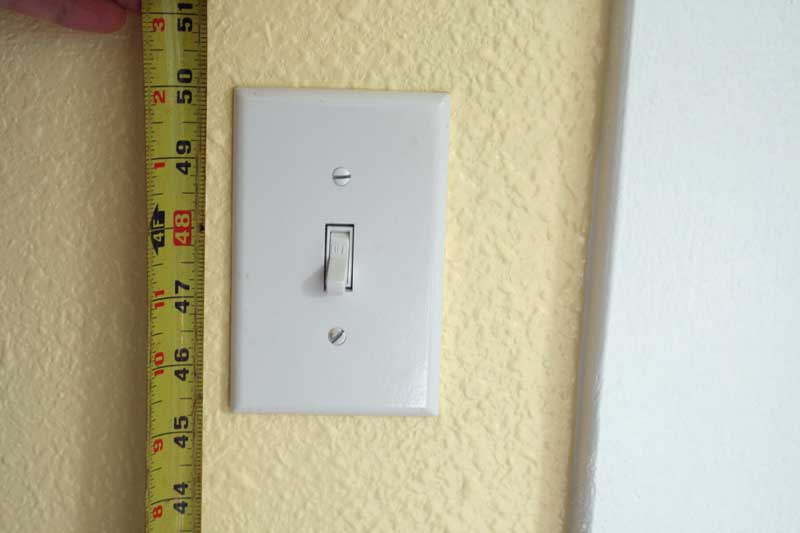
Credit: www.protoolreviews.com
Factors Influencing Switch Height
Several factors determine the height of a light switch in homes and buildings. Choosing the right height helps ensure safety and convenience. Different rules and needs affect this choice. Understanding these factors can guide proper installation.
Building Codes And Regulations
Building codes set rules for light switch height. These rules vary by region and building type. Codes often require switches to be between 42 and 48 inches from the floor. Following these rules keeps buildings safe and legal. Inspectors check switch height during building reviews.
Accessibility Requirements
Accessibility needs influence switch height. Switches must be easy to reach for everyone. This includes children, elderly, and people with disabilities. The Americans with Disabilities Act suggests switches be no higher than 48 inches. Lower heights, around 36 inches, may be used in accessible rooms. This makes switches usable for wheelchair users.
Room Function And Layout
The function of a room affects switch height choice. In kitchens, switches might be higher to avoid spills. Bedrooms often have switches near the door at a standard height. Hallways need switches reachable without stretching. Furniture placement also matters. Switches should not be blocked or hard to reach.
Accessibility And Ada Guidelines
Accessibility in homes and public spaces is crucial for everyone’s comfort. The Americans with Disabilities Act (ADA) sets clear rules for light switch placement. These rules ensure that people with disabilities can use switches easily. Proper switch height is a key part of this.
Following ADA guidelines helps create a space that is safe and usable for all. It also supports independence for people with mobility challenges. Knowing the right switch height makes a big difference.
Switch Heights For Disabled Access
The ADA requires light switches to be 48 inches or less above the floor. This height allows wheelchair users to reach switches comfortably. In some cases, the minimum height can be 15 inches. This range ensures switches are within easy reach for most people.
Switches should also avoid being placed too low or too high. Consistent height helps everyone find and use switches quickly. Placement near doorways is common and recommended.
Best Practices For Inclusive Design
Designing with accessibility in mind benefits all users. Place switches at a standard height between 15 and 48 inches. Use large, easy-to-operate switches with clear labels. Avoid obstacles that block access to switches.
Consider the needs of children, elderly, and people with disabilities. Simple design choices make spaces welcoming and practical. Following ADA guidelines is a step toward inclusive environments.
Installation Tips For Light Switches
Installing a light switch is a simple task that needs care. Correct height and placement help everyone use the switch easily. Follow these tips to install your light switch safely and neatly. Small steps make a big difference in your project.
Measuring And Marking
Start by measuring the height for the switch. The standard height is about 48 inches from the floor. Use a tape measure to mark this spot on the wall. Mark clearly with a pencil to avoid mistakes. Double-check measurements before cutting or drilling.
Tools And Materials Needed
Gather all tools before starting. You will need a screwdriver, voltage tester, wire stripper, and drill. Also, have the light switch, electrical box, and screws ready. Safety gear like gloves and goggles protect you during work. Organize tools in one place for easy reach.
Common Mistakes To Avoid
Do not forget to turn off the power at the breaker box. Avoid placing the switch too low or too high. Do not strip wires too much; this can cause shorts. Avoid loose connections; tighten screws well. Check for proper grounding to prevent shocks.
Customizing Switch Heights
Customizing switch heights makes your home more comfortable and safe. Standard switch height is about 48 inches from the floor. This height suits most adults but may not work for everyone. Changing switch height helps meet special needs and fits unique spaces. It also improves access for children and people with disabilities. Small changes can make a big difference in daily life.
Adjustments For Children
Children need switches at lower heights. Switches placed around 36 inches allow easy reach. Kids can turn lights on and off by themselves. This helps teach responsibility and independence. It also reduces accidents by avoiding the need to climb or stretch. Lower switches make rooms kid-friendly and safe. Parents should think about switch height in playrooms and bedrooms.
Switches In Unique Spaces
Some spaces need special switch heights. In kitchens, switches may be higher to avoid water spills. In basements, switches might be placed near stairs for easy access. Hallways and garages also benefit from switch placement at convenient spots. Outdoor switches often need to be higher to avoid damage. Custom heights fit the room’s use and safety needs. Consider the space before installing switches.
:max_bytes(150000):strip_icc()/measuring-electrical-outlet-height-1821556-06-b960a41f86664f03b648797767b113af.jpg)
Credit: www.thespruce.com
Comparing Light Switch Heights To Other Fixtures
Light switches have a standard height, but other fixtures differ in placement. Comparing these heights helps create a balanced and functional space. Knowing the typical heights for outlets, thermostats, and control panels improves room design and usability.
Outlet Heights
Outlets usually sit lower than light switches. The standard height is about 12 to 18 inches from the floor. This low position makes it easy to plug in appliances and devices. Outlets near countertops or desks may be higher for convenience.
Thermostat And Control Panel Placement
Thermostats and control panels are placed at eye level. This is typically 48 to 60 inches from the floor. This height allows easy reading and adjustment without bending. Placing controls higher helps keep them visible and accessible.
Frequently Asked Questions
How High Is A Standard Light Switch Installed?
A standard light switch is typically installed 48 inches (4 feet) above the floor. This height ensures easy access for most adults and complies with common building codes.
Why Is Light Switch Height Important?
Light switch height is important for accessibility and safety. Proper placement makes switches easy to reach and use for everyone, including children and people with disabilities.
Are There Different Light Switch Heights For Homes?
Yes, switch heights can vary based on regional codes and user needs. However, 48 inches is the most common height in residential settings.
Can Light Switch Height Be Customized?
Yes, light switch height can be customized to suit specific needs. For example, lower heights help children or wheelchair users access switches comfortably.
Conclusion
A light switch usually sits about 48 inches from the floor. This height makes it easy for most people to reach. It fits well in homes and offices. Remember, some places may have different rules. Always check local building codes if unsure.
A well-placed switch helps in daily life. It keeps your space safe and convenient. Small details like this matter a lot. Simple, clear, and useful. That’s the key.