Have you ever noticed your brake lights acting strangely or not turning on at all? Your brake light switch might be the culprit.
This small but important part helps keep you and others safe on the road by signaling when you press the brake pedal. If it’s failing, it can lead to dangerous situations or even a traffic ticket. You’ll learn the key signs to watch for and simple ways to check if your brake light switch is bad.
Keep reading to protect yourself, your passengers, and everyone else driving nearby.

Credit: www.youtube.com
Brake Light Switch Basics
The brake light switch is a small device with a big job. It controls the brake lights on your vehicle. This switch tells the lights to turn on when you press the brake pedal. It helps drivers behind you know when you are slowing down or stopping. Understanding the basics of this switch can help you spot problems early.
Knowing the role and types of brake light switches makes it easier to check if yours is bad. Below, we explain these key points clearly.
Role In Vehicle Safety
The brake light switch plays a key role in road safety. It signals other drivers when you press the brake. This helps prevent accidents by warning them to slow down. It also works with some car systems like cruise control and anti-lock brakes. A faulty switch can cause brake lights to fail, increasing accident risk.
Common Types
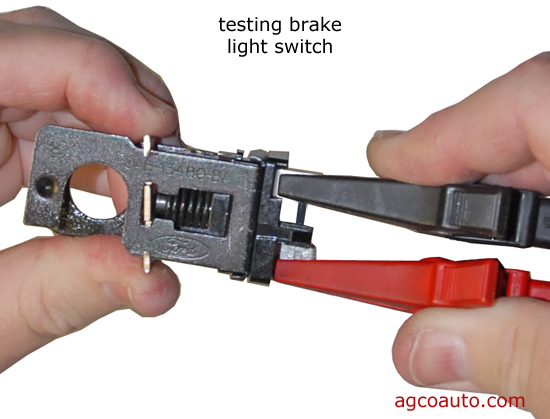
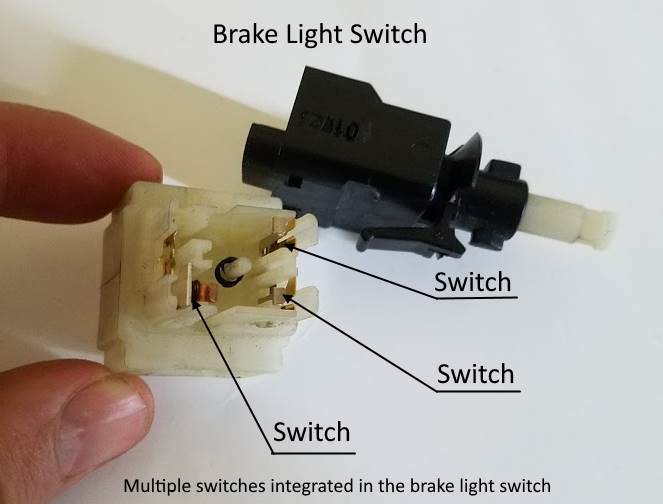
There are mainly two types of brake light switches. The first is the plunger type, which activates when the brake pedal moves. The second is the magnetic type, which uses sensors to detect pedal movement. Both types perform the same function but work differently. Knowing your switch type helps in diagnosing issues and finding replacements.
Credit: www.agcoauto.com
Symptoms Of A Faulty Brake Light Switch
The brake light switch is a small but important part of your vehicle. It tells your brake lights when to turn on and off. When this switch goes bad, it causes problems that affect safety and driving comfort. Knowing the symptoms helps you spot the issue early.
Some signs are easy to notice. Others might seem like unrelated car troubles. Understanding these symptoms can save you time and money on repairs.
Brake Lights Not Illuminating
One clear sign is when brake lights do not turn on. Press the brake pedal, but the lights stay off. This can confuse drivers behind you and cause accidents. It also means your brake light switch may be failing.
Brake Lights Staying On
Brake lights that stay on constantly are another symptom. They should only light up when you press the pedal. If they stay bright, it drains your battery. This problem can also mean the brake light switch is stuck or broken.
Cruise Control Issues
The brake light switch helps turn off cruise control. A bad switch can stop this from happening. Your car might not exit cruise control when you press the brakes. This issue makes driving unsafe and uncomfortable.
Gear Shift Problems
Some cars need the brake light switch to change gears. A faulty switch can block the gear shift from moving. This stops you from driving or parking your car properly. It signals that the switch needs fixing right away.
Simple Tests To Check The Switch
Testing a brake light switch does not need to be hard. Simple checks can show if the switch works or not. These tests help find problems early. You can do them with basic tools. Below are easy steps to check the switch.
Visual Inspection
Start by looking at the brake light switch. Check for dirt, cracks, or broken parts. Look at the wires and connectors. Make sure nothing is loose or corroded. Clean any dirt gently. Replace the switch if you see damage.
Continuity Test With A Multimeter
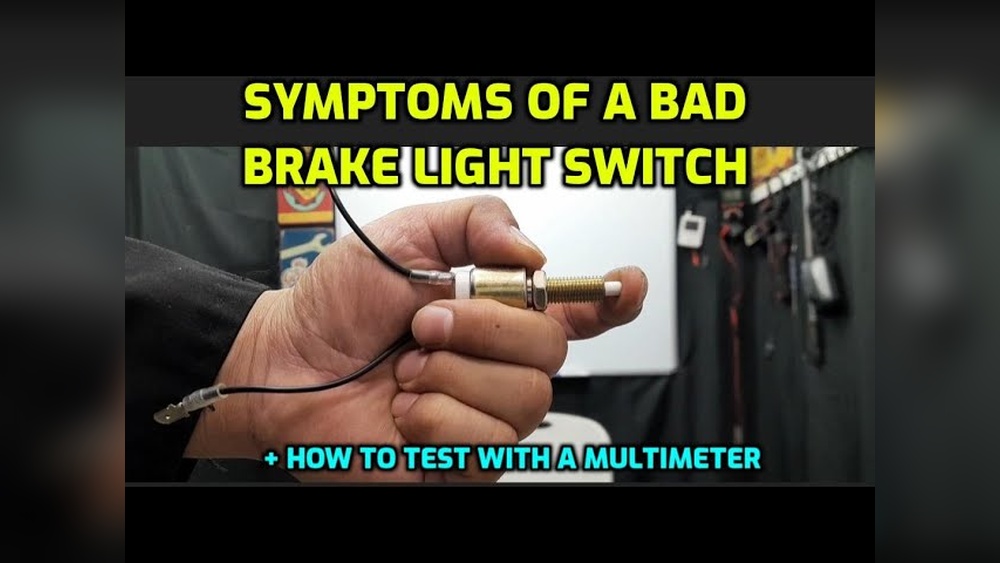
Use a multimeter to test if the switch allows electricity through. Set the multimeter to the continuity setting. Disconnect the switch from the wiring. Touch the multimeter leads to the switch terminals. Press the brake pedal. The meter should beep or show zero resistance. No beep means the switch is bad.
Brake Pedal Activation Test
Press the brake pedal and watch the brake lights. Have a helper check the lights at the back. The lights should turn on as soon as you press the pedal. If the lights stay off or flicker, the switch may be faulty. Adjust or replace the switch if needed.
Tools Needed For Diagnosis
Diagnosing a bad brake light switch requires some basic tools. These tools help check if the switch works properly. Using the right tools makes the job easier and more accurate. This section covers the essential tools you need for diagnosis.
Multimeter
A multimeter tests the electrical function of the brake light switch. It measures voltage, current, and resistance. This helps find if the switch has power and if it sends the right signal. A digital multimeter is easy to use and gives clear readings.
Set the multimeter to measure continuity or resistance. Connect the probes to the switch terminals. If the multimeter shows no continuity when the brake pedal is pressed, the switch may be faulty.
Basic Hand Tools
Basic hand tools help remove and inspect the brake light switch. You need screwdrivers and pliers for this task. A socket wrench set may be necessary to reach tight spaces.
These tools allow safe and easy access to the switch. Having the right hand tools saves time and avoids damage to other parts. Keep them handy before starting the diagnosis.
When To Replace The Brake Light Switch
Knowing when to replace the brake light switch is important for safe driving. This small part controls your brake lights and signals to drivers behind you. A bad switch can cause safety problems or fail vehicle inspections. Watch for signs that show the switch is wearing out. Acting early can prevent bigger issues and keep your car working well.
Signs Of Wear And Damage
Brake lights that do not turn on or stay on can indicate switch problems. You might notice brake lights flickering or not responding at all. A switch can wear out from regular use or get damaged by dirt and moisture. Physical damage or loose connections are clear signs of a bad switch. If pressing the brake pedal does not light up the brake lights, check the switch. Strange noises when pressing the pedal can also mean trouble.
Impact On Vehicle Performance
A faulty brake light switch can cause safety hazards on the road. Other drivers may not know when you are stopping. This increases the risk of rear-end collisions. The switch also affects cruise control and ABS systems in some cars. Malfunctions may lead to warning lights on your dashboard. Ignoring a bad switch can lead to failed vehicle inspections. Replacing it quickly restores proper function and safety.
Diy Replacement Steps
Replacing a brake light switch yourself can save time and money. The process is simple and needs only basic tools. Follow these clear steps to replace the switch safely and correctly.
Locating The Switch
The brake light switch is near the brake pedal. Look above the pedal arm under the dashboard. It is a small device with wires attached. Make sure your car is off before you start.
Removing The Old Switch
Disconnect the battery to avoid electrical shocks. Unplug the wires connected to the switch. Use a wrench or screwdriver to loosen the switch. Pull it out gently without forcing it.
Installing The New Switch
Insert the new switch in the same spot. Tighten it securely but do not over-tighten. Reconnect the wires to the new switch. Check that the switch moves when pressing the pedal.
Testing After Replacement
Reconnect the battery and turn on the car. Press the brake pedal and check if the brake lights work. Test multiple times to ensure consistent operation. Fix any issues before driving.
Preventing Future Switch Problems
Preventing future problems with your brake light switch saves time and money. It helps keep your car safe and working properly. Simple steps can stop issues before they start. Regular checks and good habits make a big difference.
Regular Maintenance Tips
Check the brake light switch every few months. Look for loose parts or worn wires. Clean the switch gently to remove dirt and dust. Use a soft cloth and mild cleaner. Avoid water or harsh chemicals that damage the switch. Test the lights after maintenance to ensure they work. Replace the switch if it shows signs of wear.
Avoiding Common Mistakes
Do not ignore warning signs like flickering brake lights. Avoid heavy pressure on the brake pedal that can strain the switch. Do not use the wrong type of switch for your car. Avoid DIY fixes without proper knowledge. Always follow the car manual for switch care. Poor habits lead to switch failure and safety risks.
Credit: www.youcanic.com
Frequently Asked Questions
What Are Common Signs Of A Bad Brake Light Switch?
Common signs include brake lights not turning on, staying on constantly, or intermittent lighting. It may also cause cruise control issues or prevent the car from starting.
How Can I Test If My Brake Light Switch Is Faulty?
You can test it by pressing the brake pedal and checking if the brake lights illuminate. Use a multimeter to check continuity in the switch as well.
Can A Bad Brake Light Switch Affect Vehicle Safety?
Yes, a faulty brake light switch can cause brake lights to malfunction. This increases the risk of accidents due to poor communication with other drivers.
How Much Does It Cost To Replace A Brake Light Switch?
Replacement costs typically range from $20 to $100 for parts. Labor fees can vary depending on the vehicle and mechanic.
Conclusion
A bad brake light switch can cause safety issues and car problems. Testing the switch is simple and quick. Watch for brake lights that don’t turn on or stay on all the time. Replace the switch if it shows signs of damage or failure.
Regular checks keep your car safe and avoid costly repairs. Stay alert to small signs before they become big problems. Taking action early protects you and others on the road. Keep your brake light switch in good shape for safe driving.