Are you struggling to hang something heavy on your wall without worrying it will fall? Knowing how to put screw wall anchors in can make all the difference.
These simple tools hold your screws firmly in place, giving you the confidence to mount shelves, pictures, or hooks securely. In this guide, you’ll learn easy, step-by-step tips to get the job done right the first time. Keep reading, and you’ll discover how to turn any wall into a strong, reliable support for your belongings.

Credit: www.youtube.com
Choosing The Right Wall Anchor
Choosing the right wall anchor is very important for a strong hold. The wrong anchor can cause your item to fall or damage the wall. Different anchors work better on different walls and for different weights. Understanding these basics helps you pick the best anchor for your project.
Types Of Wall Anchors
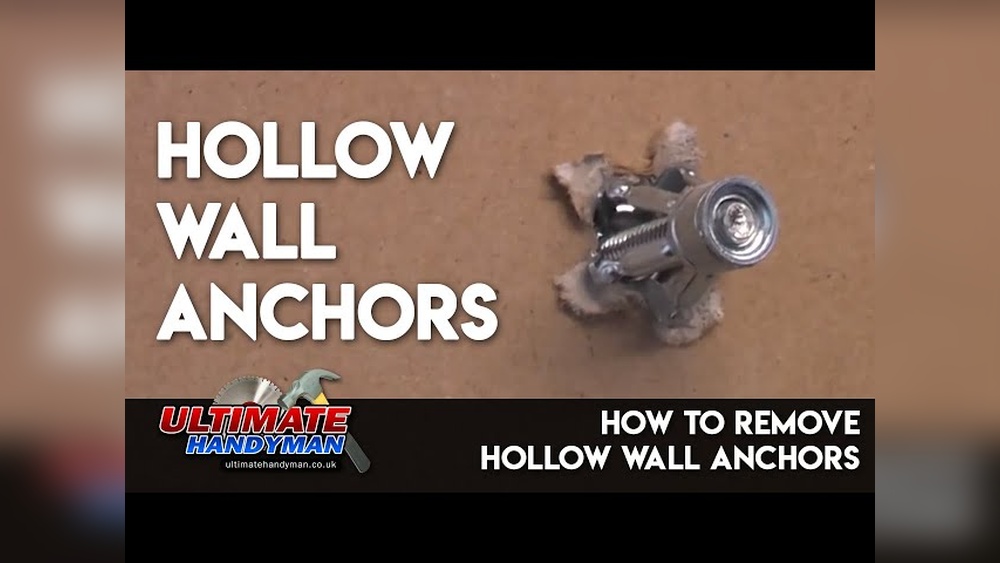
There are many types of wall anchors. Plastic expansion anchors are common for light loads and drywall. They expand as the screw is driven in. Toggle bolts work well for heavy loads in hollow walls. They spread the load behind the wall. Molly bolts also expand inside the wall for medium loads. Screw-in anchors are easy to use on drywall or plaster.
Matching Anchors To Wall And Load
Choose anchors based on your wall type and the object’s weight. Drywall needs anchors that grip inside the hollow space. Concrete or brick walls need anchors that go deep and hold tight. Light items need smaller anchors. Heavy items need strong anchors like toggle bolts or molly bolts. Always check the weight limit on the anchor package. This helps keep your installation safe and secure.
:max_bytes(150000):strip_icc()/how-to-use-and-discard-anchor-screws-1822671-002-04-4963da18c2674e6bbf07e5fc07d5b4f0.jpg)
Credit: www.thespruce.com
Gathering Tools And Materials
Gathering the right tools and materials is the first step to install screw wall anchors properly. Having everything ready saves time and avoids mistakes. This helps you work faster and safer.
Prepare your workspace before starting. Clear the area and make sure you have good light. Check your wall type to choose the right anchor. Now, let’s look at the essential tools and safety gear needed.
Essential Tools
You need a drill with the correct drill bit size. A screwdriver or drill with a screwdriver bit is important to insert anchors. A hammer helps tap anchors gently into the wall. A tape measure measures anchor placement accurately. A pencil marks spots on the wall where you drill. A level ensures anchors are straight and even. These tools make the job easier and precise.
Safety Gear
Wear safety goggles to protect eyes from dust and debris. Gloves protect your hands from sharp edges and splinters. A dust mask keeps you from inhaling wall dust. Closed-toe shoes protect feet from falling tools or materials. Safety gear helps you avoid injuries and work with confidence. Never skip safety steps for better results.
Preparing The Drywall Surface
Preparing the drywall surface is the first step to secure screw wall anchors properly. A clean, well-marked spot helps the anchor hold strong. Taking time here avoids mistakes and damage. Follow simple steps to get ready for drilling and anchoring.
Locating The Spot
Find the exact place on the drywall where the anchor will go. Use a stud finder to avoid drilling into studs. Anchors work best in drywall, not in wood behind it. Choose a spot away from electrical wires and pipes for safety. Check the wall for any bumps or damage. The surface should be flat and dry.
Marking The Drill Point
Mark the drill point clearly with a pencil. Make a small dot where the anchor will be placed. Use a level to keep marks straight if hanging multiple items. Avoid large or dark marks that can confuse the drill. A light, precise mark guides the drill bit exactly. This helps to drill clean holes without slipping.
Drilling The Pilot Hole
Drilling the pilot hole is a key step in installing screw wall anchors. The hole guides the anchor into the wall properly. A well-drilled hole ensures the anchor fits tightly and holds weight securely.
This step requires attention to detail. The wrong hole size or poor drilling can cause the anchor to fail. Taking time here helps the entire project go smoothly.
Choosing Drill Bit Size
Select a drill bit that matches the anchor size. The hole should be slightly smaller than the anchor’s outer diameter. This gives the anchor a snug fit.
Check the anchor package for recommended drill bit sizes. Use the exact size for best results. Too large a hole makes the anchor loose. Too small makes it hard to insert.
Drilling Tips For Clean Holes
Mark the drilling spot clearly with a pencil. Hold the drill steady and start slowly. Drill straight into the wall, not at an angle.
Pause occasionally to clear dust from the hole. This keeps the hole clean and prevents the drill from overheating. Clean holes help anchors grip better.
Use a drill with adjustable speed. Lower speeds work better for drywall and plaster. Higher speeds suit wood and masonry.
Installing The Wall Anchor
Installing a wall anchor is a key step for hanging items securely. The anchor holds the screw in place inside the wall. This keeps your pictures, shelves, or mirrors from falling. The process varies slightly depending on the type of anchor you use.
Inserting Plastic Anchors
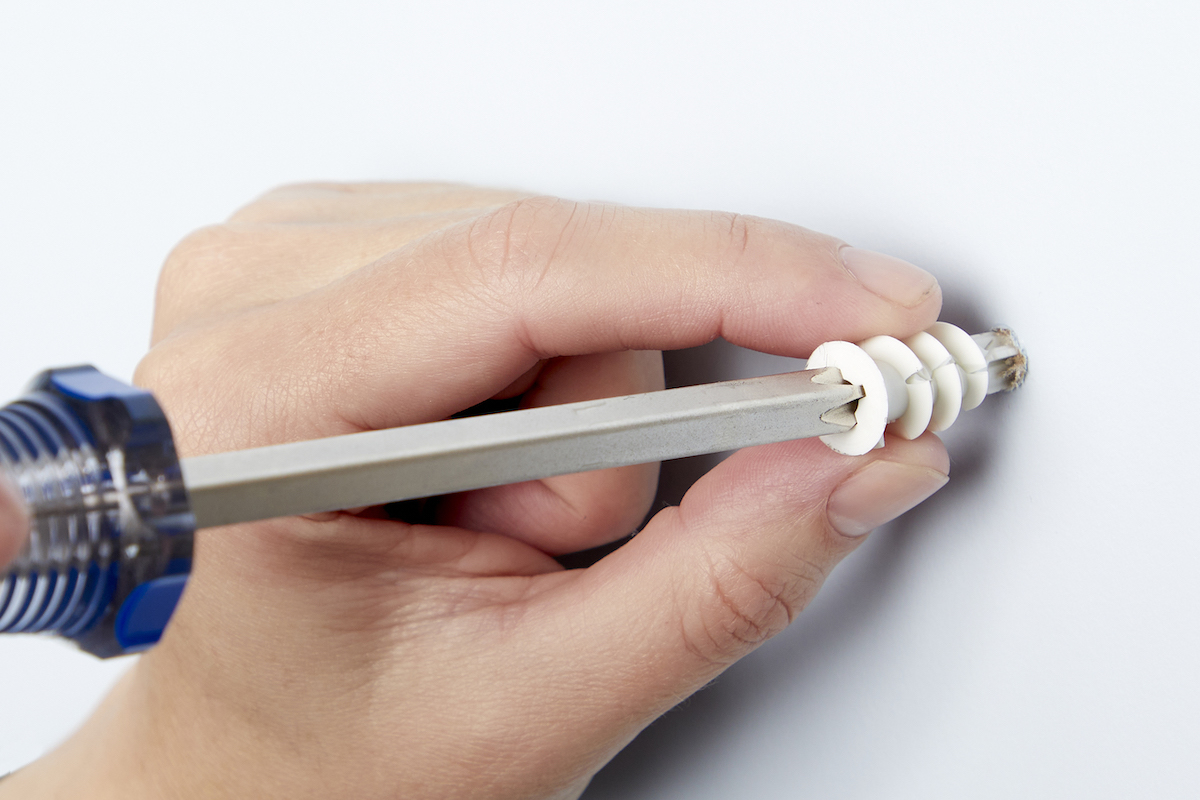
Start by drilling a hole the same size as the anchor. Push the plastic anchor gently into the hole. Tap it lightly with a hammer if needed. The anchor should fit snugly and sit flush with the wall. Screw into the anchor slowly, letting it expand inside the wall. This creates a strong hold for your item.
Using Toggle Bolts
Drill a hole large enough for the toggle to pass through. Thread the bolt through your item’s mounting hole. Attach the toggle to the bolt’s end. Push the toggle through the hole until it opens behind the wall. Pull the bolt back gently to lock the toggle in place. Tighten the bolt to secure your item firmly.
Setting Metal Anchors
Drill a pilot hole slightly smaller than the metal anchor. Insert the anchor into the hole by hand. Use a hammer to tap it flush with the wall surface. Screw into the anchor carefully to expand it inside the wall. The metal anchor grips tightly to support heavier items.
Credit: www.bobvila.com
Securing The Screw
Securing the screw properly is key to a strong hold. It makes sure the anchor works well and supports the weight. A loose or wrong screw can cause damage or failure. Follow these steps to secure the screw safely and firmly.
Selecting The Correct Screw
Choose a screw that fits the anchor size. It should be long enough to go through the object and into the anchor. Avoid screws that are too short or too thick. The wrong screw can break the anchor or not hold tight.
Check the package or instructions for recommended screw size. Match the screw type to the material you are fastening. Use metal screws for metal anchors and wood screws for wood anchors.
Driving The Screw Properly
Start by placing the screw straight into the anchor hole. Use a screwdriver or drill with the right bit size. Turn the screw slowly and steadily.
Do not over-tighten. Stop when the screw feels snug and the object is secure. Over-driving can strip the anchor or damage the wall. Under-tightening leaves the screw loose and unstable.
Testing Anchor Strength
Testing anchor strength is a key step after installing screw wall anchors. It ensures the anchor holds well and supports weight safely. This step helps avoid accidents and damage.
Applying Load Gradually
Start by adding a small weight to the anchor. Increase the weight little by little. Watch how the anchor responds each time. This slow process checks if the anchor stays firm. Avoid sudden heavy loads that can cause failure.
Signs Of Secure Installation
The anchor should not wiggle or move in the wall. The screw must stay tight without turning or loosening. No cracks or damage should appear around the anchor. If all these signs are clear, the anchor is secure.
Common Mistakes To Avoid
Installing screw wall anchors sounds simple, but many make common mistakes. These errors can weaken the hold or damage the wall. Avoiding these mistakes ensures a strong, secure fit for your screws. Learn what to watch out for to get the best results.
Overdrilling Holes
Drilling holes too large is a frequent problem. A hole bigger than the anchor lets it move or fall out. This reduces the anchor’s grip on the wall. Always match the drill bit size to the anchor size. Drill slowly and stop as soon as the hole fits the anchor snugly.
Using Wrong Anchor Types
Not all anchors suit every wall type or weight. Using plastic anchors in heavy-duty jobs is risky. Some anchors work only in drywall, others in concrete or brick. Pick an anchor designed for your wall material and the load you expect. Using the wrong type can cause the anchor to fail quickly.
Frequently Asked Questions
What Tools Do I Need To Install Screw Wall Anchors?
You need a drill, drill bit, screwdriver, and the wall anchors. A hammer may help for some anchor types. Choose the drill bit size according to the anchor’s instructions for a perfect fit.
How Do I Choose The Right Size Wall Anchor?
Select an anchor size based on the screw size and wall thickness. Larger anchors hold more weight. Always match the anchor size with the screw size for secure installation.
Can I Use Wall Anchors On Drywall Only?
Wall anchors work best on drywall but can also be used on plaster or hollow walls. Avoid using them on solid concrete or brick without special anchors designed for masonry.
How Deep Should I Drill For Screw Wall Anchors?
Drill a hole slightly deeper than the anchor length. This ensures the anchor fits completely inside the wall for maximum grip and stability.
Conclusion
Putting screw wall anchors in is simple with the right steps. Start by choosing the correct anchor size for your wall and screw. Drill a hole carefully and insert the anchor firmly. Then, screw in slowly to keep the anchor tight.
These anchors help hang items securely without damage. Practice makes the process easier and faster. Remember to check your work for safety. This method keeps walls strong and your items safe. Try it yourself and see how well it holds.