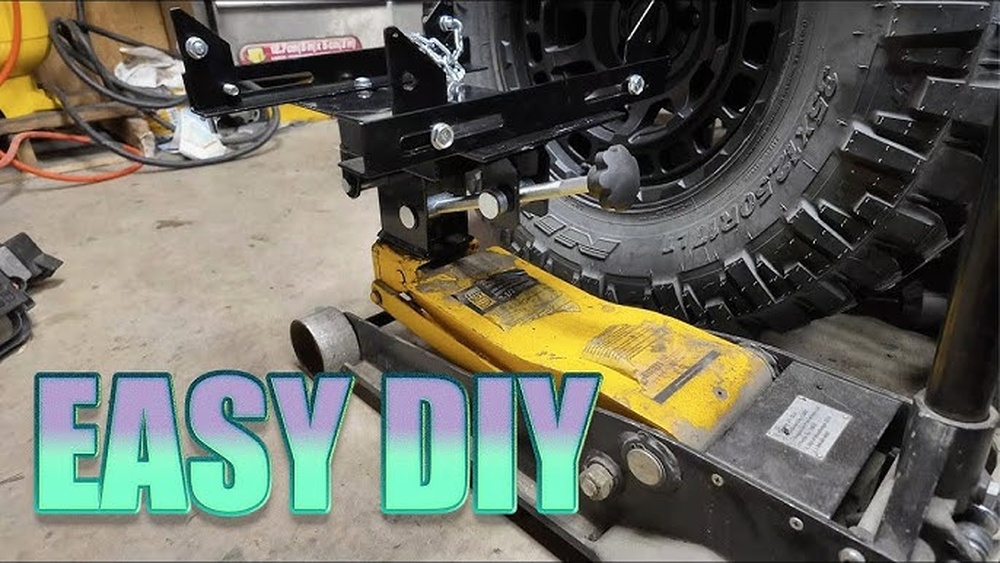
Have you ever struggled with lifting your car or heavy equipment using a floor jack? Knowing how to turn a floor jack correctly can save you time, effort, and even prevent accidents.
You’ll discover simple steps that make operating your floor jack safer and more efficient. Whether you’re a beginner or just want to improve your technique, these tips will help you handle your jack like a pro. Keep reading, and you’ll gain the confidence to lift with ease every time.
Choosing The Right Floor Jack
Choosing the right floor jack is important for safe and easy lifting. The right jack makes your work faster and protects your vehicle. Picking a jack depends on your needs, the type of vehicle, and the tasks you do. Understanding different types, weight limits, and safety features helps you decide well.
Types Of Floor Jacks
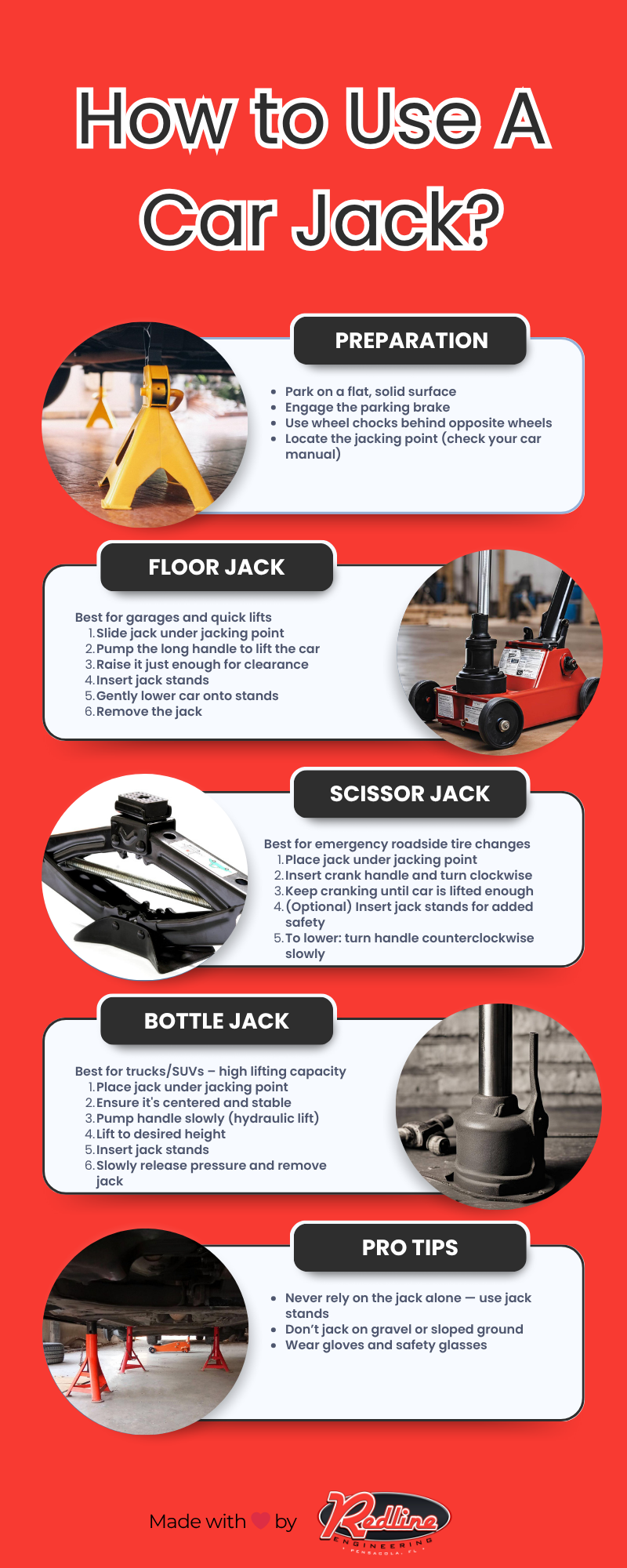
There are several types of floor jacks. The most common is the hydraulic floor jack. It uses fluid to lift heavy loads smoothly. Another type is the scissor jack, which is smaller and lighter. It works well for small cars and emergencies. Bottle jacks are strong and compact but need more space under the car. Choose a type that fits your vehicle and storage space.
Weight Capacity Considerations
Every floor jack has a weight limit. This limit tells you the heaviest load the jack can lift. Always pick a jack with a higher weight capacity than your vehicle. It gives a safety margin and prevents accidents. Check the weight of your car before buying a jack. Lifting too heavy a load can damage the jack or cause it to fail.
Safety Features To Look For
Safety is key when using a floor jack. Look for jacks with strong locking mechanisms. These prevent the jack from slipping while lifting. A wide base adds stability and stops tipping. Some jacks have safety valves to avoid overloading. Non-slip pads protect your vehicle and improve grip. These features keep you and your car safe during use.
Credit: www.redlinestands.com
Preparing Your Workspace
Preparing your workspace is an important step before using a floor jack. It helps keep you safe and makes the job easier. Taking time to set up a clean and secure area can prevent accidents. It also ensures the vehicle stays steady while you work.
Clearing The Area
Remove all objects near the vehicle. Toys, tools, or debris can cause trips or falls. A clean space gives you room to move freely. It also helps you see what you are doing clearly. Keep pets and children away from the workspace.
Securing The Vehicle
Park the vehicle on a flat, solid surface. Avoid soft ground or sloped areas. Put the car in park or gear. Engage the parking brake to stop any movement. Double-check that the vehicle does not roll before jacking it up.
Using Wheel Chocks
Place wheel chocks on the wheels that stay on the ground. They stop the vehicle from rolling. Use chocks on both sides of the tires. Check that they fit tightly against the tires. This adds an extra layer of safety during lifting.
Positioning The Floor Jack
Positioning the floor jack correctly is key for safety and success. Placing it in the right spot helps lift the vehicle steadily. Wrong placement can cause slips or damage. Take time to find the best spot before lifting.
Knowing where to set the jack makes the job easier and safer. Follow these steps to position your floor jack properly.
Locating Jack Points
Jack points are strong spots made to hold the jack. Check your vehicle’s manual for exact locations. These points are often near the wheels or under the frame. Avoid soft areas like the bumper or floor panels. Using the correct jack point prevents damage and keeps the car stable.
Aligning The Jack Properly
Place the jack saddle directly under the jack point. Make sure it sits flat and centered. Align the jack so it lifts straight up without tilting. A crooked jack can slip and cause accidents. Double-check alignment before raising the vehicle.
Operating The Floor Jack
Operating a floor jack is simple but requires care. It lifts heavy vehicles safely for repairs or checks. Knowing the right steps helps avoid accidents and damage. Follow these clear instructions to use the jack properly.
Pumping The Handle
Start by placing the jack under the vehicle’s lift point. Hold the handle firmly. Pump the handle up and down smoothly. Each pump raises the jack slightly. Keep pumping until the jack touches the vehicle’s frame securely.
Raising The Vehicle
Once the jack contacts the vehicle, continue pumping the handle. The vehicle will begin to lift slowly. Stop when the vehicle reaches the needed height. Avoid lifting too high to keep stability. Never crawl under a vehicle without support stands.
Monitoring Stability
Check the jack’s position often. The jack should stay steady and not wobble. Look for any slipping or movement of the vehicle. Use wheel chocks on the opposite wheels to prevent rolling. Always keep your work area safe and stable.
Lowering The Vehicle Safely
Lowering a vehicle safely is a key step after using a floor jack. It prevents damage and keeps you safe. Taking your time and following the right steps helps the process go smoothly.
Focus on control and caution. The vehicle should come down slowly. Avoid sudden drops or quick movements. This keeps the car stable and protects the jack from damage.
Releasing The Pressure Valve
Start by finding the pressure release valve on the jack. Turn it slowly to let the pressure out. This step lowers the jack’s height gently. Moving too fast can cause the vehicle to drop suddenly.
Controlling The Descent
Hold the jack handle firmly. Turn the valve slowly to control the drop speed. Watch the vehicle as it lowers. Stop if you see any wobbling or shifting. Safe lowering means steady and smooth movement.
Removing The Jack
Once the vehicle is on the ground, remove the jack carefully. Pull it away straight to avoid any damage. Store the jack in a dry, safe place. This keeps it ready for the next use.
Maintenance Tips For Floor Jacks
Maintaining a floor jack keeps it safe and reliable. Regular care helps the jack last longer. Follow simple tips to keep your tool in top shape.
Regular Inspection
Check the jack before each use. Look for cracks, leaks, or rust. Test the lifting mechanism for smooth movement. Replace worn or damaged parts immediately. Inspect the hydraulic fluid level regularly. Low fluid can cause poor performance.
Lubrication And Cleaning
Keep the moving parts well-lubricated. Use light machine oil on joints and wheels. Clean dirt and debris after every use. Wipe the jack with a dry cloth. Avoid water to prevent rust. Proper lubrication reduces wear and tear.
Storage Recommendations
Store the floor jack in a dry place. Avoid damp or humid areas to stop rust. Lower the jack fully before storing. Cover it with a cloth or plastic sheet. Keep it away from heavy objects. Proper storage ensures long-lasting performance.
Common Mistakes To Avoid
Using a floor jack can be simple, but mistakes can cause trouble. Avoiding common errors helps keep you safe and protects your vehicle. Knowing what not to do makes the job easier and faster.
Overloading The Jack
Each floor jack has a weight limit. Putting too much weight on it can cause the jack to fail. This can lead to sudden drops or damage. Always check the jack’s capacity before use. Never try to lift more than the maximum load.
Ignoring Safety Precautions
Safety should be the top priority when using a floor jack. Not using jack stands or working on uneven ground can cause accidents. Always work on a flat surface and use stands to support the vehicle. Wear gloves and eye protection to avoid injuries.
Improper Jack Placement
Placing the jack in the wrong spot can damage your car. It can also make the vehicle unstable and dangerous. Find the correct lifting points in your car’s manual. Position the jack firmly under these points before lifting. Check stability before raising the vehicle.

Credit: www.youtube.com

Credit: www.tunet.cult.cu
Frequently Asked Questions
How Do You Safely Operate A Floor Jack?
To operate a floor jack safely, position it under the vehicle’s lifting point. Pump the handle steadily to raise. Never go under the vehicle without secure jack stands. Always work on a flat, stable surface to prevent slipping or accidents.
What Are The Basic Steps To Turn A Floor Jack?
Start by placing the jack under the lifting point. Pump the handle to raise the load. To lower, turn the release valve slowly counterclockwise. Always ensure the vehicle is stable before fully lowering the jack.
How Do You Turn The Release Valve On A Floor Jack?
Locate the release valve knob near the handle base. Turn it slowly counterclockwise to lower the jack. Turning it too fast can cause sudden drops. Always control the descent for safety.
Why Is It Important To Turn The Floor Jack Slowly?
Turning the jack slowly prevents sudden drops and potential damage. A controlled descent keeps you safe and protects the vehicle. Quick release can cause instability or accidents during lowering.
Conclusion
Turning a floor jack is easier than it seems. Follow safety steps carefully each time. Always place the jack on a flat surface. Use the handle to pump smoothly and steadily. Check the jack’s stability before lifting any load. Practice helps you feel more confident and safe.
Keep your tools clean and well maintained. Now, you are ready to use your floor jack properly. Simple tips make a big difference in your work. Stay safe and work smart every time you lift.