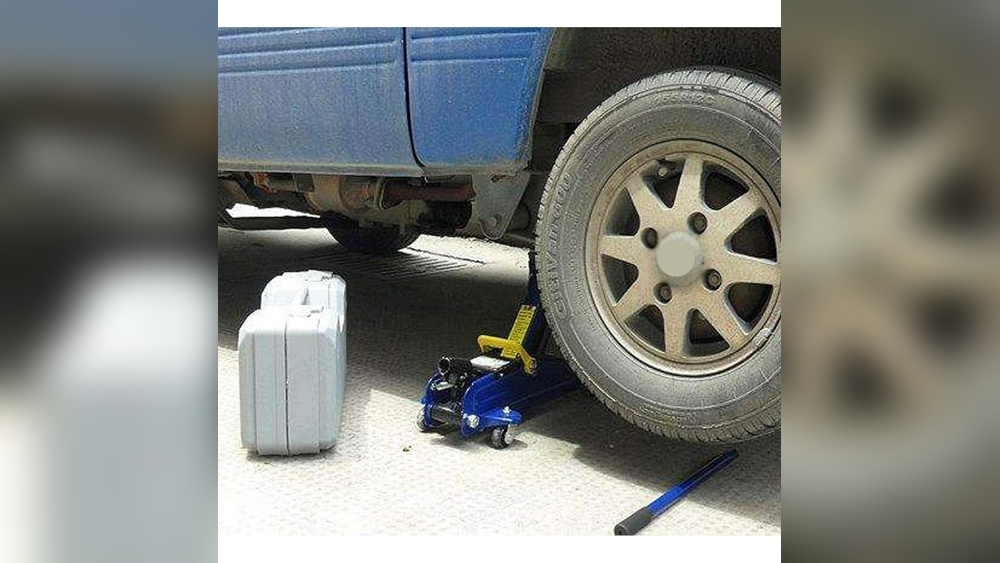
If you own a van, knowing how to use a floor jack can save you time, money, and frustration. Whether you’re changing a tire or doing basic maintenance, using a floor jack safely and effectively is key.
In this guide, you’ll discover simple steps to lift your van with confidence. By the end, you’ll feel ready to tackle those tasks yourself—no need to wait for help or expensive repairs. Keep reading to learn how to make your van maintenance easier and safer.

Credit: www.amazon.com
Choosing The Right Floor Jack
Choosing the right floor jack is important to safely lift your van. The right jack makes the job easier and prevents damage. Consider the type, weight capacity, and size before buying. This ensures the jack fits your needs and van size.
Types Of Floor Jacks
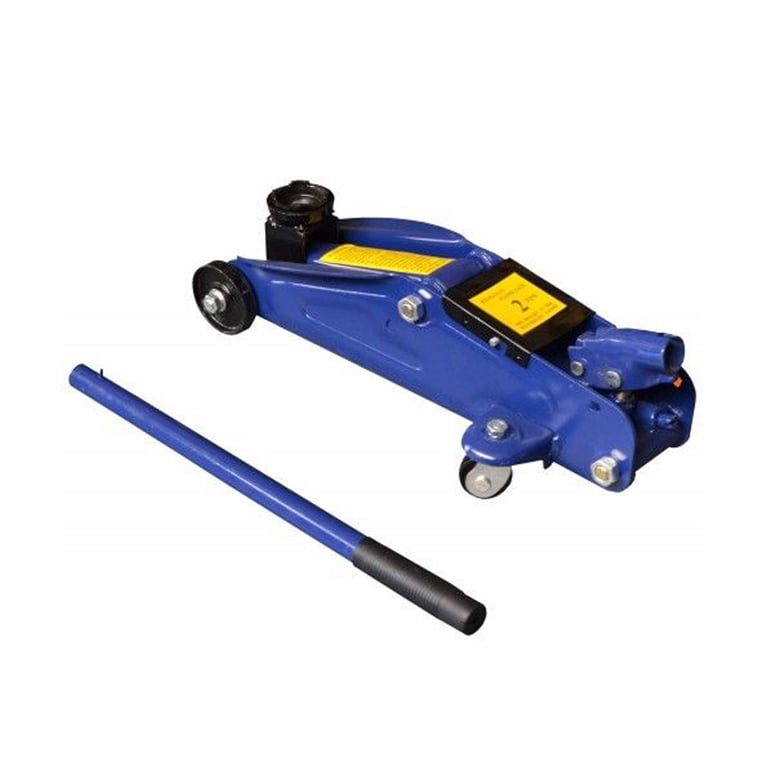
There are several types of floor jacks. A hydraulic floor jack uses fluid to lift heavy loads smoothly. A bottle jack is compact and strong but taller. A scissor jack is lightweight and simple, usually for emergency use. Choose a type that suits your van and workspace.
Weight Capacity Considerations
Check the weight capacity before buying a floor jack. Your jack must lift your van safely without strain. Most vans weigh between 3,000 and 6,000 pounds. Pick a jack with a capacity higher than your van’s weight. This ensures safety and prevents jack failure.
Size And Portability
Size matters for storage and use. A smaller jack is easy to carry and store. Large jacks offer more stability and lifting power. Think about where you will use and store the jack. Choose one that fits your space and is easy to move.

Credit: www.youtube.com
Preparing Your Van For Lifting
Preparing your van for lifting is a vital step before using a floor jack. This process ensures safety and stability during the lift. Taking the time to prepare properly helps prevent accidents and damage to your vehicle. Below are key actions to take before lifting your van.
Selecting A Stable Surface
Always place your van on a flat, hard surface. Avoid soft ground like dirt or grass. A stable surface keeps the jack steady and prevents slipping. Concrete or asphalt driveways are ideal. Check the area for debris or uneven spots that could cause instability.
Engaging The Parking Brake
Engage the parking brake firmly before lifting. This stops the van from rolling. Double-check that the brake holds the vehicle in place. A secure parking brake adds an extra layer of safety during the lifting process.
Chocking The Wheels
Use wheel chocks to block the wheels that stay on the ground. Place chocks on both sides of at least one wheel. This prevents the van from moving sideways or rolling forward. Wheel chocks are simple but essential safety tools for lifting.
Locating Safe Jack Points
Knowing where to place the floor jack on your van is very important. Using the wrong spot can cause damage or be unsafe. Learning to find the safe jack points helps you lift the van without harm.
Each van has specific spots made to hold its weight. These spots keep the van steady while lifted. Finding these points makes the job easier and safer.
Manufacturer’s Recommendations
Check the van’s manual for jack point locations. The maker designs these spots to hold the van’s weight safely. Manuals often show pictures or diagrams of the points. Follow these guides closely to avoid damage.
Using the recommended points keeps the van balanced. It stops the jack from slipping or bending parts. Always trust the manufacturer’s advice over guesses.
Common Jacking Locations On Vans
Most vans have strong metal areas near the wheels. These areas are often under the frame or rocker panels. The frame rails run along the van’s sides and are good for jacking.
Look for flat, solid spots under the van. Avoid uneven or rusty parts. These common points hold the van steady during lifting.
Avoiding Damage-prone Areas
Stay away from thin metal panels or plastic parts. These can bend or break under the jack’s weight. Avoid jacking near fuel tanks, brake lines, or electrical wires.
Never place the jack on the van’s bodywork like doors or panels. Damage here can be costly and unsafe. Choose strong, flat spots designed to hold weight.
Step-by-step Lifting Process
Lifting a van with a floor jack requires careful steps to ensure safety and success. This process involves positioning the jack correctly, pumping the handle smoothly, and checking stability all through the lift. Follow these clear steps to lift your van securely and avoid any accidents.
Positioning The Floor Jack
Place the floor jack on a flat, solid surface near the van. Find the van’s lifting point, usually marked in the owner’s manual or near the frame. Align the jack’s saddle directly under this lifting point. Make sure the jack sits firmly without tilting. Proper positioning is key to a safe lift.
Pumping The Handle Safely
Start pumping the handle slowly and steadily. Use smooth, even strokes to raise the van. Avoid rushing or jerking the handle. Stop pumping if you feel resistance or hear unusual sounds. Keep your hands clear of moving parts for safety.
Checking Stability During Lift
Pause often to check the van’s balance on the jack. The van should remain steady and not wobble. Look for any shifts or movements under the vehicle. If the van leans or feels unstable, lower it carefully and reposition the jack. Safety is the top priority throughout the lift.
Securing The Van After Lifting
Securing the van after lifting is vital for safety. A lifted van can be unstable and dangerous. Taking extra steps to secure it helps prevent accidents. This part explains how to keep the van steady and safe.
Using Jack Stands Correctly
Place jack stands under strong points of the van. These points are usually near the frame. Lower the van slowly onto the stands. Make sure the stands hold the weight firmly. Never use weak or damaged stands. Check that each stand sits flat on the ground.
Double-checking Stability
After setting the van on jack stands, test its stability. Gently push the van to see if it moves. If it shifts, adjust the stands or the van’s position. Look under the van to ensure no parts are loose. Stability reduces the risk of the van falling.
Never Relying Solely On The Floor Jack
Floor jacks are for lifting, not holding. Do not stay under a van supported only by a jack. Always use jack stands before working underneath. The floor jack can fail or lose pressure. Jack stands provide a safer, more stable hold.
Credit: www.walmart.com
Lowering The Van Safely
Lowering a van safely is a key step after lifting it with a floor jack. This task requires care and patience to avoid accidents. Following the right steps protects you and your vehicle from damage. Keep your focus sharp and move slowly through each action. Safety must always come first when lowering a van.
Removing Jack Stands
Before lowering the van, remove the jack stands carefully. Make sure the van is stable and secure on the stands. Stand clear of the van’s path. Lift the van slightly with the floor jack to take weight off the stands. Then, slowly pull the jack stands out from under the van. Set them aside in a safe place.
Slowly Releasing The Floor Jack
Turn the release valve on the floor jack very slowly. This action lowers the van gently back to the ground. Keep your hands steady and watch the van’s movement closely. Stop if the van moves unevenly or too fast. Slow release prevents sudden drops that could cause injury or damage.
Final Safety Checks
Once the van is on the ground, double-check its stability. Ensure the van rests fully on the tires with no wobbling. Remove the floor jack carefully from under the van. Look around the workspace for any tools or obstacles. Clear the area to avoid tripping or damage later. Confirm everything is safe before moving away.
Common Mistakes To Avoid
Using a floor jack on your van needs care and attention. Avoiding common mistakes keeps you safe and protects your vehicle. Here are some key errors to watch out for.
Overloading The Jack
Every floor jack has a weight limit. Do not lift a van heavier than the jack’s capacity. Overloading can cause the jack to fail or break. Check the van’s weight before starting. Use a jack rated for your van’s size.
Ignoring Surface Stability
Always place the jack on a flat, solid surface. Soft ground or uneven floors can cause the jack to tip over. Avoid gravel, dirt, or slopes. Use a piece of wood or a metal plate if the surface is not stable. This keeps the jack steady and prevents accidents.
Neglecting Safety Precautions
Never skip safety steps during jacking. Always use wheel chocks on the opposite wheels. Wear gloves to protect your hands. Lower the jack slowly and keep clear of the van. Use jack stands to support the van after lifting. Do not rely on the jack alone to hold the van up.
Maintaining Your Floor Jack
Maintaining your floor jack is key to safe and smooth use. A well-kept jack works better and lasts longer. Small efforts in care prevent big problems later. Follow these simple steps to keep your floor jack in top shape.
Regular Inspection Tips
Check your floor jack before every use. Look for cracks, leaks, or broken parts. Test the lifting mechanism for smooth movement. Pay close attention to the wheels and handle. Replace any worn or damaged pieces right away.
Lubrication And Cleaning
Keep the jack clean from dirt and dust. Wipe it down after each use with a dry cloth. Use oil or grease on moving parts to reduce friction. Avoid over-lubricating, which can attract dirt. Clean oil spills immediately to prevent slipping hazards.
Proper Storage Practices
Store your floor jack in a dry, cool place. Avoid leaving it outside or in damp areas. Keep it on a flat surface to avoid oil leaks. Cover the jack with a cloth to protect from dust. Proper storage helps the jack stay ready for use.
Frequently Asked Questions
How Do I Position A Floor Jack Under My Van?
Locate the van’s recommended jack points, usually near the frame. Place the floor jack saddle securely under these points to avoid damage and ensure stability during lifting.
What Safety Precautions Should I Take Using A Floor Jack?
Always use wheel chocks on opposite wheels. Never rely solely on the jack; use jack stands for added support before working under the van.
Can I Use Any Floor Jack For Lifting A Van?
Choose a floor jack rated for your van’s weight. Low-profile jacks work best for vans with limited clearance underneath.
How High Should I Lift My Van With A Floor Jack?
Lift the van just enough to remove the tire or perform maintenance. Overlifting can cause instability and potential accidents.
Conclusion
Using a floor jack on your van is safe and easy with practice. Always place the jack on a flat, strong surface. Position it under the van’s lifting points to avoid damage. Lift slowly and check stability before working. Never go under the van without support stands.
Regular care of your floor jack keeps it working well. With these steps, you can handle simple van repairs yourself. Stay careful and take your time. This skill saves money and keeps your van ready to go.