If you’ve ever tried hanging something heavy on a plaster and lath wall, you know it’s not as simple as drilling a hole and pushing in a nail. Without the right support, your picture frames, shelves, or mirrors could come crashing down.
That’s where plastic wall anchors come in—they provide the strength and stability you need. But how do you install them correctly in plaster and lath walls without causing damage? This guide will walk you through each step, making the process easy and foolproof.
Keep reading to learn how to secure your walls the right way and avoid costly mistakes.
Credit: www.youtube.com
Choosing The Right Anchors
Choosing the right anchors is key to a strong hold in plaster and lath walls. These walls are old and fragile. Using the wrong anchors can cause damage or weak support. Picking suitable anchors ensures your items stay secure and your wall stays intact.
Types Of Plastic Wall Anchors
Plastic wall anchors come in many shapes and sizes. Some common types include expansion anchors, toggle anchors, and self-drilling anchors. Expansion anchors widen inside the wall to grip tightly. Toggle anchors have wings that open behind the wall for extra hold. Self-drilling anchors screw directly into the wall without pre-drilling.
Anchors Suitable For Plaster And Lath
Plaster and lath walls need gentle but firm anchors. Plastic expansion anchors work well if the plaster is thick. Toggle anchors are best for hollow spaces behind the lath. Self-drilling anchors can crack plaster, so use with care. Choose anchors that spread the load and avoid pressure points. This prevents cracks and keeps the wall strong.
Tools And Materials Needed
Installing plastic wall anchors in plaster and lath requires the right tools and materials. Having everything ready helps you work faster and safer. It also ensures the anchors hold well in the wall. This section lists the essential tools and safety gear you need for the job.
Essential Tools
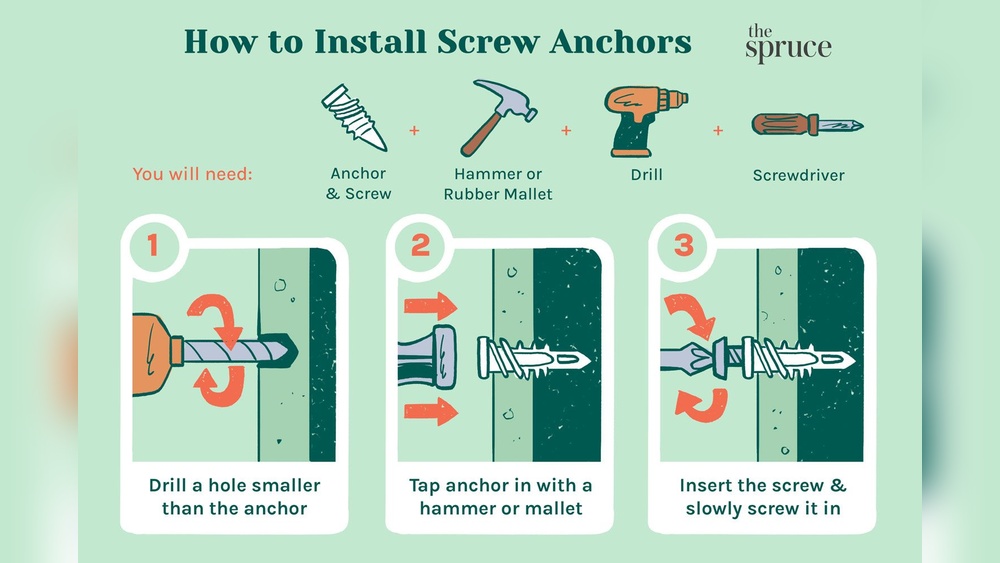
You need a power drill with a masonry bit to make holes in plaster. A hammer helps tap the anchors into place gently. Use a screwdriver to drive screws into the anchors. A tape measure ensures accurate placement of holes. A pencil marks where to drill. A level keeps your installation straight and neat.
Safety Gear
Wear safety goggles to protect your eyes from dust and debris. Use a dust mask to avoid breathing in plaster particles. Gloves protect your hands while handling tools and anchors. Hearing protection is important if you use loud power tools. Dress in old clothes to keep dust off your skin.
Preparing The Wall
Preparing the wall is an important step before installing plastic wall anchors in plaster and lath. Proper preparation helps avoid damage and ensures a secure hold. You need to locate the right spots and mark them clearly. This makes the installation process smoother and safer.
Locating Studs And Avoiding Wiring
Start by finding the wall studs. Studs provide strong support for heavy items. Use a stud finder to locate these wooden beams behind the plaster. Move the finder slowly to get accurate results.
Avoid any electrical wires hidden in the wall. Wires usually run near studs but can vary in position. Turn off power at the breaker to stay safe. Use a wire detector to check before drilling.
Marking Drill Points
After locating studs and wires, mark drill points on the wall. Use a pencil for clear, visible marks. Measure carefully to keep holes level and spaced correctly.
Mark points slightly away from studs for plastic anchors. This ensures the anchors grip the plaster and lath properly. Double-check all marks before drilling to prevent mistakes.
Drilling Pilot Holes
Drilling pilot holes is a key step when installing plastic wall anchors in plaster and lath walls. It helps prevent damage to the wall and ensures the anchor fits securely. Doing this step carefully makes the whole process easier and safer.
Choosing The Right Drill Bit
Select a drill bit slightly smaller than the anchor’s diameter. This size lets the anchor grip the wall tightly. Use a masonry or wood bit, depending on your wall’s material. Sharp bits make cleaner holes and reduce cracking. Avoid large or dull bits that can harm the plaster and lath.
Drilling Techniques For Plaster And Lath
Start drilling slowly to avoid cracking the plaster. Keep the drill steady and straight to make a clean hole. Use light pressure; too much force can break the lath behind the plaster. Drill just deep enough for the anchor. Clear out dust from the hole before inserting the anchor.
Inserting Plastic Anchors
Inserting plastic wall anchors into plaster and lath walls requires care and precision. These anchors provide extra support for screws, especially in older walls where wood lath and plaster can crumble. Proper insertion ensures your anchor holds tight and your mounted object stays secure.
Follow each step carefully for strong, lasting results. Avoid rushing to prevent damage to the wall or anchor.
Proper Placement
Choose the exact spot for the anchor on the plaster surface. Mark the location with a pencil. Use a drill bit sized to the anchor diameter. Drill straight into the plaster and lath, creating a clean hole. Avoid too large or small holes. The hole must fit the anchor snugly without forcing.
Ensuring A Secure Fit
Insert the plastic anchor gently into the hole. Push it in until it sits flush with the wall surface. Tap lightly with a hammer if needed. The anchor should not spin or wiggle. Test the fit by screwing in a screw slowly. The anchor grips the lath and plaster tightly, providing strong support.
Securing Screws
Securing screws into plaster and lath walls needs care. The screws must hold tight without cracking the wall. Using the right screws and proper technique is key. This section guides you through choosing screws and driving them safely.
Selecting Compatible Screws
Choose screws that fit the plastic wall anchors. Usually, screws come with anchor packages. Match the screw size to the anchor’s size. Too large screws can break the anchor. Too small screws won’t hold well.
Use screws made of rust-resistant material. This helps if the wall gets damp. Wood screws often work well for plaster and lath. Avoid drywall screws as they may be too thin.
Driving Screws Without Damaging Wall
Start by placing the screw gently into the anchor. Turn the screw slowly by hand or with a screwdriver. Stop if you feel strong resistance. Over-tightening can crack plaster or break anchors.
Use a drill with low torque if using power tools. Keep the drill speed slow and steady. Let the screw pull the anchor firmly against the wall. The screw should not push the anchor out.
Stop tightening as soon as the screw feels secure. The screw head should sit flush with the anchor. Avoid pushing the screw too deep into the wall. This prevents damage and keeps the anchor strong.
Tips For Durable Installation
Ensuring a strong hold for plastic wall anchors in plaster and lath requires careful steps. Proper installation increases the anchor’s lifespan and prevents damage. Follow simple tips to secure your anchors firmly and safely.
Avoiding Common Mistakes
Choose the right size drill bit for the anchor. Too large a hole weakens the hold. Too small makes inserting the anchor hard. Drill slowly to avoid cracking the plaster. Clean out dust from the hole before inserting the anchor. Do not force the anchor if it feels tight. Gently tap it in to avoid breaking the plaster or lath. Use anchors designed for plaster and lath walls. Regular wall anchors may not hold well in this material.
Maintenance And Inspection
Check anchors regularly for signs of looseness or damage. Tighten screws gently to keep the anchor secure. Avoid over-tightening as it can crack the plaster. If an anchor feels loose, remove it and try a bigger size. Replace damaged anchors quickly to prevent wall damage. Keep the area around the anchor clean and dry. Moisture can weaken plaster and reduce anchor strength.

Credit: www.reddit.com

Credit: www.reddit.com
Frequently Asked Questions
What Tools Are Needed To Install Plastic Wall Anchors?
You need a drill, drill bit, screwdriver, plastic wall anchors, and a hammer. A level and pencil help for accuracy. These tools ensure a secure and precise installation in plaster and lath walls.
How Do You Prepare Plaster And Lath Walls For Anchors?
First, locate the stud or lath gaps. Mark the spot and drill a pilot hole carefully. Avoid cracking plaster by using the correct drill bit size and slow drilling speed.
Can Plastic Anchors Hold Heavy Items On Plaster Walls?
Plastic anchors can hold moderate weight, typically up to 20 pounds. For heavier items, use metal anchors or locate studs for better support. Always check the anchor’s weight rating before installation.
How Deep Should I Drill For Plastic Wall Anchors?
Drill a hole slightly deeper than the anchor’s length. This ensures the anchor fits fully and grips the wall securely. Avoid drilling too deep to prevent wall damage.
Conclusion
Installing plastic wall anchors in plaster and lath can be simple. Follow each step carefully to avoid damage. Choose the right anchor size for your project. Use a drill and screwdriver with steady hands. Check the anchor is secure before hanging anything heavy.
This method helps keep your walls strong and safe. Practice makes perfect, so don’t rush. Soon, you will feel confident in your skills. Enjoy your sturdy, well-supported walls every day.