Have you ever wondered who invented the hook and loop fastener that makes your life so much easier? Whether it’s your favorite sneakers, a backpack, or even your kids’ jackets, this simple yet brilliant invention is everywhere.
But do you know the story behind it? Understanding who created this clever fastener can give you a new appreciation for the everyday items you use. Keep reading, and you’ll discover fascinating facts that might surprise you—and next time you use hook and loop fasteners, you’ll see them in a whole new light.
Credit: www.bondproducts.com
Early Fastening Methods
Before the invention of hook and loop fasteners, people used many ways to join things. These early fastening methods helped hold clothes, shoes, and other items together. Each method had its own style and materials. They show human creativity in solving daily problems.
Ancient Techniques
Long ago, people used ropes, strings, and animal tendons to tie objects. Buttons made from shells or bones appeared in early clothing. Pins and brooches held fabric in place. Leather thongs and wooden toggles fastened garments. These methods were simple but effective for their time.
Limitations Of Traditional Fasteners
Many early fasteners could be hard to use quickly. Buttons required holes and could come loose. Ties and knots took time and skill. Some materials wore out or broke easily. These limits made people want better, faster ways to fasten things.
The Inventor Behind Hook And Loop
The inventor behind hook and loop fastener changed how we use everyday items. This simple invention helps shoes, clothes, and many things stay closed easily. The story of this invention begins with a curious mind and nature’s tiny wonders.
Background Of George De Mestral
George de Mestral was a Swiss engineer. He loved inventing useful tools. In the 1940s, he worked on ways to fix things better. His sharp eyes and patient mind led him to a new idea. He wanted to create a fastener that was simple and strong.
De Mestral was not just an inventor. He was curious about how the world works. His background in engineering helped him turn ideas into real products. This skill made him perfect for inventing hook and loop fasteners.
The Inspiration From Nature
The idea came from nature. One day, de Mestral went for a walk in the woods. He noticed small burrs stuck to his clothes and his dog’s fur. These burrs had tiny hooks that clung tightly to fabric. He studied them under a microscope.
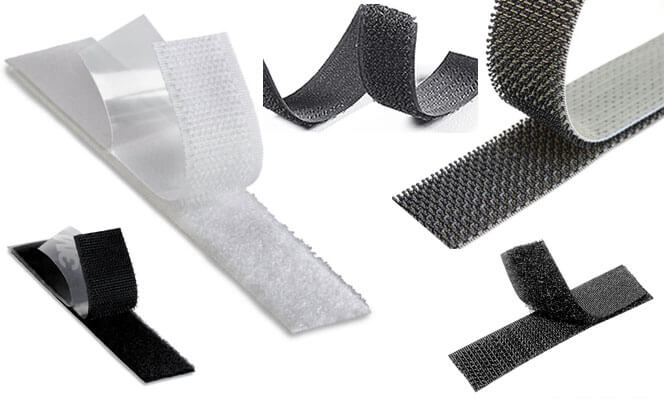
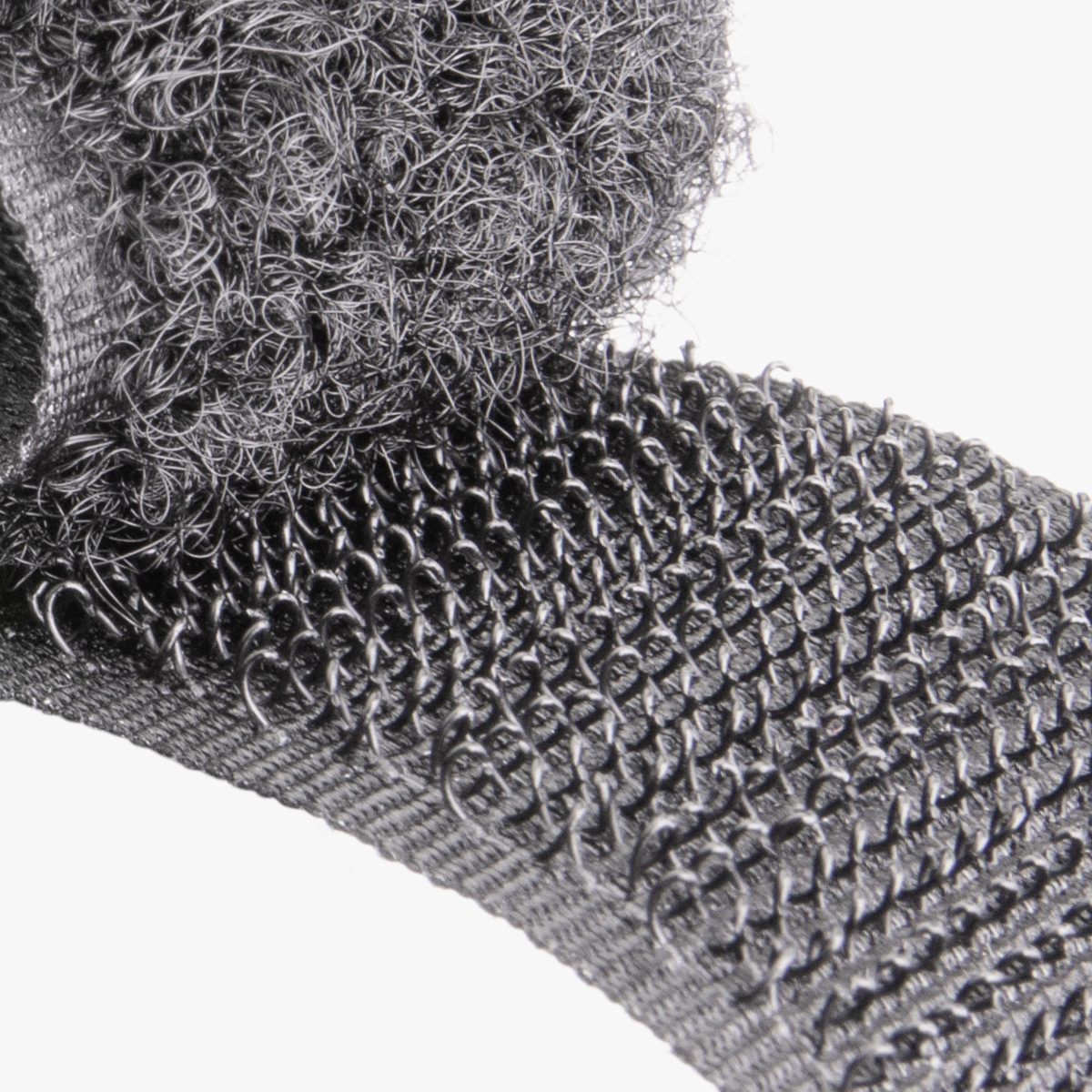
De Mestral saw how the hooks on the burrs grabbed loops in the fabric. This natural design gave him a clear idea. He made two strips of fabric—one with hooks, one with loops. When pressed together, they stuck firmly but could be pulled apart easily.
Development Process
The development process of the hook and loop fastener was a long journey. It started with basic ideas and moved through many tests. The inventor worked hard to create a new kind of fastener. This fastener would be easy to use, strong, and reusable. The process had many steps and lessons.
Initial Experiments
The inventor first studied nature. He noticed burrs sticking to clothes and animals. This simple idea gave him a new direction. He tried to copy the burrs’ hooks and loops. Early tests used different materials and shapes. He tested many combinations to find the best hold. Some worked, but many failed to stay strong. Patience and careful work guided these early experiments.
Challenges And Breakthroughs
Making a fastener that worked well was not easy. The materials had to be strong but flexible. The hooks needed to catch the loops perfectly. Many designs broke or lost grip quickly. The inventor changed materials and weaving methods. Finally, a nylon fabric with tiny hooks and loops worked. This design was simple to make and use. It could be fastened and unfastened many times. This breakthrough led to the product we use today.
Patent And Commercialization
The story of the hook and loop fastener includes important steps like patenting and selling the idea. These steps helped turn a simple invention into a product used worldwide. Understanding how the patent was secured and how the market first reacted shows the journey behind this common fastener.
Securing The Patent
In 1955, Swiss engineer George de Mestral noticed burrs stuck on his clothes. He studied them under a microscope and saw tiny hooks. This idea led him to create the hook and loop fastener. He filed a patent in 1955 and received it in 1958.
The patent protected his invention, stopping others from copying it. This legal step was key to developing and selling the product. Without a patent, the hook and loop fastener might never have reached stores.
Early Market Reception
At first, the fastener faced challenges in the market. People were unsure about the new product. Factories found it hard to produce at low cost. Over time, industries like clothing and shoes began using it.
The fastener gained popularity for its ease and strength. It became useful in sports, medicine, and everyday items. Slowly, the hook and loop fastener found its place in many homes and businesses.
Impact On Various Industries
The invention of the hook and loop fastener has influenced many industries. It made fastening items easier and faster. This simple yet effective tool changed how products are designed and used.
Its impact goes beyond just one field. Various industries found new ways to benefit from this invention. The hook and loop fastener improved convenience, safety, and comfort for users worldwide.
Fashion And Apparel
In fashion, the fastener replaced buttons and zippers in many cases. Designers use it for shoes, jackets, and children’s clothing. It allows quick dressing and undressing, which many people appreciate. The fastener also supports adjustable fits, making clothes more comfortable.
Medical And Healthcare
Hospitals and clinics use hook and loop fasteners widely. They secure bandages, braces, and medical devices easily. The fastener helps patients avoid complicated closures. It also reduces the risk of injury during removal or adjustment.
Sports And Outdoor Gear
Sports equipment benefits greatly from this invention. Athletes use it for gloves, helmets, and protective pads. Outdoor gear like tents and backpacks rely on it for quick setup. The fastener provides strong hold while being easy to open and close.

Credit: www.hookandloop.com
Modern Innovations
Modern innovations have shaped the hook and loop fastener beyond its original form. New materials and creative uses have expanded its reach. These changes make it more useful and durable in many fields.
Material Improvements
Today’s hook and loop fasteners use stronger and lighter materials. These materials resist water, heat, and wear better than before. Some fasteners now have special coatings to avoid damage. This helps them last longer in tough conditions. New fibers improve grip and reduce noise when pulled apart. These upgrades make the fastener safer and more reliable.
New Applications
Hook and loop fasteners now appear in many surprising places. Medical devices use them to secure equipment gently on skin. Sports gear includes them for quick adjustments and comfort. The fashion world adds them to shoes, bags, and clothes for easy use. Even space missions use these fasteners to hold tools in zero gravity. These new roles show how versatile the invention has become.
Fun Facts And Myths
Hook and loop fastener is a simple idea with an interesting past. It has many stories that people find surprising. Some are true, and some are myths. This section looks at fun facts and common myths about who invented it and how it is used. You will learn new and surprising things.
Common Misconceptions
Many think the hook and loop fastener was made a long time ago. Actually, it was invented in the 1940s. A Swiss engineer named George de Mestral created it after noticing burrs stuck to his clothes. Some believe it was made for space or military use first. It was not. It was first used in everyday clothes and shoes.
Another myth is that hook and loop fasteners are weak. They can hold a lot of weight and last long. The design has two parts: hooks and loops. They stick together firmly but open easily when pulled. This makes them very useful and safe.
Surprising Uses
People think hook and loop fasteners are only for clothes. They are used in many other places. Doctors use them for bandages and braces. Pilots use them to hold gear inside planes. Even astronauts use them in space to keep objects from floating away.
In homes, they help organize cables and keep things tidy. Sports players use them on gloves and shoes for a better fit. Artists use hook and loop fasteners to attach tools and materials. The uses go beyond what most people imagine.
Credit: www.velcro.com
Frequently Asked Questions
Who Invented The Hook And Loop Fastener?
The hook and loop fastener was invented by Swiss engineer George de Mestral in 1941. He created it after noticing burrs stuck to his clothes and dog’s fur, inspiring the design of this practical fastening system.
When Was The Hook And Loop Fastener Invented?
The hook and loop fastener was invented in 1941. George de Mestral patented it in 1955 after refining the design and manufacturing process.
How Does Hook And Loop Fastener Work?
The fastener works by interlocking tiny hooks on one side with loops on the other. This creates a secure closure that is easy to open and close repeatedly.
What Materials Are Used In Hook And Loop Fasteners?
Hook and loop fasteners are typically made from nylon or polyester. These materials provide durability, flexibility, and strong holding power for various applications.
Conclusion
George de Mestral invented the hook and loop fastener in 1941. He got the idea from burrs stuck to his clothes after a walk. This simple invention changed how we fasten things every day. You see it in shoes, bags, and clothes worldwide.
The hook and loop fastener saves time and effort. It remains a useful, easy-to-use tool in many homes. Knowing its origin makes us appreciate small ideas that make life easier. A great example of nature inspiring human innovation.