Are you ready to give your cabinets a fresh, stylish upgrade? Knowing exactly how to place hardware on your cabinets can transform the entire look and feel of your kitchen or bathroom.
But getting it right isn’t just about picking pretty knobs or pulls—it’s about positioning them perfectly for both function and style. In this guide, you’ll discover simple tips and tricks that make installation easy and ensure your hardware looks balanced and professional.
Whether you’re a DIY beginner or just want to avoid common mistakes, keep reading to learn how to place cabinet hardware like a pro and elevate your space effortlessly.
Door Hardware Placement
Proper door hardware placement enhances cabinet function and style. It helps doors open smoothly and looks balanced. Correct placement also makes your kitchen or bathroom appear neat and organized. Follow simple rules for each door type to achieve the best results.
Knob Position On Upper Doors
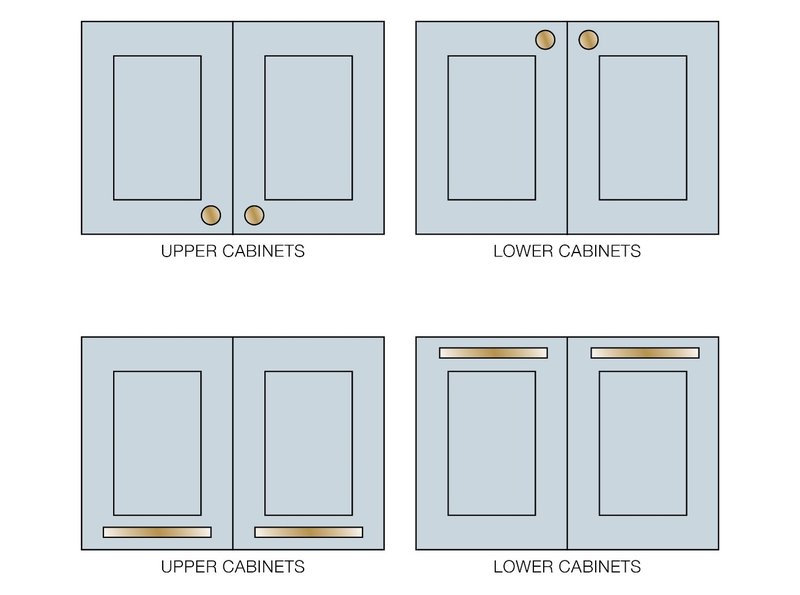
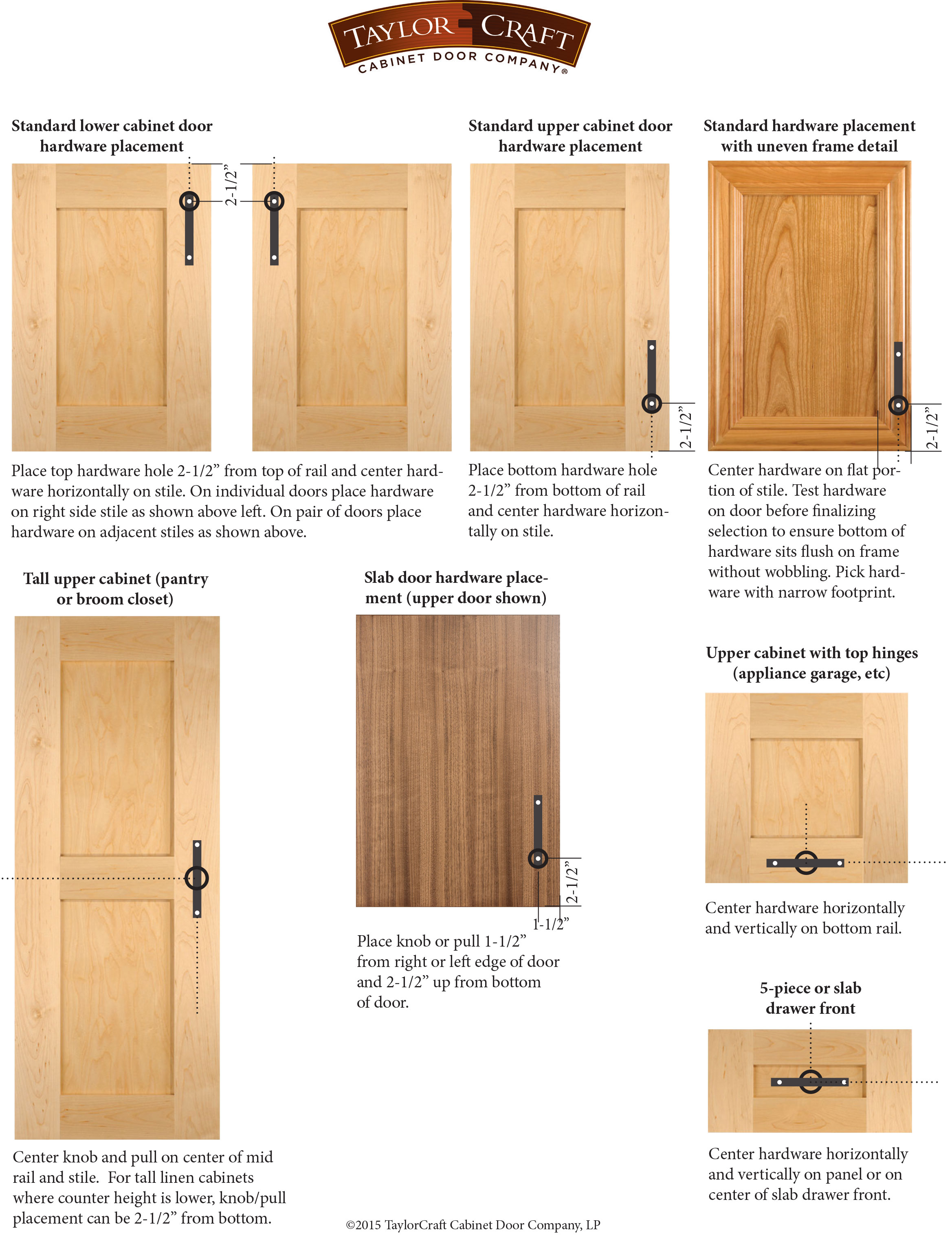
Place knobs on the bottom corner of upper cabinet doors. Choose the corner farthest from the hinges. This position allows easy reach and natural hand movement. Keep the knob about two inches from the door edge. This spacing looks clean and feels comfortable to use.
Knob Position On Lower Doors
For lower cabinet doors, position knobs near the top corner. Again, select the side opposite the hinges. This placement makes opening easier while standing. Keep the knob two inches from the door edge for consistency. This small detail creates harmony across all cabinets.
Pull Placement Styles
Pulls offer more grip and style options. Place vertical pulls along the door’s edge, centered from top to bottom. This is common on tall cabinet doors. Horizontal pulls work well on drawer fronts, aligned with the bottom rail of the door. For a modern look, center pulls within the door panel. Choose pull length about one-third the door width for balance. Test placement with tape before drilling to avoid mistakes.
Credit: www.emtek.com
Drawer Hardware Placement
Placing hardware on drawers affects both style and function. Proper placement ensures easy use and enhances cabinet look. Focus on balance and proportion for best results. Consider drawer size and hardware type before installation.
Follow simple rules to find the perfect spot for knobs and pulls. Accurate placement improves drawer accessibility and appearance. Small adjustments can make a big difference in comfort and design.
Centered Knob And Pull Placement
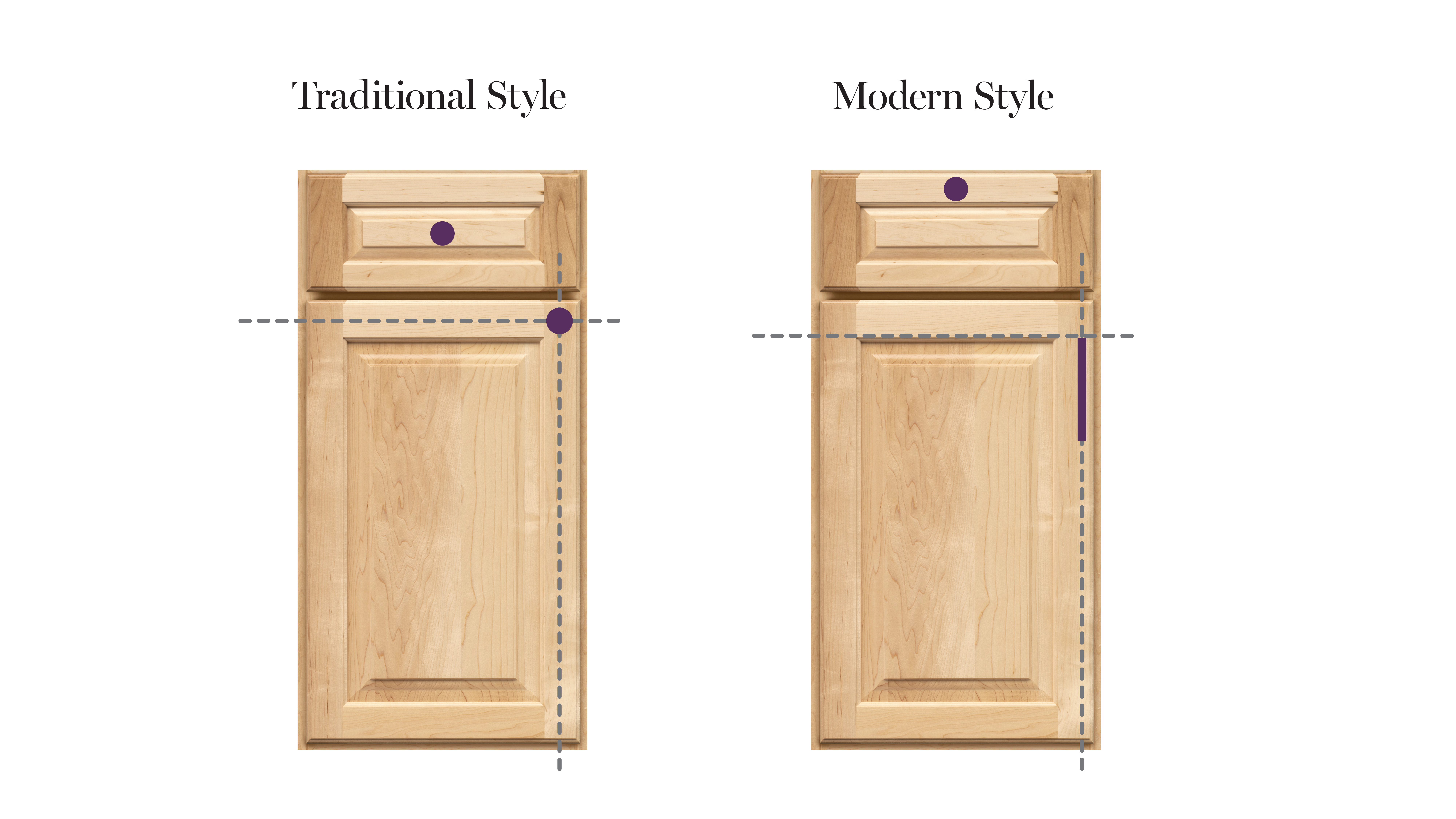
Centering knobs or pulls is the classic choice for drawers. Align hardware in the middle, both horizontally and vertically. This creates a balanced and symmetrical look. Center placement works well for most drawer styles and sizes. It also helps users open drawers easily from any angle.
Pull Size For Wide Drawers
Wide drawers need longer pulls to look right and function well. Choose pulls about one-third the drawer width. This size offers better grip and fits the drawer’s scale. Too small pulls can look lost on large drawers. Longer pulls create a neat and proportional design.
Alternative Pull Placement
Some prefer placing pulls higher on the drawer face. This makes opening easier, especially on lower cabinets. Placing pulls near the top edge improves reach and comfort. Another option is installing pulls vertically on wide drawers. Vertical pulls add a unique style and help with grip. Experiment with these options to match your needs and style.
Tools And Techniques
Placing hardware on cabinets requires the right tools and smart techniques. These help ensure a neat, professional look. Careful planning avoids mistakes and saves time. The following sections explain useful tools and simple methods for perfect hardware placement.
Using Painter’s Tape For Test Placement
Painter’s tape helps test hardware positions without damage. Stick small tape pieces where you want knobs or pulls. This allows visualizing the look before drilling holes. Move the tape until the hardware feels right. The tape also marks exact spots to drill. This technique prevents errors and keeps cabinets safe.
Hardware Jig For Consistency
A hardware jig is a tool to drill holes in the same place every time. It fits over the cabinet door or drawer front. The jig guides the drill bit, ensuring straight holes. Using a jig speeds up the process and keeps placement uniform. This is especially useful for multiple cabinets or drawers. It guarantees a neat, balanced appearance.
Measuring For Proper Size
Measure carefully to match hardware size to cabinet dimensions. Use a ruler or tape measure to find the center or edge placement. For knobs, measure from the edge to the desired height. For pulls, check the length fits the drawer or door size. Measure twice before marking or drilling. Proper measurement prevents uneven or awkward hardware positions.
Credit: taylorcraftdoor.com
Design Tips
Choosing the right design for placing hardware on cabinets improves both look and function. Small changes create big impacts. Thoughtful placement makes opening and closing easier. It also enhances the cabinet style. Focus on alignment, style choices, and size matching to get the best result.
Aligning Pulls With Door Rails
Place pulls parallel to door rails for a clean look. Aligning with the bottom rail keeps hardware balanced. It also helps the eye move smoothly across the cabinet front. Measure carefully to keep all pulls at the same height. This consistency adds a professional touch to your kitchen or bathroom.
Offset Placement For Style
Shift hardware slightly away from the center for a modern feel. Offset pulls add visual interest without clutter. This style works well with shaker or flat-panel doors. Place pulls near the edge but leave enough space to grip comfortably. Experiment with different offsets to find the best fit for your space.
Matching Hardware To Cabinet Size
Select hardware size based on the cabinet dimensions. Larger cabinets need bigger pulls for balance and ease. Small cabinets look best with small knobs or pulls to avoid overwhelming the design. A good rule: choose pulls about one-third the width of the drawer. This ratio keeps hardware proportional and attractive.
Common Mistakes To Avoid
Placing hardware on cabinets seems simple but often leads to errors. These mistakes can affect both the look and function of your cabinets. Avoiding them ensures your hardware fits well and works smoothly. Pay close attention to size, alignment, and door mechanics.
Incorrect Hardware Size
Choosing the wrong size hardware disrupts cabinet balance. Too large pulls can overpower small doors. Small knobs might look lost on wide drawers. Measure your cabinet doors and drawers first. Match hardware size to cabinet style and scale. This keeps the design clean and functional.
Misaligned Placement
Placing hardware unevenly makes cabinets look sloppy. Misalignment affects how doors and drawers open. Use a template or ruler to mark spots carefully. Check measurements twice before drilling holes. Consistent placement on all cabinets creates a polished look.
Ignoring Door Hinges
Hardware too close to hinges can block door movement. It can also cause damage over time. Leave enough space between hinges and hardware. Test door swing before final installation. This prevents rubbing and ensures smooth operation every time.
Credit: www.kraftmaid.com
Frequently Asked Questions
What Is The 1/3 Rule For Cabinet Hardware?
The 1/3 rule for cabinet hardware means choosing pulls about one-third the drawer’s length for balanced, proportional appearance and easy use.
Where To Place Hardware On Cabinets?
Place knobs on upper cabinet bottom corners and lower cabinet top corners. Center pulls horizontally and vertically on drawers. Use a pull about one-third the drawer width. Mark placement with painter’s tape and use a jig for accuracy. Match hardware size to cabinet size for balance.
Are There Templates For Handle Placement?
Yes, templates for handle placement exist. Installation kits and jigs help mark drill holes for consistent, precise cabinet hardware alignment.
What Is The Proper Etiquette For Cabinet Hardware?
Place knobs on upper cabinet bottom corners and lower cabinet top corners. Center pulls horizontally and vertically on drawers. Use one-third drawer length for pull size. Mark placement with painter’s tape before drilling. Use a jig for consistent hardware alignment across all cabinets.
Conclusion
Placing hardware on cabinets improves both function and style. Measure carefully and mark spots before drilling. Use tools like a jig for even placement. Match hardware size to cabinet dimensions for balance. Try different positions to find what feels best.
Small changes can make your cabinets look neat and organized. Take your time and enjoy the process. Well-placed hardware adds charm and ease to your kitchen or bathroom.