
Are you struggling to showcase your cabinet hardware in a way that grabs attention and helps customers choose the perfect pieces? Designing an effective cabinet hardware display isn’t just about putting knobs and pulls on a board—it’s about creating an experience that speaks directly to your audience.
You’ll discover simple yet powerful tips to design a display that highlights your products’ best features, makes decision-making easy, and boosts your sales. Keep reading, and you’ll learn how to turn your cabinet hardware display into a tool that works hard for you.
Choosing The Right Location
Choosing the right location for your cabinet hardware display is key to its success. The right spot draws attention and helps customers or visitors see every detail clearly. It also makes the display easy to use and keeps the area neat.
High Traffic Areas
Place the display where many people pass by daily. This increases the chance they will stop and look. Hallways, near entrances, or close to popular rooms work well. Avoid hidden corners or places with little foot traffic.
Lighting Considerations
Good lighting shows off the hardware’s style and finish. Use natural light if possible. Bright, soft lights reduce shadows and glare. Avoid dark spots or harsh lighting that can hide details. Position lights to highlight textures and colors.
Space Optimization
Use space wisely to keep the display organized. Leave enough room for easy browsing. Avoid clutter by spacing items evenly. Consider vertical space with shelves or wall mounts. A neat display keeps focus on the hardware itself.

Credit: www.barzdecorativehardware.com
Selecting Hardware Styles
Selecting hardware styles is a key step in designing a cabinet hardware display. The right styles catch the eye and show off your collection well. Each piece should fit the overall look and feel of your display space. This helps customers or visitors imagine the hardware in their own homes.
Choosing styles involves thinking about finish, trends, and how the hardware works. These factors create a balance between beauty and use. A good display has variety but feels connected and clear.
Popular Finishes
Popular finishes set the tone for your hardware display. Chrome offers a bright, modern look. Brass gives warmth and a classic feel. Matte black is bold and fits many styles. Satin nickel is soft and neutral. Mixing a few finishes can show options but keep it simple. Too many finishes can confuse the eye.
Matching Trends
Trends change, but some styles last long. Vintage hardware is popular now. Clean, minimalist shapes also appeal to many. Rustic and industrial styles attract those wanting a strong, natural look. Including a mix of trendy and classic styles helps keep your display fresh and relevant. It draws in different tastes and needs.
Functionality And Aesthetics
Hardware must look good and work well. Handles and knobs should be easy to grip. Consider the size and shape for comfort. Some styles suit certain cabinets better than others. Show how each piece fits different cabinet types. This helps people see both the beauty and the use of each hardware item.
Creating A Layout Plan
Creating a layout plan is the first step in designing a cabinet hardware display. It helps organize the space and make the display clear and attractive. A good plan guides the placement of each hardware piece. This makes the display easier to use and more appealing to customers.
Grouping By Type
Group cabinet hardware by type. Separate knobs, pulls, and handles into distinct sections. This helps customers find what they want quickly. It also shows the variety of styles available. Grouping by type keeps the display neat and organized.
Size And Scale Balance
Balance the sizes of hardware across the display. Place larger pieces in areas with more space. Smaller items fit well in tighter spots. This balance creates a pleasing look. Avoid clustering large or small items together. A well-balanced display feels natural and easy to browse.
Ease Of Access
Arrange hardware at a comfortable height. Make sure customers can touch and try each piece. Avoid placing items too high or too low. Leave enough space between pieces to prevent clutter. Easy access encourages customers to engage with the display more.
Material And Mounting Options
Choosing the right materials and mounting options shapes your cabinet hardware display. These elements affect the display’s look, feel, and how long it lasts. Pick materials that match the style of your hardware and fit your space.
Mounting options help show the hardware clearly and keep it secure. The right mounts make your display easy to update. They also make your setup neat and tidy. Think about durability and style when selecting materials and mounts.
Display Boards
Display boards serve as the base for cabinet hardware. Wood boards give a natural, warm look. Metal boards offer a modern, sleek appearance. Plastic boards are lightweight and easy to clean.
Choose boards that support your hardware weight well. Painted or stained surfaces can highlight the hardware better. Textured boards add depth and interest to the display.
Mounting Techniques
Screws are the most common way to mount hardware. They keep pieces firmly in place. Magnets work well for metal hardware and allow quick changes. Adhesive strips suit lighter hardware but may wear out fast.
Use mounting brackets for larger or heavier items. Pegboards allow flexible placement and easy rearranging. Select mounting methods that suit your display style and hardware type.
Durability Factors
Durability depends on material strength and mounting quality. Choose boards resistant to scratches and moisture. Strong mounts prevent hardware from loosening or falling.
Test your display by handling it gently over time. Durable displays save you time and money. They keep your hardware safe and looking great longer.
Incorporating Labels And Signage
Incorporating labels and signage in a cabinet hardware display helps customers find what they need fast. Clear and well-placed signs make the display easy to understand. They guide shoppers through different styles and finishes. Good labels also add a professional touch to the display.
Clear Identification
Labels should clearly show the name of each hardware piece. Use simple fonts that are easy to read from a distance. Place labels near the hardware, so customers can quickly match the name to the item. This helps avoid confusion and saves time.
Informative Descriptions
Include brief descriptions that explain the material, size, and finish. Keep the text short and direct. Highlight special features that make the hardware unique. Informative signs help customers make smart choices without needing help.
Branding Elements
Add your store’s logo and colors to the signage. This creates a consistent look and builds trust. Use branding to make the display memorable. It also shows that your store cares about quality and detail.
Enhancing Visual Appeal
Enhancing the visual appeal of a cabinet hardware display draws customers’ eyes and keeps their interest. A well-designed display looks neat and inviting. It shows off the hardware’s style and quality. Simple tricks can make a big difference in how the display feels and looks.
Color Coordination
Choose colors that match or complement each other. Use neutral backgrounds like white or gray to highlight hardware colors. Group similar colors together for a clean look. Bright colors can create focus points. Avoid too many clashing colors that cause confusion.
Texture Contrast
Mix smooth and rough textures to create interest. Pair shiny metals with matte surfaces. Wood textures work well with metal hardware. This contrast helps each piece stand out. Customers can see and feel the difference clearly.
Lighting Effects
Good lighting makes hardware shine and look attractive. Use soft spotlights to highlight key pieces. Avoid harsh lights that create shadows or glare. LED lights save energy and last long. Proper lighting guides the customer’s eyes naturally across the display.
Maintenance And Updates
Maintaining and updating a cabinet hardware display keeps it fresh and attractive. It helps customers see the latest styles and ensures the display looks clean and inviting. Regular care prevents wear and tear, making the display last longer. Updating the display also shows that your business cares about quality and trends.
Regular Cleaning
Clean the hardware pieces often to keep them shiny and appealing. Use a soft cloth to wipe off dust and fingerprints. Avoid harsh chemicals that can damage finishes. Clean display surfaces and shelves to remove dirt and smudges. A neat display draws customers’ attention and improves their experience.
Seasonal Refreshes
Change parts of the display based on seasons or trends. Introduce new styles or colors to catch interest. Rotate hardware pieces to highlight different options. Seasonal refreshes make the display feel new and exciting. This keeps customers curious and encourages repeat visits.
Customer Feedback Integration
Ask customers what they like or want to see more. Use their feedback to adjust the display layout or selection. Add popular hardware styles based on their preferences. Listening to customers helps create a more useful and appealing display. It builds trust and improves sales opportunities.
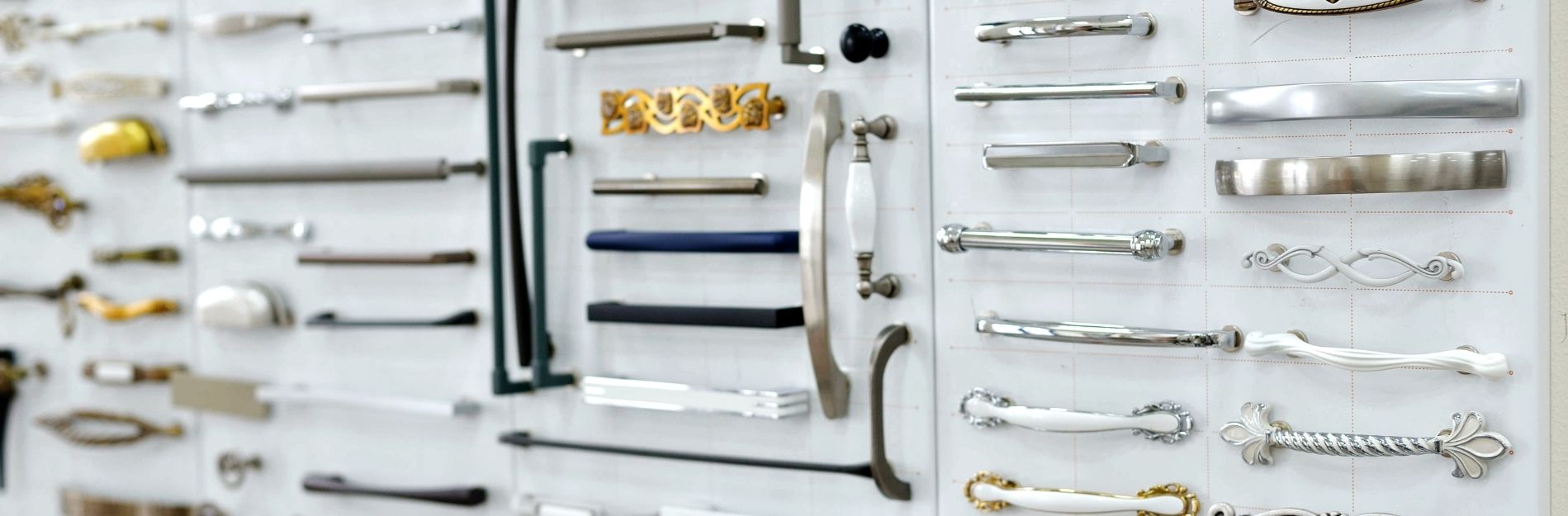
Credit: bearhollowsupply.com

Credit: www.colourbox.com
Frequently Asked Questions
What Materials Work Best For Cabinet Hardware Displays?
Wood, metal, and acrylic are ideal for durability and aesthetics. These materials support diverse hardware styles and provide a professional look. Choose based on your brand’s theme and customer preferences.
How Do I Organize Cabinet Hardware By Style?
Group hardware by styles like modern, vintage, or rustic. This helps customers easily find matching pieces and improves the display’s visual appeal. Clear labeling enhances the browsing experience.
What Lighting Enhances Cabinet Hardware Displays?
Use bright, focused LED lights to highlight hardware details. Proper lighting brings out finishes and textures, making products more attractive. Avoid harsh shadows for a clean, inviting display.
How Much Space Is Needed Between Hardware Pieces?
Maintain 2 to 3 inches between items for clarity. This spacing prevents clutter and allows customers to appreciate each piece’s design. It also facilitates easier handling and selection.
Conclusion
Designing a cabinet hardware display can be simple and fun. Choose pieces that show variety and style. Keep the layout neat so customers see everything clearly. Use good lighting to highlight the hardware’s details. Remember to update your display with new trends.
A well-planned display helps customers find what they need fast. It also makes your space look organized and inviting. Try different arrangements until you find what works best. A strong display can boost interest and sales naturally. Take your time and enjoy the creative process.

