
If you’re working with Hardie Board, choosing the right fasteners can make all the difference in your project’s strength and durability. Using the wrong nails or screws might lead to cracks, rust, or even damage to your siding.
But don’t worry—this guide will help you pick the perfect fasteners to keep your Hardie Board secure and looking great for years. Keep reading to find out exactly what you need to know before you start nailing things down.
Credit: www.homedepot.com
Hardie Board Basics
Hardie Board is a popular choice for siding and exterior walls. It offers durability and resistance to weather. This makes it ideal for many building projects. Understanding its basics helps in choosing the right fasteners.
Material Features
Hardie Board is made from fiber cement. It mixes cement, sand, and cellulose fibers. This makes it strong and fire-resistant. It does not rot or warp like wood. It also resists insects and moisture well. The surface holds paint for a long time. This makes it low-maintenance and long-lasting.
Common Applications
Many builders use Hardie Board for home siding. It works well for walls and trim. It is also good for soffits and fascia boards. Some use it in commercial buildings too. Its weather resistance makes it perfect for outdoor use. It protects structures against rain, wind, and sun.
Fastener Types For Hardie Board
Choosing the right fasteners for Hardie Board is crucial. The fasteners hold the boards firmly in place. They must resist weather and last long. Not all nails or screws work well with Hardie Board. Understanding the best types helps in a strong, durable installation.
Nails
Nails for Hardie Board should be corrosion-resistant. Stainless steel or hot-dipped galvanized nails are best. They prevent rust and staining on the siding. The nail length must be at least 1.25 inches. This ensures a strong grip on the wall studs. Avoid using common nails, as they can corrode quickly. Ring-shank nails offer better holding power. They reduce the chance of the boards loosening over time.
Screws
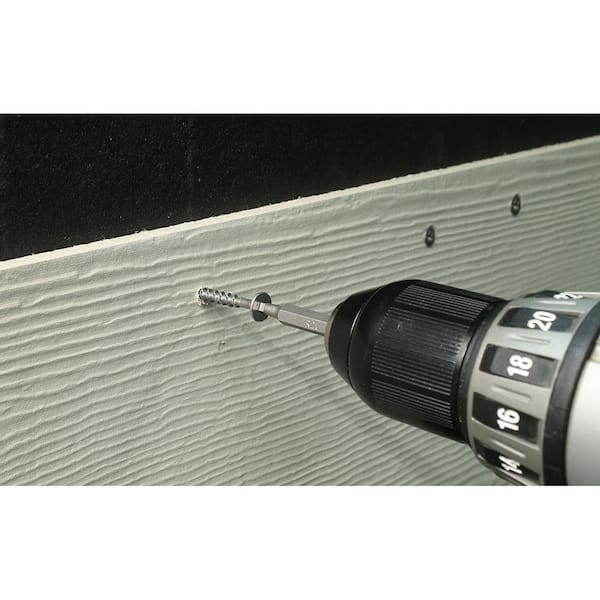
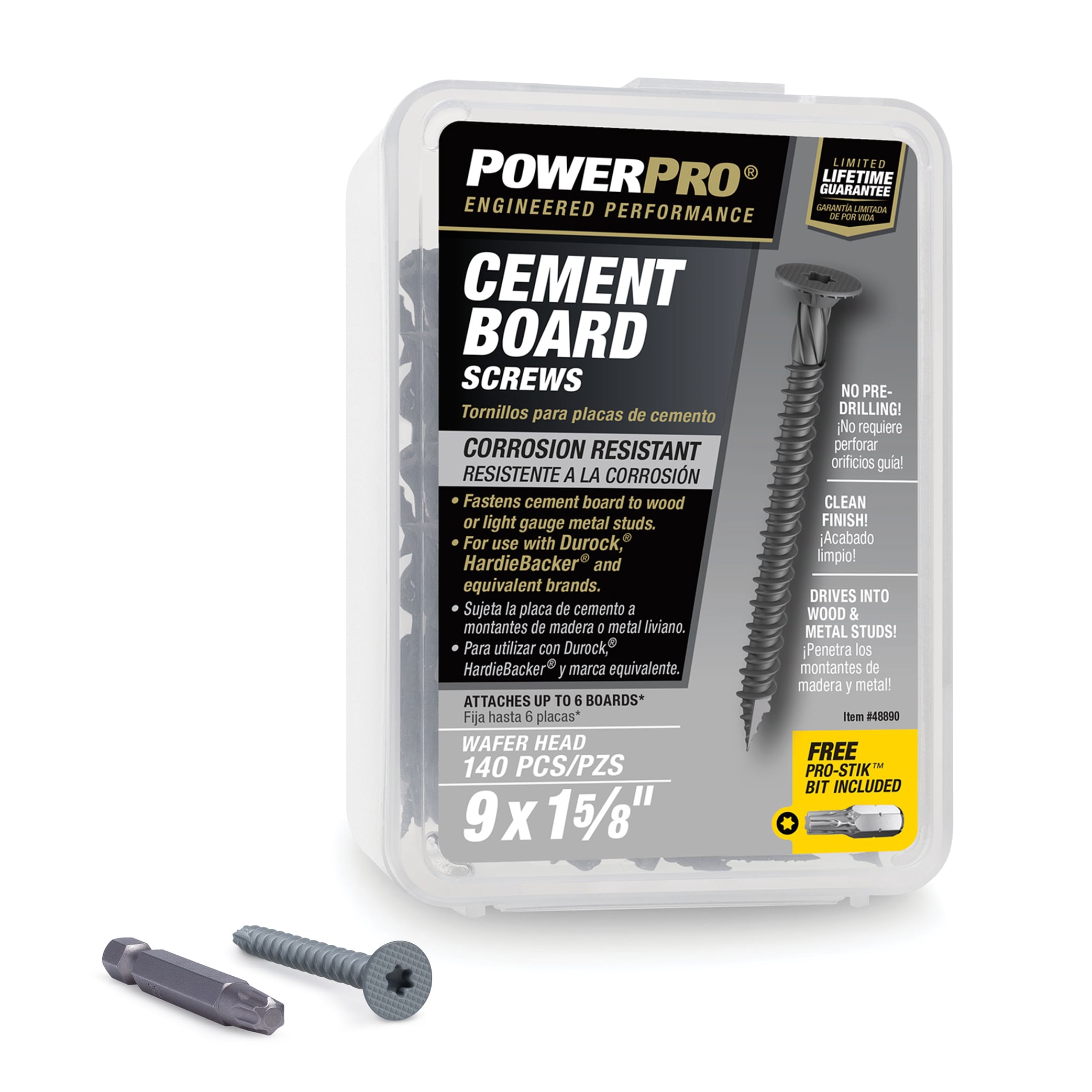
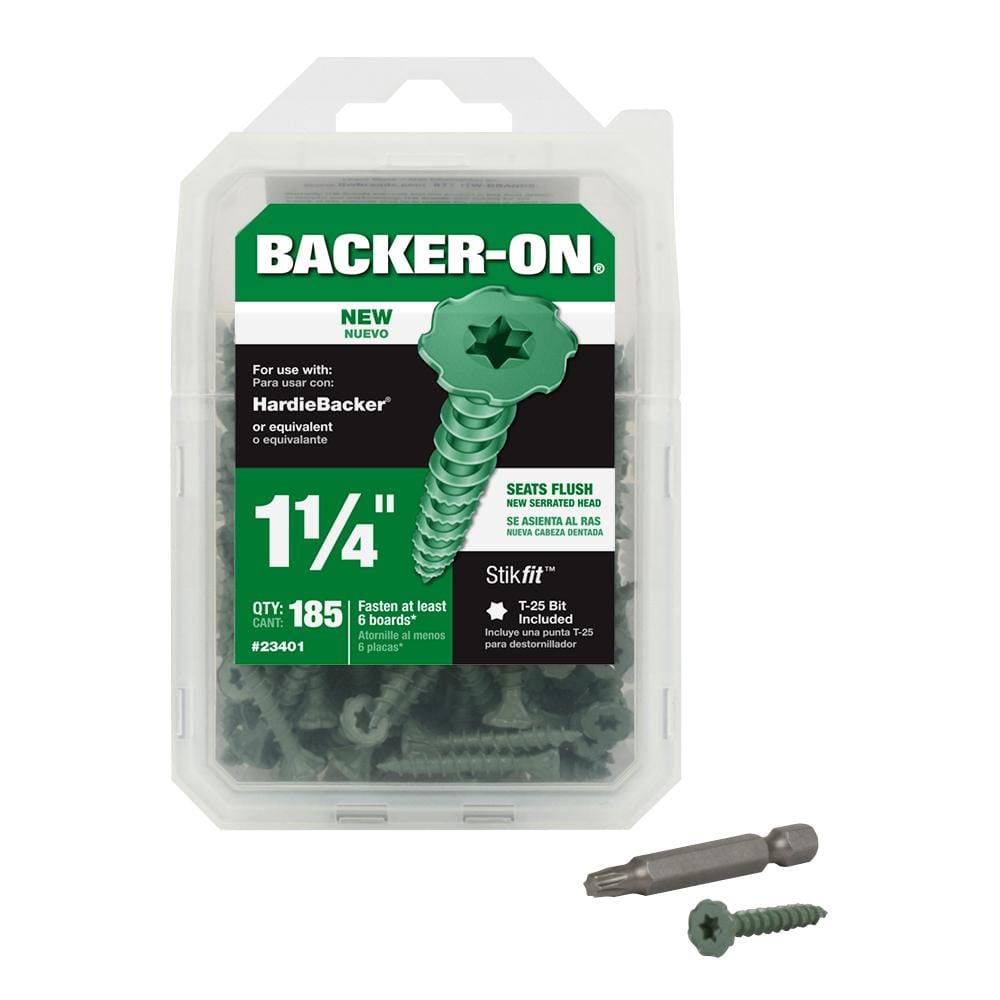
Screws offer excellent holding strength for Hardie Board. Use corrosion-resistant screws made for exterior use. Stainless steel or coated screws resist rust and corrosion. The screw length should be at least 1.25 inches. Choose screws with a bugle or wafer head to avoid damaging the board. Screws help prevent the siding from popping out. They also allow easier removal if needed. Avoid drywall screws; they are not strong enough.
Choosing The Right Fastener Material
Choosing the right fastener material is key for Hardie Board installation. Fasteners hold the siding in place and keep it safe from weather. The wrong material can cause rust and damage. Selecting the best fastener protects your home and extends siding life.
Galvanized Steel
Galvanized steel fasteners are common for Hardie Board. They have a zinc coating to stop rust. This coating works well in dry and mild weather. Galvanized steel is strong and affordable. It works best in areas with low humidity and little salt air.
Stainless Steel
Stainless steel fasteners resist rust completely. They work great in wet or salty climates. These fasteners last longer than galvanized steel. They cost more but offer better protection. Stainless steel keeps your Hardie Board secure for years.
Coated Fasteners
Coated fasteners have a special layer to prevent rust. The coating can be ceramic or polymer-based. These fasteners combine strength and weather resistance. They are lighter on the budget than stainless steel. Coated fasteners suit many climates and siding types.
Credit: www.lowes.com
Fastener Size And Length
Choosing the right fastener size and length is key for installing Hardie Board. The fasteners must hold the siding securely without damaging it. The size and length affect how well the siding stays in place against wind and weather. Using incorrect fasteners can cause problems like cracking or warping.
Focus on diameter and length to get the best results. These two factors ensure the fastener goes through the board and into the framing properly. This keeps the siding strong and long-lasting.
Diameter Recommendations
Use fasteners with a diameter of at least 0.131 inches. This size provides enough strength to hold the Hardie Board firmly. Smaller diameters may bend or break under pressure. Avoid large diameters that can crack the board. A moderate diameter balances strength and safety.
Choose corrosion-resistant fasteners to prevent rust. Stainless steel or coated nails work best for outdoor use. These fasteners keep the siding looking good for years.
Optimal Lengths
Fasteners should be long enough to go through the siding and into the framing. A length between 1 ¼ inches and 2 inches is ideal. This range ensures a strong grip without splitting the wood.
For thicker siding or double layers, use longer fasteners. The extra length helps secure both layers properly. Avoid fasteners that are too short; they won’t hold the siding firmly.
Installation Tips
Installing Hardie Board correctly ensures its durability and strength. Using the right fasteners and techniques protects the siding from damage. Follow these tips to make sure your installation lasts long and looks great.
Proper Fastening Techniques
Use corrosion-resistant fasteners like stainless steel or hot-dipped galvanized nails. The fastener head should be wide enough to hold the board firmly. Drive nails straight, not at an angle. Avoid overdriving nails, which can damage the siding. Leave a small gap between the fastener head and the board surface. This allows for natural expansion and contraction of the siding.
Spacing Guidelines
Place fasteners about 16 inches apart along each stud or framing member. Keep fasteners at least 3/8 inch from the board edges. Space fasteners evenly to prevent warping and buckling. Follow the manufacturer’s spacing rules for your specific Hardie Board product. Proper spacing keeps the siding secure without damaging it.
Avoiding Common Mistakes
Never use drywall or common nails; they can rust and fail. Avoid using screws with coarse threads; they may crack the board. Do not drive fasteners too deep or leave them sticking out. Avoid placing fasteners in joints or overlapping areas. Check for any missed fasteners and add them before finishing. Correct fastener use prevents costly repairs later.
Credit: www.homedepot.com
Tools For Fastening Hardie Board
Choosing the right tools for fastening Hardie board is important. The tools make the job easier and ensure the boards stay secure. Using proper tools helps avoid damage and speeds up installation.
Nail Guns
Nail guns are common tools for fastening Hardie board. They drive nails quickly and with consistent pressure. This tool reduces hand fatigue and saves time on large projects. Use a nail gun designed for siding to avoid splitting the boards.
Choose nails that are corrosion-resistant and the right length. Pneumatic nail guns work best, but battery-powered ones are good for small jobs. Always follow safety rules when using nail guns.
Drills And Drivers
Drills and drivers are useful for fastening Hardie board with screws. They provide better control and prevent over-tightening. Use a drill with adjustable speed and torque settings.
Select corrosion-resistant screws made for fiber cement siding. Pre-drilling holes can help avoid cracks. Cordless drills offer flexibility on job sites without power access. Proper drill bits ensure clean holes and strong fastening.
Maintenance And Durability
Maintenance and durability are key to keeping Hardie Board siding strong and lasting long. The fasteners used hold the panels firmly and help resist weather damage. Checking these fasteners regularly can prevent costly repairs and keep your home safe.
Inspecting Fasteners
Look for rust or corrosion on the fasteners. Rust weakens the hold and can cause panels to loosen. Check for loose or missing fasteners too. Tight fasteners keep the siding secure and stable. Inspect fasteners after storms or heavy winds. Early spotting of problems saves time and money.
Replacing Damaged Fasteners
Remove any rusty or broken fasteners carefully. Use fasteners made of corrosion-resistant materials like stainless steel or hot-dipped galvanized steel. Replace with the right length and type for Hardie Board. Proper fasteners prevent water damage and siding movement. Tighten new fasteners firmly but avoid overdriving. This keeps your siding intact and durable.
Frequently Asked Questions
What Fasteners Work Best With Hardie Board Siding?
Stainless steel or hot-dipped galvanized nails are ideal for Hardie Board. They resist rust and corrosion, ensuring durability. Use corrosion-resistant screws for added holding power. Avoid fasteners that may stain or damage the siding over time.
Can I Use Regular Nails On Hardie Board?
Regular nails are not recommended as they can rust and weaken. Use corrosion-resistant fasteners specifically designed for fiber cement materials like Hardie Board. This choice prevents staining and ensures a secure, long-lasting installation.
What Size Nails Are Suitable For Hardie Board?
Use 1. 5 to 2. 5-inch nails or screws for Hardie Board. The length depends on the thickness of the siding and substrate. Proper nail size ensures strong attachment without damaging the siding or compromising its integrity.
Are Screws Better Than Nails For Hardie Board?
Screws provide better holding strength and reduce siding movement. They are ideal for areas with high wind or seismic activity. However, nails are quicker to install and also acceptable if corrosion-resistant and properly sized.
Conclusion
Choosing the right fasteners keeps Hardie Board strong and secure. Use corrosion-resistant nails or screws made for fiber cement. Avoid cheap or weak fasteners that can cause damage. Proper fasteners help your siding last longer and resist weather. Small details make a big difference in your home’s look and safety.
Follow these tips to do the job right the first time. Your Hardie Board will stay in place and look great for years. Simple choices matter.
