When you’re working on a project, choosing the right fastener can make all the difference. But with so many options out there, how do you know which one is the most reliable and widely used?
If you’ve ever wondered, “What is the most commonly used metric fastener? ” you’re in the right place. Understanding this can save you time, money, and frustration. Keep reading, and you’ll discover the key fastener that professionals trust again and again—and why it might be the perfect fit for your next build.

Credit: www.amazon.com
Metric Fastener Basics
Metric fasteners are widely used in many industries worldwide. They follow a standard measurement system based on millimeters. This makes them easy to measure and match with other parts. Understanding the basics helps in choosing the right fastener for any task.
These fasteners come in many types and materials. They also follow specific size standards. Knowing these details helps in buying and using them correctly.
Types Of Metric Fasteners
Common types include bolts, screws, nuts, and washers. Bolts have flat ends and need a nut to hold parts together. Screws cut their own threads into materials. Nuts are used with bolts to secure parts. Washers spread the load and protect surfaces.
Common Materials Used
Steel is the most common material. It is strong and durable. Stainless steel resists rust and corrosion. Brass and aluminum are lighter and used for specific needs. Plastic fasteners work well in low-stress applications.
Standard Metric Sizes
Metric fasteners use a number to show diameter in millimeters. Common sizes range from M3 to M24. The letter “M” stands for metric. Lengths vary from a few millimeters to several centimeters. Threads per millimeter also follow set standards.
Popular Metric Fastener Types
Metric fasteners are essential in many industries. They hold parts together and ensure machines work well. Different types serve different purposes. Knowing popular types helps in choosing the right one for your needs.
Hex Bolts
Hex bolts have six sides on their heads. This shape makes them easy to tighten with a wrench. They are strong and fit many applications. You often see them in construction and machinery.
Socket Head Cap Screws
These screws have a round head with a hexagonal hole inside. You use an Allen key to turn them. They fit tight spaces and provide a clean look. Their strength suits mechanical and electronic assemblies.
Machine Screws
Machine screws are smaller and thinner than bolts. They work well with nuts or tapped holes. You find them in electronics, appliances, and small machines. Their fine threads give precise fastening.
Nuts And Washers
Nuts secure bolts and screws in place. Washers spread the load and protect surfaces. Together, they prevent loosening and damage. Both come in many sizes to match fasteners.
Most Common Metric Fastener Size
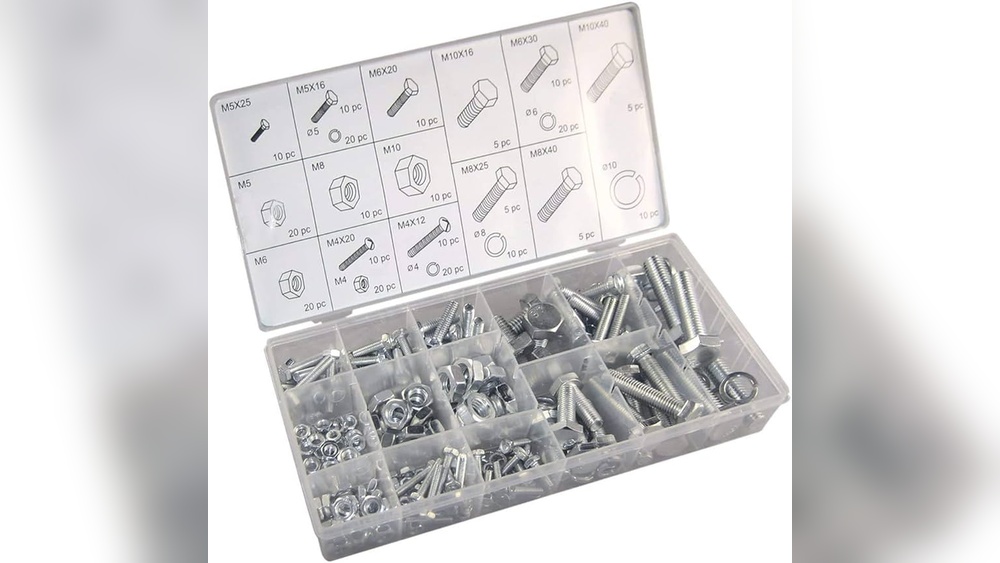
The most common metric fastener size is the M6. This size fits many uses across industries. It offers a good balance between strength and ease of use. M6 fasteners are versatile and widely available. They suit many types of projects, from small machines to household repairs.
Why M6 Is Popular
M6 fasteners are popular because of their size. They are not too big or too small. This size fits many standard tools and equipment. M6 screws and bolts can handle moderate loads. Their availability in various materials adds to their popularity.
Applications Of M6 Fasteners
M6 fasteners work well in machines, furniture, and electronics. Builders use them in metal frames and panels. They also appear in automotive parts and bikes. The M6 size suits many DIY and repair jobs. Its versatility makes it a top choice for many tasks.
Strength And Load Ratings
M6 fasteners provide good strength for many uses. Their load ratings vary with material and grade. Steel M6 bolts can hold significant weight. Stainless steel M6 fasteners resist corrosion well. Choosing the right grade ensures safety and durability.

Credit: www.ebay.com
Choosing The Right Metric Fastener
Choosing the right metric fastener is key for any project. The right fastener ensures strong and lasting connections. It also prevents damage to parts and saves time during assembly. Understanding basic factors helps you pick the best fastener every time.
Factors To Consider
Start by checking the size and length of the fastener. Match these to the parts you want to join. Think about the load the fastener must hold. Heavy loads need stronger fasteners. Also, consider the environment where the fastener will be used. Some fasteners resist rust better than others.
Thread Pitch Importance
Thread pitch means the distance between threads on the fastener. Fine threads hold tighter and resist loosening. Coarse threads are easier to install and better for soft materials. Choose the pitch based on the material and how tight the fit needs to be.
Material And Coating Options
Metric fasteners come in steel, stainless steel, brass, and more. Steel is strong and common but can rust. Stainless steel resists rust and works well outdoors. Coatings like zinc or black oxide protect fasteners from wear and corrosion. Pick material and coating based on the fastener’s use and environment.
Installing And Maintaining Metric Fasteners
Installing and maintaining metric fasteners correctly ensures strong, lasting connections. Proper installation prevents damage and loosening during use. Regular maintenance keeps fasteners secure and safe. Understanding key techniques helps avoid common errors and extends fastener life.
Proper Torque Techniques
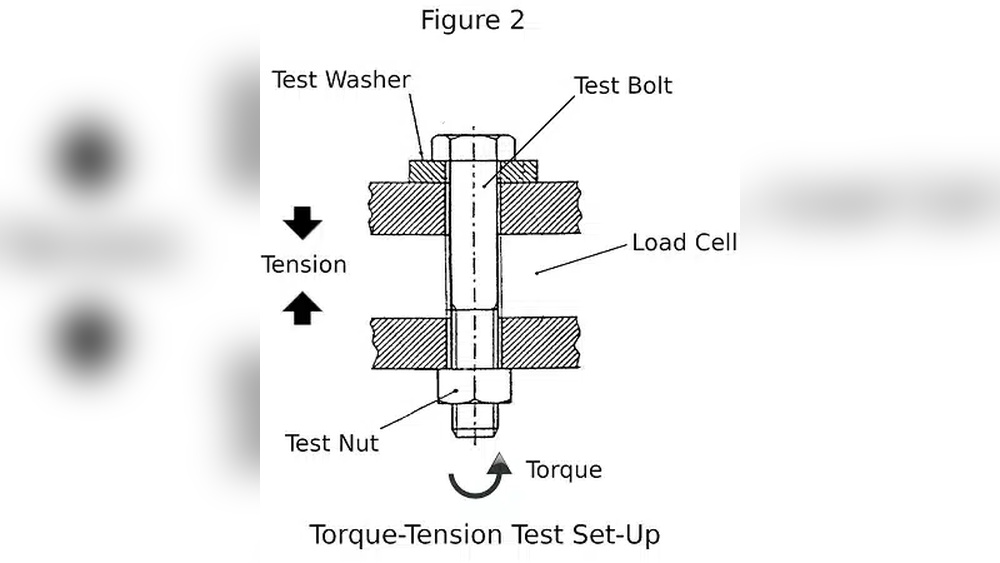
Torque controls the tightness of a fastener. Too much torque can strip threads or break bolts. Too little torque causes parts to loosen. Use a calibrated torque wrench for accuracy. Follow manufacturer torque specifications carefully. Tighten fasteners gradually in a cross pattern. This spreads pressure evenly and avoids warping.
Common Installation Mistakes
Skipping thread cleaning leads to poor grip and slipping. Over-tightening breaks fasteners and damages parts. Under-tightening causes vibration and loosening. Using the wrong size tool damages fastener heads. Mixing metric with imperial fasteners causes fitting issues. Always check threads for dirt or rust before installation.
Maintenance Tips For Longevity
Inspect fasteners regularly for rust and wear. Tighten any loose fasteners to specified torque. Apply anti-seize lubricant to prevent corrosion. Replace damaged or worn fasteners immediately. Store spare fasteners in dry conditions. Clean threads before reusing fasteners to maintain grip.
Credit: www.ebay.com
Frequently Asked Questions
What Is The Most Common Metric Fastener Size?
The most common metric fastener size is M6. It balances strength and versatility, making it popular in many applications, from machinery to household items.
Why Is M6 The Most Used Metric Fastener?
M6 fasteners offer a good strength-to-size ratio. They are easy to source and compatible with many materials, which boosts their widespread use.
Where Are Metric Fasteners Mostly Used?
Metric fasteners are widely used in automotive, construction, and manufacturing industries. Their standardized sizes ensure consistent assembly quality and easy replacement.
How Do Metric Fasteners Differ From Imperial Fasteners?
Metric fasteners use millimeters for measurements, while imperial use inches. Metric sizes are more globally standardized, simplifying international manufacturing and repairs.
Conclusion
The most common metric fastener is the M6 bolt. It fits many different uses and materials. People choose it for its strength and size. You find it in cars, furniture, and machines. Simple, strong, and easy to use. Knowing this helps you pick the right fastener.
It saves time and avoids mistakes. Always check the size before buying. This ensures your project stays safe and lasts long.