Have you ever wondered what holds so many things around you firmly together? Whether it’s your furniture, gadgets, or even vehicles, screw fasteners play a crucial role in keeping everything intact.
But what exactly are screw fasteners, and why are they so important? If you want to understand how these small yet powerful tools work and why they might be the perfect choice for your next project, keep reading. This guide will give you clear, simple answers and help you make smarter decisions when it comes to fastening solutions.
Credit: bhansalitechno.com
Basics Of Screw Fasteners
Screw fasteners hold objects together using a simple design. They are one of the most common types of fasteners. Screws join materials by digging into them with their threads. This creates a strong grip that keeps parts from moving.
Understanding screw fasteners helps in choosing the right one for any project. Knowing their parts and how they work makes it easier to use them correctly. This section explains the basic elements of screws and how they function.
Components Of A Screw
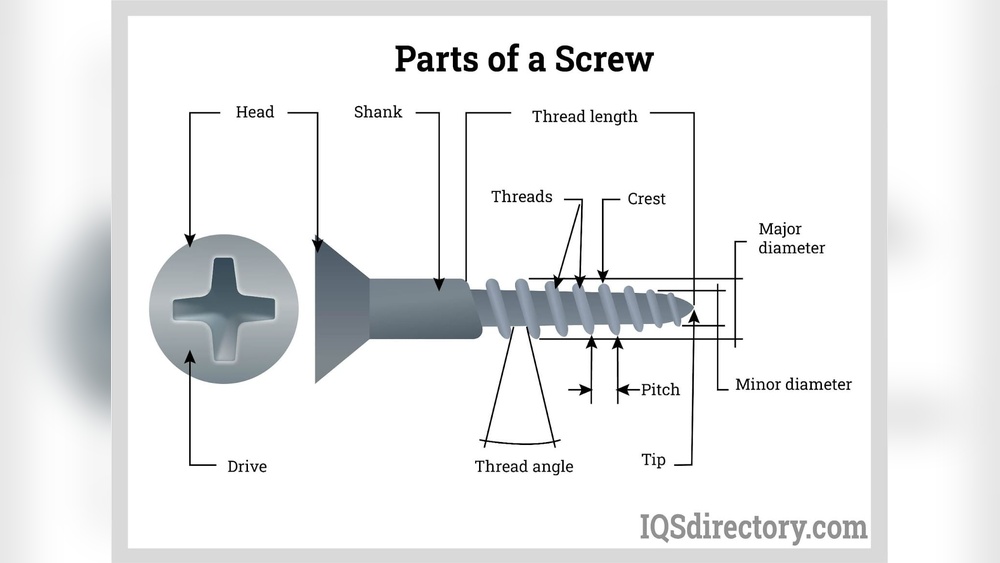
A screw has several key parts. The head is the top part you turn with a tool. It can have different shapes like flat, round, or hexagonal. The shank is the smooth part under the head. The threaded section wraps around the shank.
Threads are the spirals that grip materials. The tip of the screw is pointed to help it enter surfaces. Each component has a specific role in holding materials tightly.
How Screws Work
Screws work by turning into materials. The threads cut into or push into the surface. This action pulls the screw deeper with each turn. The tight grip stops parts from sliding or pulling apart.
Tools like screwdrivers or drills turn the screw head. This makes the threads bite into the material. The design creates strong resistance to pulling forces. Screws also allow easy removal and reuse without damage.
Credit: www.homedepot.com
Common Types Of Screws
Screws come in many types, each made for a special job. Knowing the common types helps you pick the right one. Using the correct screw makes your project stronger and lasts longer.
Below are the common types of screws used in everyday tasks and professional work.
Wood Screws
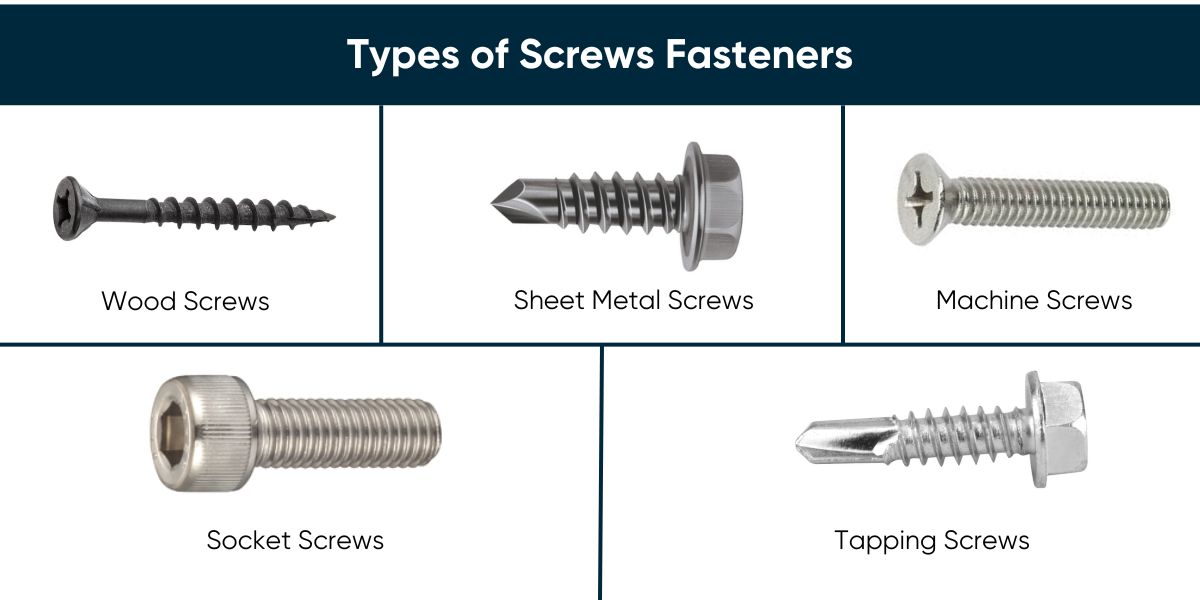
Wood screws are for joining pieces of wood. They have coarse threads to grip wood tightly. Their sharp point helps start the screw easily. These screws often have a flat or oval head.
Machine Screws
Machine screws fit into pre-threaded holes or nuts. They have fine, even threads for metal parts. These screws come in many sizes and head shapes. They are common in machines and electronics.
Sheet Metal Screws
Sheet metal screws join thin metal sheets. They have sharp threads to cut into metal. These screws can also work with plastic and wood. Their heads can be flat, pan, or round.
Self-tapping Screws
Self-tapping screws create their own thread as they go in. They reduce the need for pre-drilling holes. These screws save time and effort. They are used with metal, plastic, and wood.
Lag Screws
Lag screws are large and strong for heavy-duty work. They hold thick wood and heavy materials well. Their coarse threads grip deeply into wood. Lag screws often have hex heads for strong turning.
Screw Head Styles
Screw fasteners come with different head styles. Each style suits specific tasks and tools. Choosing the right screw head is important for strength and appearance. Below are common screw head styles and their uses.
Flat Head
Flat head screws have a flat top and a conical shape underneath. They sit flush with the surface after installation. This style is great for wood or metal where a smooth finish is needed. It helps avoid snags or bumps on the surface.
Pan Head
Pan head screws have a rounded top and flat underside. They stand above the surface, giving a neat look. These screws work well with thin materials and provide good holding power. Their wide heads help spread pressure evenly.
Round Head
Round head screws feature a domed top and a flat underside. They do not sit flush but offer a decorative finish. These screws are easy to handle and remove. They suit applications where appearance matters.
Hex Head
Hex head screws have six sides for wrench use. They provide strong torque and grip. These screws are common in construction and heavy-duty projects. Their shape allows easy tightening with tools.
Oval Head
Oval head screws combine a flat and rounded shape. They sit slightly above the surface with a smooth edge. This style adds a decorative touch and resists countersinking too deep. It fits well in furniture and cabinetry.

Credit: forum.digikey.com
Drive Types Explained
Screw fasteners use different drive types to fit various tools and tasks. Each drive type has a unique shape. These shapes help screws turn easily and hold tight. Understanding drive types helps you pick the right screw for your project.
Drive types affect how much torque you can apply. They also influence the tool’s grip on the screw. Choosing the correct drive type reduces slipping and damage.
Slotted
The slotted drive is the oldest screw type. It has a simple single straight line. This design fits flathead screwdrivers. Slotted screws are easy to make but can slip out easily. They work best for light tasks.
Phillips
Phillips screws have a cross-shaped slot. This design stops the driver from slipping out. It allows more torque than slotted screws. Phillips screws are common in woodworking and electronics. They are easy to use with power tools.
Torx
Torx drives look like a six-pointed star. This shape lets you apply high torque without slipping. Torx screws are common in cars and electronics. They reduce wear on the screw and tool.
Hex
Hex screws have a six-sided shape. They fit hex keys or Allen wrenches. Hex drives provide strong grip and high torque. They are often used in furniture and machinery. Hex screws are easy to tighten and loosen.
Pozidriv
Pozidriv is similar to Phillips but with extra lines. This design gives better grip and less slipping. Pozidriv screws are common in Europe. They are great for wood and metal fastenings. Tools for Pozidriv screws look like Phillips but fit tighter.
Materials And Coatings
Screw fasteners come in many materials and coatings. These affect strength, durability, and use. Choosing the right material helps screws last longer and work better. Coatings add extra protection and improve performance in different conditions.
Steel And Stainless Steel
Steel screws are strong and common. They hold parts tightly and resist wear. Stainless steel screws resist rust and stains. They suit wet or outdoor places. Stainless steel lasts longer but costs more than plain steel.
Brass And Aluminum
Brass screws resist corrosion and look shiny. They are softer and best for light tasks. Aluminum screws are light and resist rust well. They work in places where weight matters. Both metals are easy to shape and use.
Zinc And Nickel Plating
Plating adds a thin metal layer to screws. Zinc plating protects steel screws from rust. It also gives a smooth, shiny finish. Nickel plating is harder and resists wear better. Both coatings improve screw life and look.
Corrosion Resistance
Corrosion damages screws and weakens joints. Materials like stainless steel and brass resist rust. Coatings like zinc and nickel add protection. Good corrosion resistance means screws last longer. It keeps structures safe and strong over time.
Applications Of Screw Fasteners
Screw fasteners are used in many industries. They hold parts together tightly and securely. Their design fits different materials and needs. This makes them very useful in daily life and work.
They come in many shapes and sizes. Each type serves a special purpose. Let’s explore where screw fasteners are most common.
Construction And Woodworking
Screw fasteners are key in building houses and furniture. They join wood pieces firmly. They help create strong frames and structures. Screws hold drywall, cabinets, and doors in place. Workers prefer screws for their grip and ease of use.
Electronics And Appliances
Small screws secure parts inside gadgets. They hold circuit boards and screens tightly. Appliances like refrigerators and microwaves use screws. These fasteners keep components safe during use. Screws allow easy repair and replacement.
Automotive Industry
Cars and trucks need many screws. They fasten engine parts and body panels. Screws keep wires and hoses secure. They resist vibration and movement on the road. Mechanics use screws to fix and maintain vehicles.
Furniture Assembly
Flat-pack furniture depends on screws for setup. Screws join legs, shelves, and frames. They make furniture sturdy and stable. Screws allow easy disassembly and moving. This helps customers build furniture quickly at home.
Choosing The Right Screw
Choosing the right screw is important for any project. The correct screw ensures a strong hold and lasts longer. It also prevents damage to materials. Each screw has different features for specific uses. Understanding these helps make the best choice. This section explains how to pick the perfect screw for your needs.
Factors To Consider
Material type matters. Wood screws work best for wood, while metal screws suit metal parts. Size is another key factor. The screw length and thickness must fit the project. Thread type affects holding power. Coarse threads grip soft materials well. Fine threads suit hard materials. Also, consider the screw head. Flat, round, or pan heads serve different tools and finishes. Lastly, think about corrosion resistance. Stainless steel screws resist rust, ideal for outdoor use.
Common Mistakes To Avoid
Using the wrong size screw weakens the joint. Too long screws may split wood. Too short screws fail to hold securely. Ignoring material type causes poor grip or damage. Using the wrong thread type reduces strength. Choosing the wrong head can make driving screws difficult. Skipping corrosion resistance risks rust and failure. Avoid these mistakes to ensure a strong and lasting fix.
Installation Tips
Installing screw fasteners correctly is important for strong and safe joints. Follow these tips to ensure a smooth and secure installation process. Proper steps help avoid damage and make the fasteners last longer.
Pre-drilling And Pilot Holes
Pre-drilling helps guide the screw into the material. It prevents the wood or metal from splitting. Use a drill bit smaller than the screw diameter. The pilot hole should be deep enough for the screw length. This step saves time and effort during installation.
Using The Correct Tools
Select the right screwdriver or drill bit for your screws. Using the wrong tool can strip the screw head. Make sure the tool fits snugly in the screw slot. Use a power drill for faster work, but control the speed. A slow and steady approach avoids damage.
Ensuring Proper Tightening
Tighten screws until they are firm but not over-tightened. Over-tightening can strip the threads or break the screw. Use a torque screwdriver if possible for consistent pressure. Check each screw after installation to ensure stability. Proper tightening keeps the joint secure and durable.
Frequently Asked Questions
What Are Screw Fasteners Used For?
Screw fasteners join materials like wood, metal, and plastic securely. They provide strong, removable connections in construction and machinery. Their threaded design ensures tight holding power and easy disassembly when needed.
How Do Screw Fasteners Work?
Screw fasteners work by rotating into materials, creating a threaded grip. The threads cut into the surface, holding components tightly together. This mechanism prevents loosening from vibrations or movement.
What Types Of Screw Fasteners Exist?
Common types include wood screws, machine screws, self-tapping screws, and sheet metal screws. Each type suits specific materials and applications, offering various thread styles and head shapes.
Why Choose Screw Fasteners Over Nails?
Screw fasteners offer stronger holding power and are less likely to loosen. They allow for easy removal and reuse without damaging materials. Screws also provide better resistance to vibrations and shear forces.
Conclusion
Screw fasteners hold things together firmly and safely. They come in many types and sizes for different jobs. Using the right screw fastener makes your work strong and lasting. They are easy to use with simple tools. Understanding screw fasteners helps in building and fixing tasks.
Small but important parts in everyday projects. Choose the correct screw fastener to ensure good results. Simple, effective, and reliable for many uses.