Have you ever wondered how many amps a light switch can handle? Knowing this simple fact can save you from electrical headaches and keep your home safe.
Whether you’re fixing a switch or planning new wiring, understanding amps is key. You’ll discover exactly what amps mean for your light switch and why it matters for your everyday life. Keep reading to get clear answers and avoid costly mistakes!

Credit: www.youtube.com
Light Switch Amp Ratings
Light switch amp ratings show the maximum electric current a switch can handle safely. This rating helps prevent overheating and electrical fires. Knowing the amp rating ensures the switch fits the circuit’s needs and keeps your home safe. Amp ratings vary based on switch design and use.
Common Amp Values
Most residential light switches have ratings of 15 or 20 amps. These values suit most household circuits. Some switches can handle up to 30 amps, but these are less common. Choosing the right amp rating depends on the devices connected to the switch. Using a switch with too low a rating can cause damage.
Factors Affecting Amp Ratings
Materials used in the switch affect its amp rating. Higher quality metals allow higher current flow. The switch’s internal design also matters. Larger contacts reduce resistance and heat. The type of load (light bulb, fan) influences the rating. Switches for heavy loads have higher amp ratings. Environmental factors like heat and moisture can reduce a switch’s capacity.
Types Of Light Switches
Light switches control the flow of electricity to your lights. Different types serve different purposes. Knowing these types helps you choose the right switch for your home. Each type also handles current differently, affecting how many amps it supports.
Single-pole Switches
Single-pole switches are the most common. They control one light or set of lights from one location. These switches usually handle up to 15 or 20 amps. They are simple and easy to use. Perfect for most rooms in a house.
Three-way Switches
Three-way switches control lights from two locations. You find them in hallways or large rooms. They work together in pairs. Each switch can turn the light on or off. These switches also support 15 or 20 amps. They add convenience to your lighting setup.
Dimmer Switches
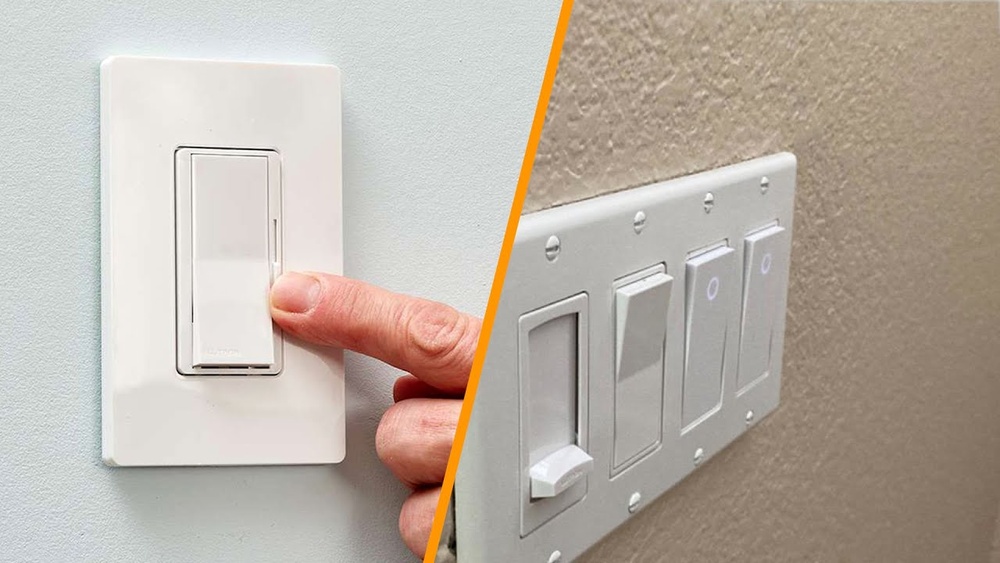
Dimmer switches adjust the brightness of lights. They allow more control over lighting mood and energy use. Many dimmers support 600 watts or less, which relates to amps. Using a dimmer can help save electricity. They are common in living rooms and bedrooms.
Electrical Load And Safety
Understanding electrical load and safety is key when dealing with light switches. It helps prevent accidents and equipment damage. Knowing how much current a switch can handle keeps your home safe.
Electrical load means the amount of current a switch carries. Safety means using the right parts to avoid fire or shocks. Let’s explore how to calculate load, risks of overloading, and circuit breaker compatibility.
Calculating Load Capacity
Start by checking the switch’s amp rating. Most light switches handle 15 or 20 amps. Add up the total amps of all devices on the circuit. Keep the load below the switch’s rating. This avoids overheating and damage.
Risks Of Overloading
Overloading causes heat build-up in wires and switches. This can melt insulation and start fires. It also causes switch failure and power outages. Always use switches rated for your electrical load. Safety depends on preventing overload.
Circuit Breaker Compatibility
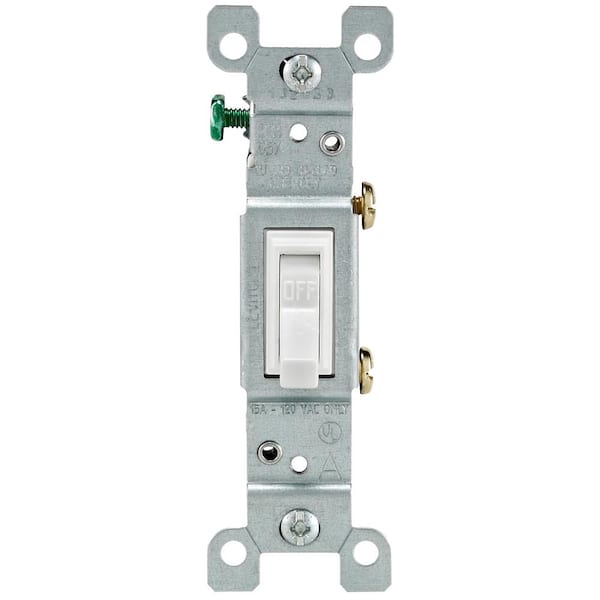
Match the switch amps with your circuit breaker size. A 15-amp switch should connect to a 15-amp breaker. The breaker protects wiring and devices by cutting power if needed. Correct pairing keeps your electrical system safe.
Credit: www.homedepot.com
Choosing The Right Switch
Choosing the right light switch is important for safety and function. A switch must handle the electrical load without overheating or failing. It also should last long and work smoothly every time you use it. Picking the right switch means matching it to your circuit and choosing strong materials.
Matching Switch To Circuit
Each light switch has an amp rating. This rating shows the maximum current it can safely carry. Common switches support 10 to 15 amps. Check your circuit’s amperage before buying a switch. Use a switch rated for the same or higher amps than your circuit. This prevents overload and fire risks. Using a switch with too low amp rating can cause damage or failure.
Switch Material And Durability
Switches come in many materials. Plastic is common and affordable. Metal switches last longer and handle heat better. Look for switches with strong internal parts. Good contacts reduce wear and keep the switch working well. Durable switches resist cracks and color changes over time. A sturdy switch helps avoid frequent replacements and keeps your home safe.
Installation Tips
Installing a light switch needs care and attention. Knowing the right steps helps avoid mistakes. This section shares key tips for a safe and smooth installation.
Wiring Basics
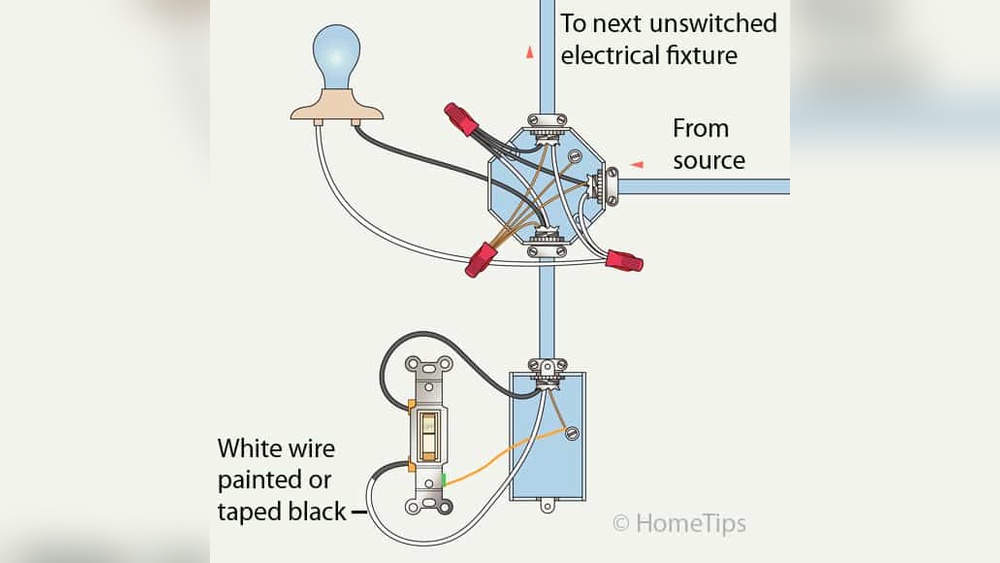
Turn off power before starting any wiring work. Use a voltage tester to confirm power is off. Connect wires to the correct terminals on the switch. Typically, black or red wires go to the switch. White wires usually connect in the box but not to the switch. Secure wire connections with wire nuts. Avoid loose or exposed wires to prevent shorts.
Code Compliance
Follow local electrical codes for safety and legality. Use switches rated for your circuit’s amperage. Most light switches handle 15 or 20 amps. Check the switch label before purchase. Ground wires must be connected to the switch’s green screw. Use proper electrical boxes that fit the switch and wires. Inspect your work to meet code requirements.
When To Call A Professional
Complex wiring or old electrical systems need expert help. If unsure about wiring or code rules, call an electrician. Professional work reduces risk of shocks or fire. They ensure the switch handles the current safely. Investing in a pro saves time and prevents costly repairs.

Credit: www.agrisales-inc.com
Frequently Asked Questions
How Many Amps Does A Standard Light Switch Handle?
A standard light switch typically handles 15 to 20 amps. This rating matches the circuit’s capacity. It ensures safe operation without overheating or failure. Always check the switch’s label for exact amp ratings before installation.
Can A Light Switch Control High-amp Devices Safely?
No, standard light switches are not designed for high-amp devices. High-amp appliances need specialized switches or relays. Using a regular switch risks overheating and damage. Always use switches rated for the specific device’s amperage.
Why Is Amp Rating Important For Light Switches?
The amp rating prevents electrical overload and hazards. It ensures the switch can safely handle the connected load. Using a switch with a lower amp rating than needed can cause failure or fire risks. Always match the switch amp rating with the circuit.
What Happens If A Light Switch Exceeds Its Amp Rating?
Exceeding the amp rating can cause the switch to overheat. This may lead to switch failure or electrical fires. The switch’s internal contacts can melt or wear out quickly. Always use switches within their specified amp limits to ensure safety.
Conclusion
A standard light switch usually handles about 15 to 20 amps. This amount suits most household lights and small appliances. Knowing the amp rating helps keep your home safe. Using the right switch prevents electrical problems and fires. Always check the switch label before installing it.
Simple steps like this protect your wiring and devices. Remember, safety starts with the correct electrical parts. Stay informed and keep your home’s electricity working well.